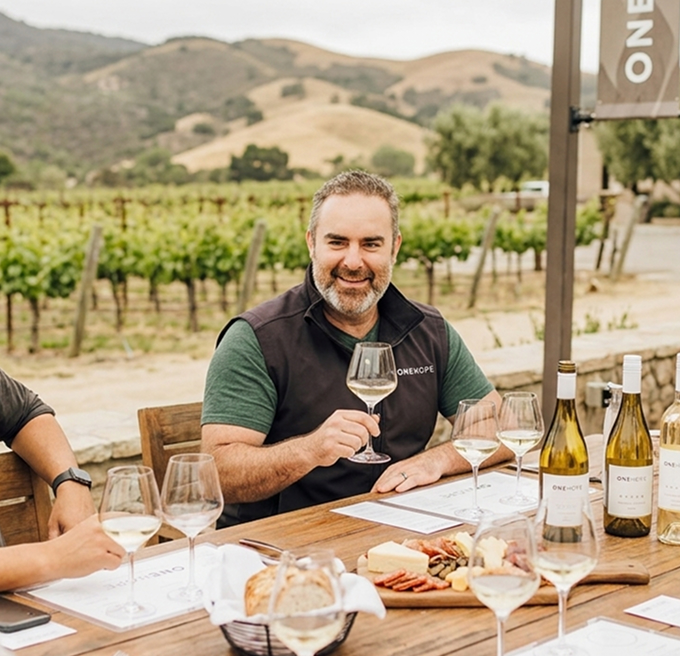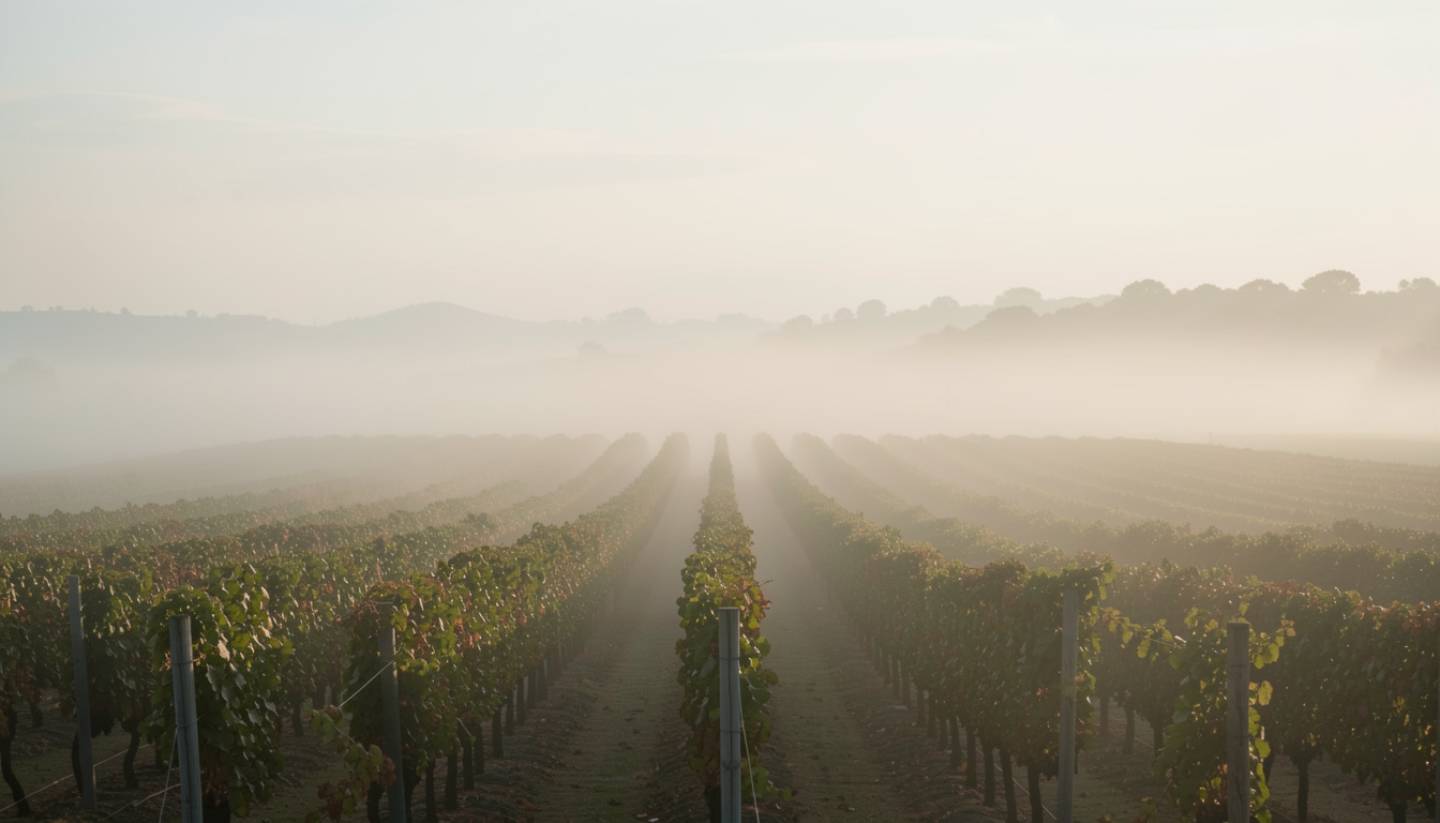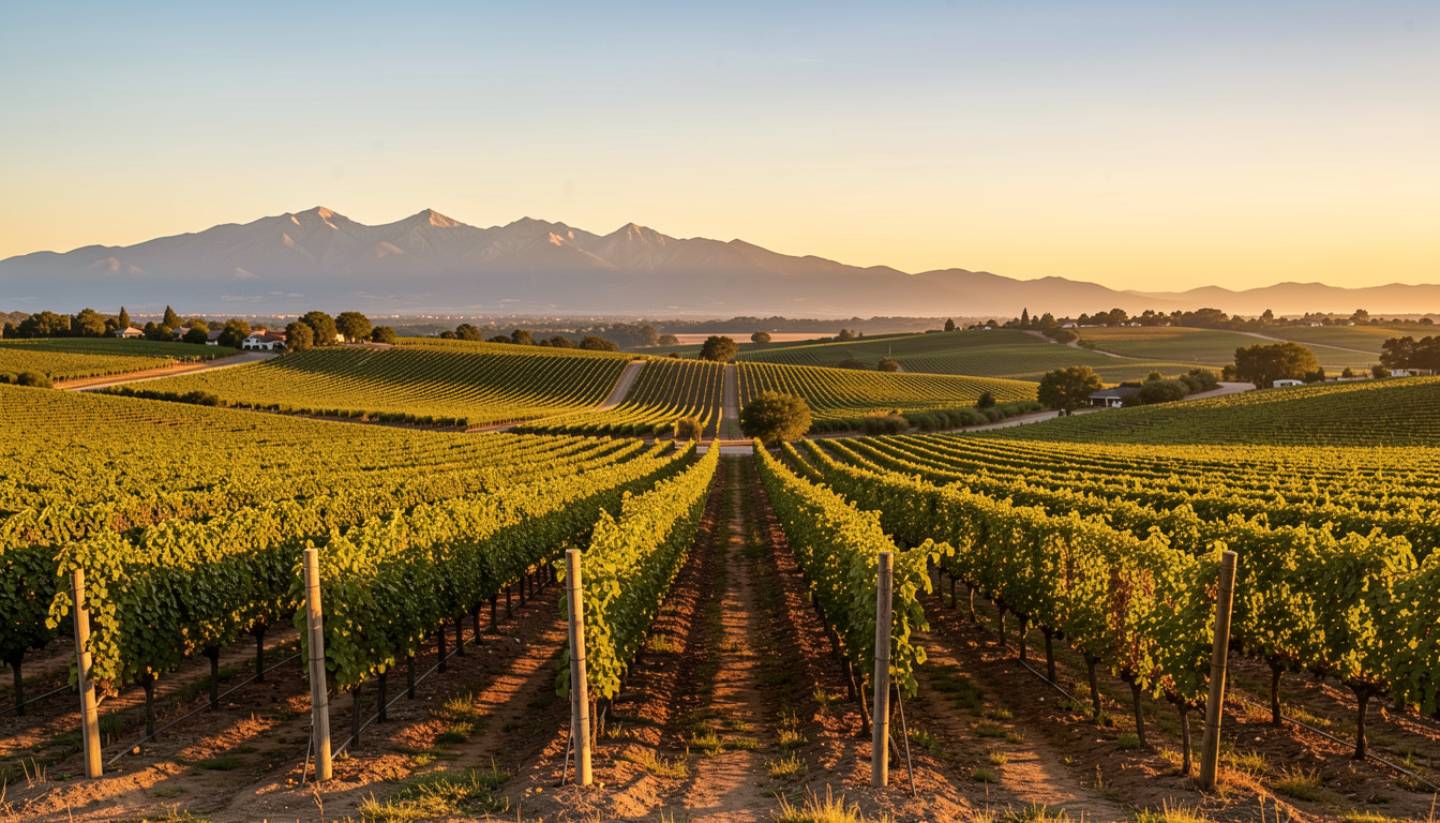
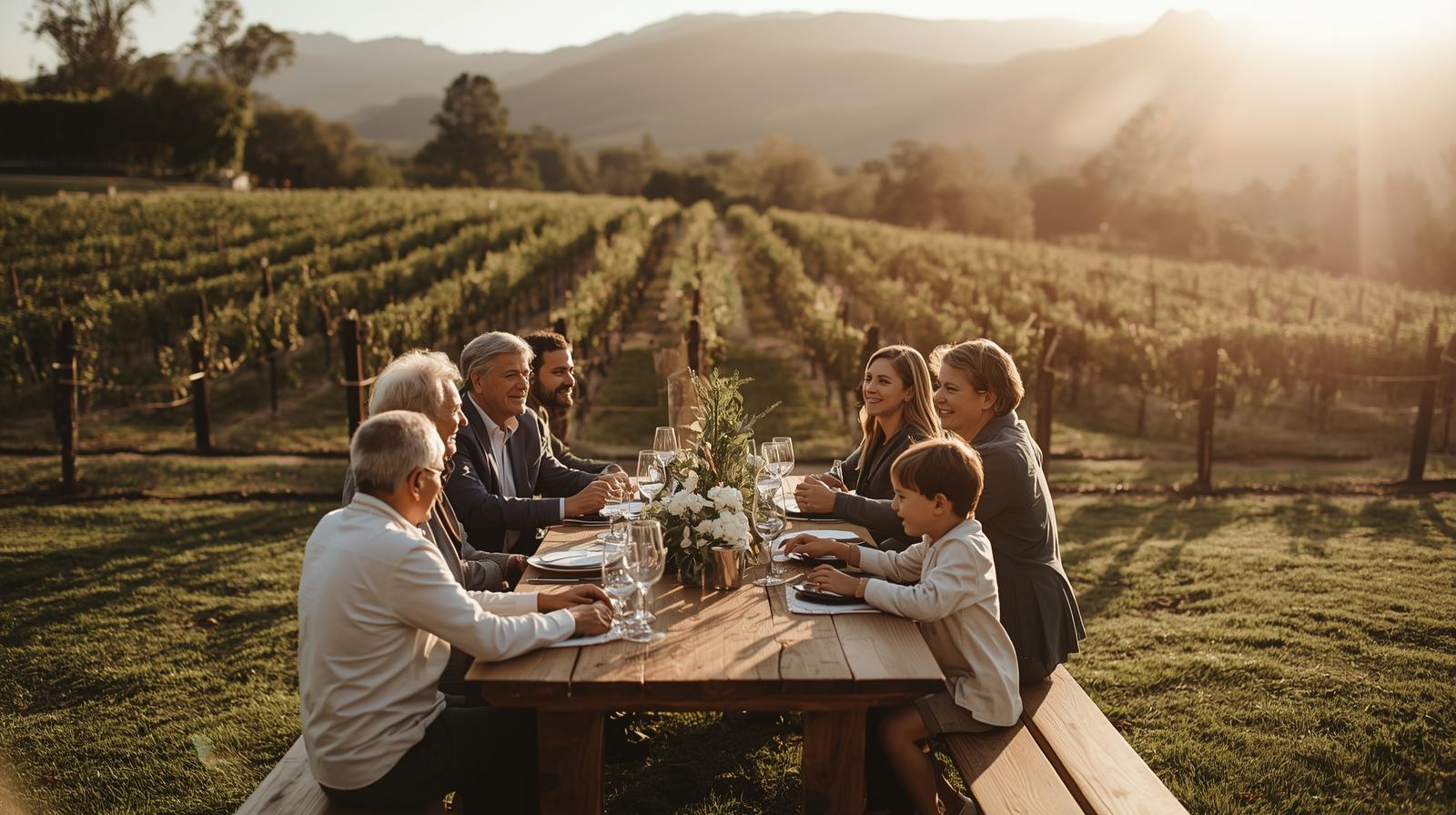
There is something about sitting at a long wooden table with vineyard rows stretching behind you that changes the way stories are told.
The pace slows. Phones drift face down. The air carries that late afternoon warmth that settles over Rutherford and Oakville just before sunset. You can hear glasses touch the table. You can hear someone pause before answering.
In Napa Valley, time is visible.
Vines planted thirty years ago still produce fruit. Stone wineries built before electricity still stand north of St. Helena. Families remain on land their grandparents farmed because the 1968 Agricultural Preserve kept it that way.
If you are hosting a family history Napa gathering or planning a family storytelling retreat Napa style experience, this valley offers more than scenery. It offers continuity. A sensory landscape that helps memory rise naturally.
I grew up here. I now build here. And what I have learned is this: Napa understands multigenerational thinking in a way few places do.
What This Experience Is Really About
A family storytelling retreat Napa is not about production quality. It is about environment.
Place shapes memory.
Recording in a conference room produces one tone. Recording under a valley oak near Silverado Trail produces another. The land itself becomes a prompt.
The valley’s north to south corridor from Carneros to Calistoga keeps travel simple. You can anchor in Yountville or St. Helena and move easily between interview settings, vineyard walks, and shared meals.
Think of it as heritage travel Napa with intention:
- Morning interviews in natural light
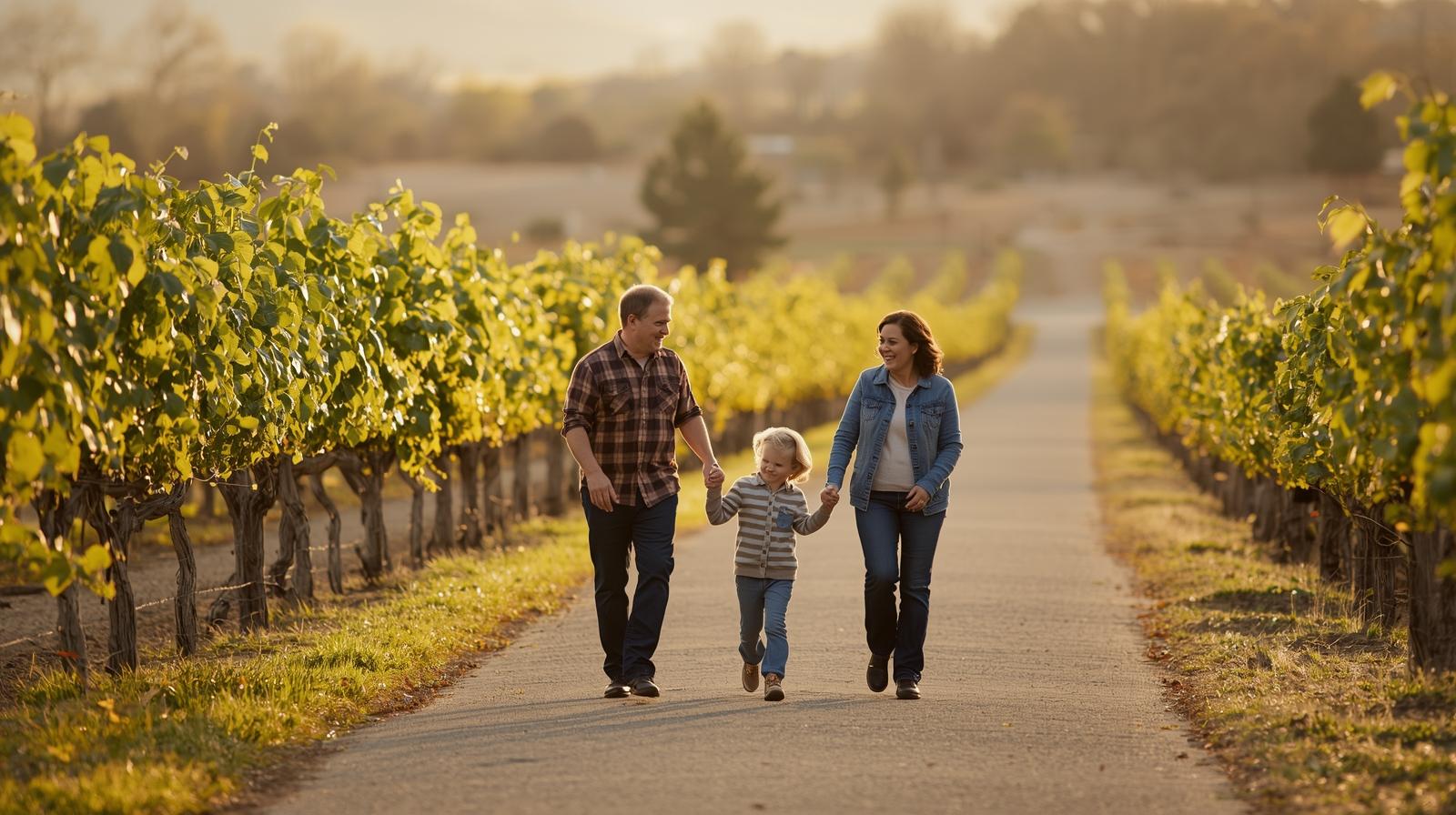
- Midday movement through vineyard rows
- Evening long table dinners where stories surface organically
Napa encourages unhurried conversation.
A Short Personal Story
One Sunday afternoon after harvest, I was driving Silverado Trail near Oakville. Leaves had just started to turn. The crush pads were quiet for the first time in weeks.
An older family friend started talking about Napa in the early 1970s. Dirt roads. Hand watering vines. How Rutherford felt before Cabernet became a global headline.
No one had a recorder out. But that moment should have been captured.
Now when families gather at Estate 8 overlooking the vineyard, I often see something similar unfold. The land loosens memory. I am biased. But vineyard settings invite honesty in a way very few environments do.

Choosing the Right Hub for Your Family History Napa Project
Rutherford and Oakville: The Legacy Backdrop
These mid valley benchlands represent the agricultural core of Napa Valley.
Long vineyard corridors. Western foothills of the Mayacamas. Quiet estate terraces.
Directional cue: Drive Oakville Cross Road at sunset. The light hitting the western hills creates a natural frame for legacy video documentation.
Best for formal interviews and multigenerational portraits.

Yountville: Walkable and Contained
If your group includes children and grandparents, Yountville simplifies everything.
Washington Street offers boutique lodging within walking distance of private dining rooms. You can record in the morning, walk to lunch, and return without loading cars.
Ideal for small group retreat Napa style storytelling projects.
St. Helena: Rooted in Memory
St. Helena feels like a town that remembers itself.
Visit a legacy bakery on Main Street. The smell of bread, the historic architecture, the rhythm of a small agricultural town often unlock sensory memory for elders.
North of town, vineyard roads provide quiet space for reflective conversation.
Calistoga: Relaxed and Reflective
The geothermal hot springs and mud baths in Calistoga create natural decompression.
After a mineral soak, conversations deepen. Record important family stories after relaxation, not before.
Calistoga offers a slower pace that supports generational storytelling.
Integrating Purpose and Legacy
At ONEHOPE, the idea that business can support long term impact has always guided my thinking. I am biased. But legacy is not abstract here. It is planted, pruned, and passed down.
Recording family stories in a place built on generational stewardship adds weight to the experience.
Napa is not just beautiful. It understands continuity.
A Three Day Family Storytelling Retreat Napa Itinerary
Day One: Intention
Afternoon
Arrive in Yountville or St. Helena. Settle into boutique lodging.
Evening
Private opening dinner with guided prompts: childhood homes, first jobs, turning points, family migrations.
Keep recording devices discreet.
Day Two: Recording and Movement
Morning
Formal interviews in Oakville or Rutherford using natural light.
Midday
Lunch in St. Helena or downtown Napa. Capture candid table conversation.
Afternoon
Vineyard walk along Silverado Trail. Physical movement often unlocks deeper stories.
Evening
Optional tasting experience focused on storytelling rather than technical notes.
Day Three: Present and Past
Morning
Group reflection session. Identify themes that surfaced.
Midday
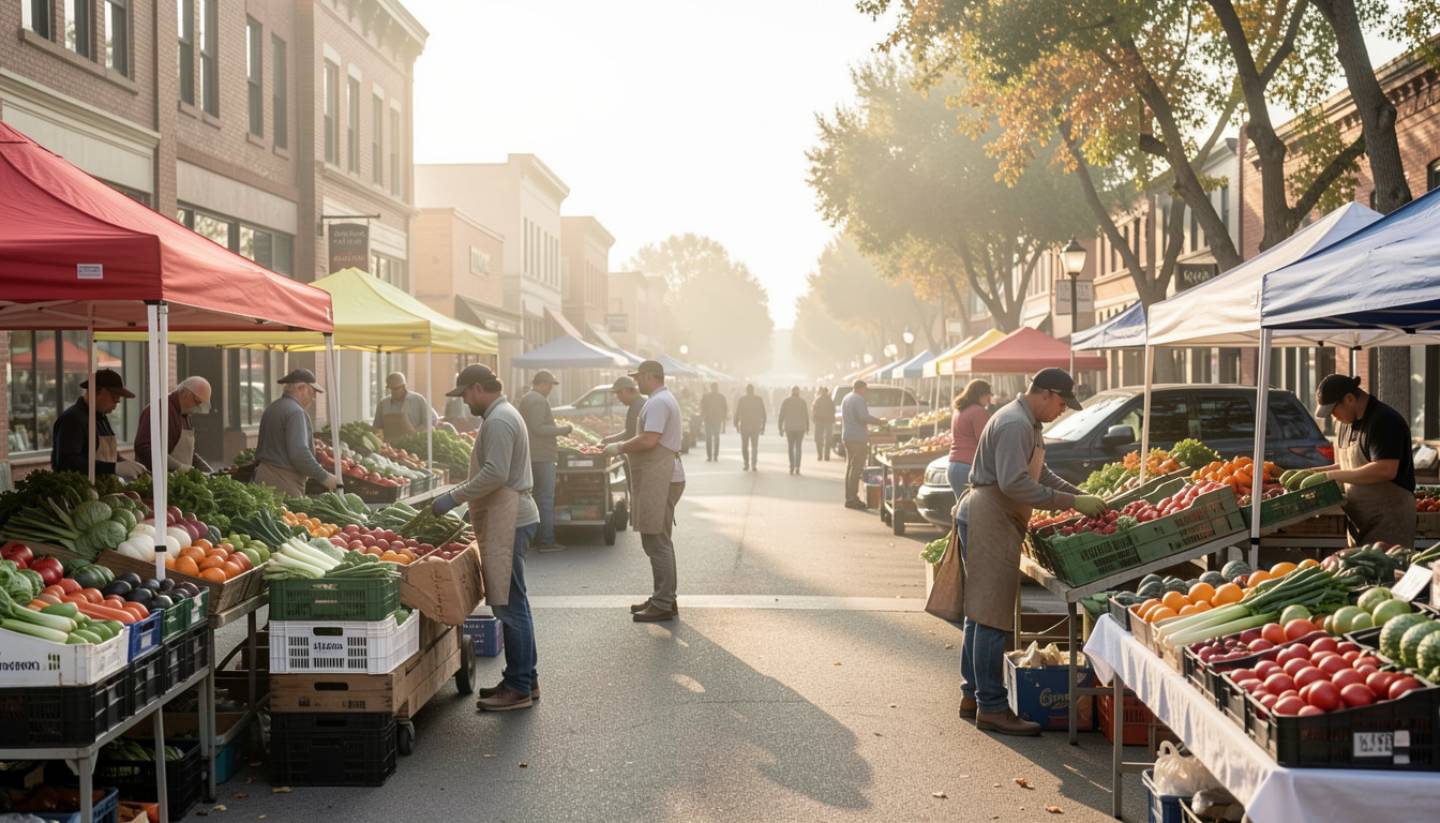
Visit Oxbow Public Market in downtown Napa to record contemporary family moments that contrast with earlier stories.
What Most Families Miss
They overthink equipment and underthink environment.
For a successful family history Napa project:
- Choose midweek dates
- Limit audience during interviews
- Use natural light
- Allow silence
- Let stories unfold organically
The valley does part of the facilitation for you.