Stand in a vineyard in Rutherford during harvest and watch the bins come in from the rows.
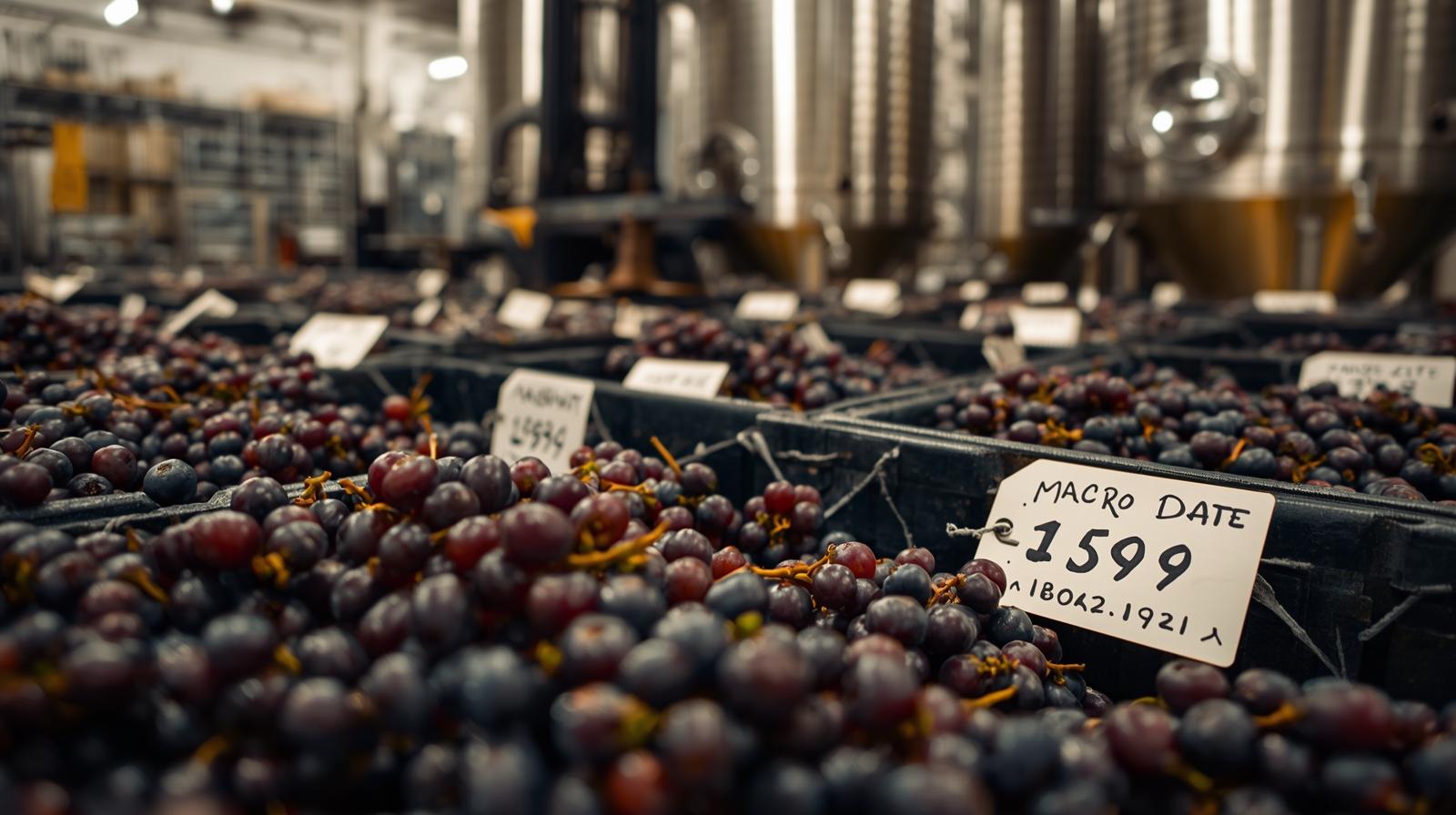
Each macro bin of Cabernet is tagged. Block number. Pick date. Crew lead. Sometimes even the exact hour the fruit came off the vine. The forklift moves slowly across the crush pad, and nothing is casual about it.
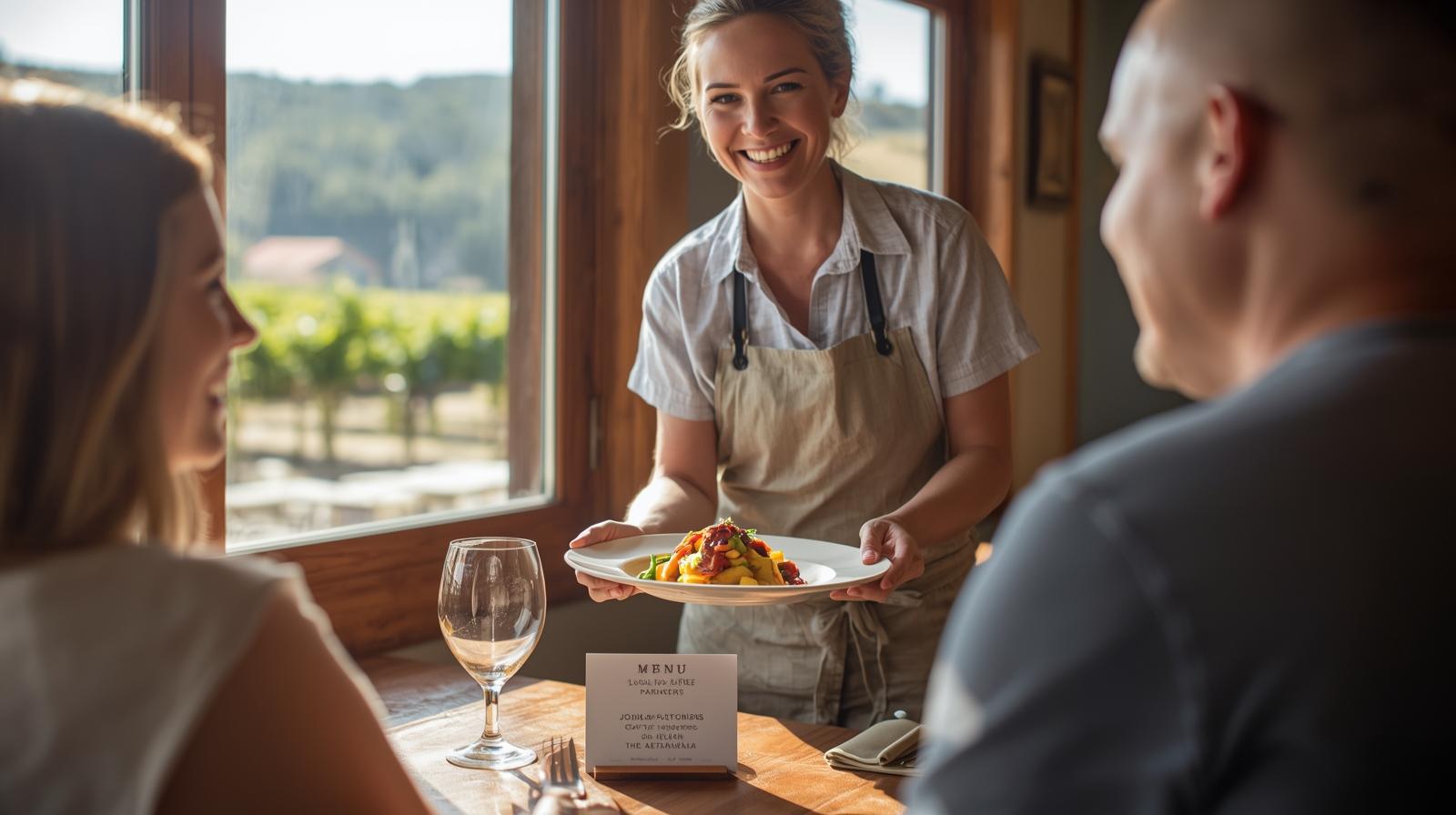
Later that evening, sit down in St. Helena for dinner and ask where the greens were grown or where the lamb was raised.
In Napa Valley, transparency is not a marketing trend. It is infrastructure.
If you are studying ethical supply chain Napa style, this valley offers one of the clearest real world examples of how agriculture, hospitality, and accountability intersect inside a thirty mile corridor from Carneros to Calistoga.
What This Experience Is Really About
Ethical supply chain Napa conversations begin with place of origin.
Unlike broader agricultural regions, Napa Valley is tightly regulated. The 75 percent Napa rule ensures that if Napa Valley appears on a label, the fruit must actually come from Napa County. Sub AVAs such as Oakville, Rutherford, and Howell Mountain require 85 percent sourcing within their boundaries.
That level of labeling discipline protects trust.
Add in the Agricultural Preserve, which prevents farmland from turning into subdivisions, and you have a region structurally committed to agriculture over speculation.
When a restaurant in Yountville lists a local farm, it is often within a short drive. When a winery in Oakville references a single vineyard block, it is documented down to the row.
Food and wine transparency Napa Valley style is visible because the geography is tight and the community is small.
A Short Personal Story
There was a harvest where we faced a sourcing decision that looked efficient on paper but did not sit right in practice.
The easier path would have saved time.
We chose the harder one.
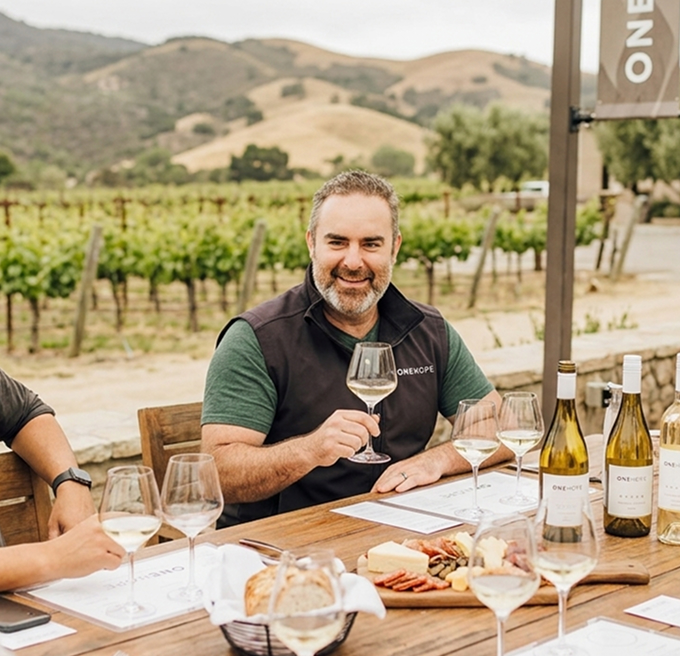
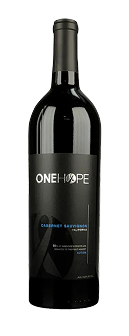
I am biased. I build and host here. But in Napa, your supply chain is your reputation. At Estate 8, when guests ask where a block sits or how fruit was handled during crush, we can walk them through it. Through ONEHOPE, transparency in sourcing and distribution is not optional. It is operational.
In this valley, clarity builds trust faster than marketing ever will.
The Wine Supply Chain: From Vine to Bottle
1. Block Level Traceability
In Oakville and Rutherford, vineyard blocks are mapped precisely.
Wineries track:
- Irrigation cycles
- Canopy management
- Pick decisions
- Fermentation lots
During harvest, fruit from different blocks is often fermented separately. That allows winemakers to maintain integrity in blending decisions and tell a transparent vintage story.
If you visit during crush season along Silverado Trail, you will see fruit weighed, logged, and sorted with care.
2. Sustainable Certifications and Stewardship
Ethical wine production Napa style increasingly includes environmental certifications such as Napa Green.
Visible cues for visitors:
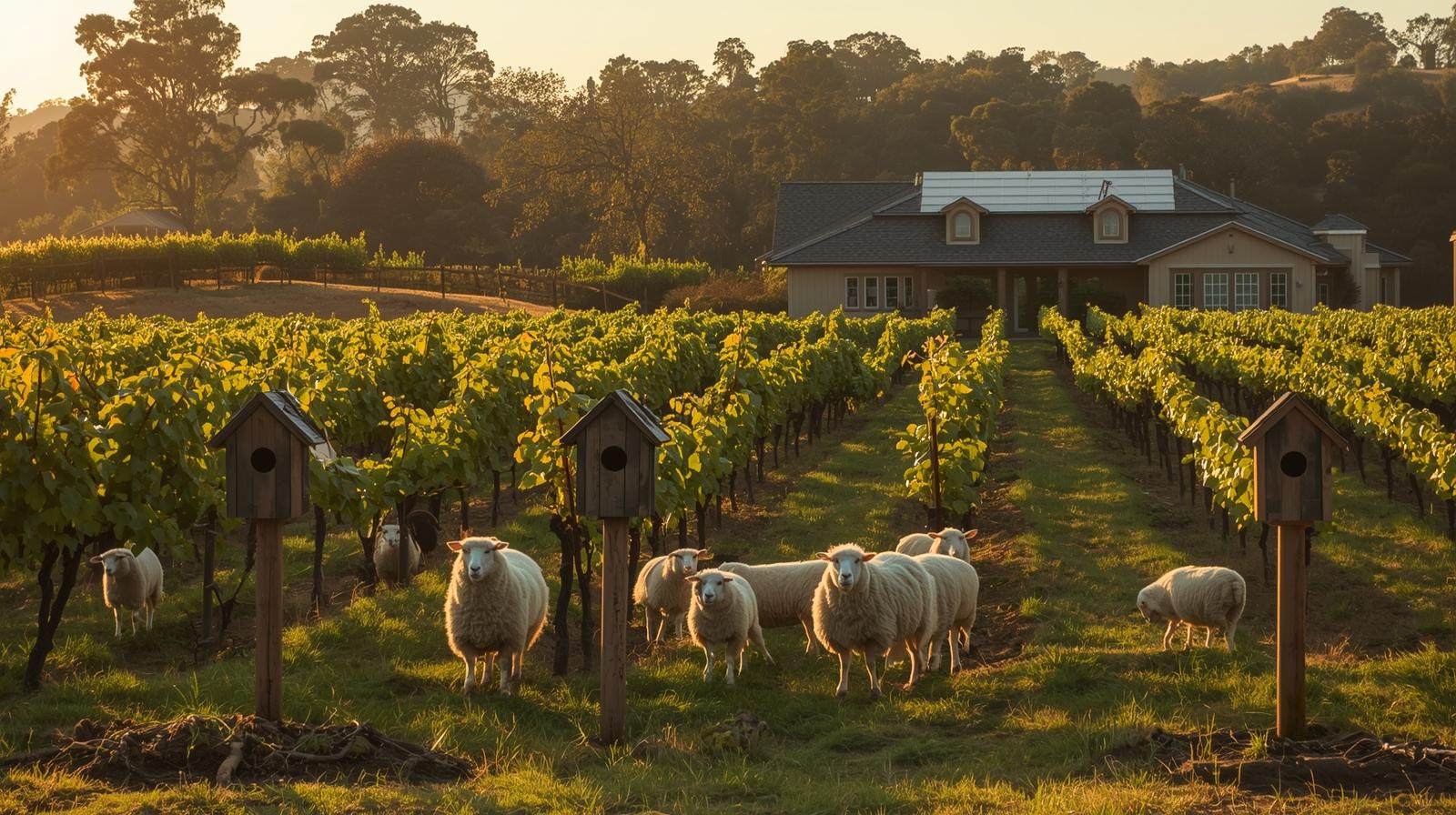
- Sheep grazing between vine rows
- Owl boxes for biological pest control
- Solar panels atop production facilities
- Water recycling systems in the cellar
Ask about process water recycling. Many estates treat cellar wash water and reuse it for irrigation. That matters in a region where water stewardship is critical.

3. Direct to Consumer Transparency
Napa wineries rely heavily on direct to consumer relationships.
This shortens the supply chain and opens conversation. Guests can ask about:
- Vineyard sourcing
- Harvest timing
- Environmental practices
- Pricing structure
There are fewer layers between producer and guest. Transparency becomes personal.
The Culinary Chain: From Farm to Table
St. Helena: Vertical Integration
St. Helena remains the agricultural backbone of the valley.
Restaurants such as Farmstead at Long Meadow Ranch exemplify vertical integration. Cattle, orchards, vineyards, and gardens are connected.
When you sit down to eat, you are often tasting something grown nearby.
Vineyard to table Napa dining is not theoretical here.
Yountville: Refined Local Sourcing
Along Washington Street in Yountville, high end restaurants frequently highlight regional farms on their menus.
Season dictates offerings:
- Tomatoes and stone fruit in late summer
- Citrus and brassicas in winter
- Mustard greens during mustard season
The ethical supply chain Napa model depends on seasonality and flexibility.
Downtown Napa: Oxbow and the Artisan Loop
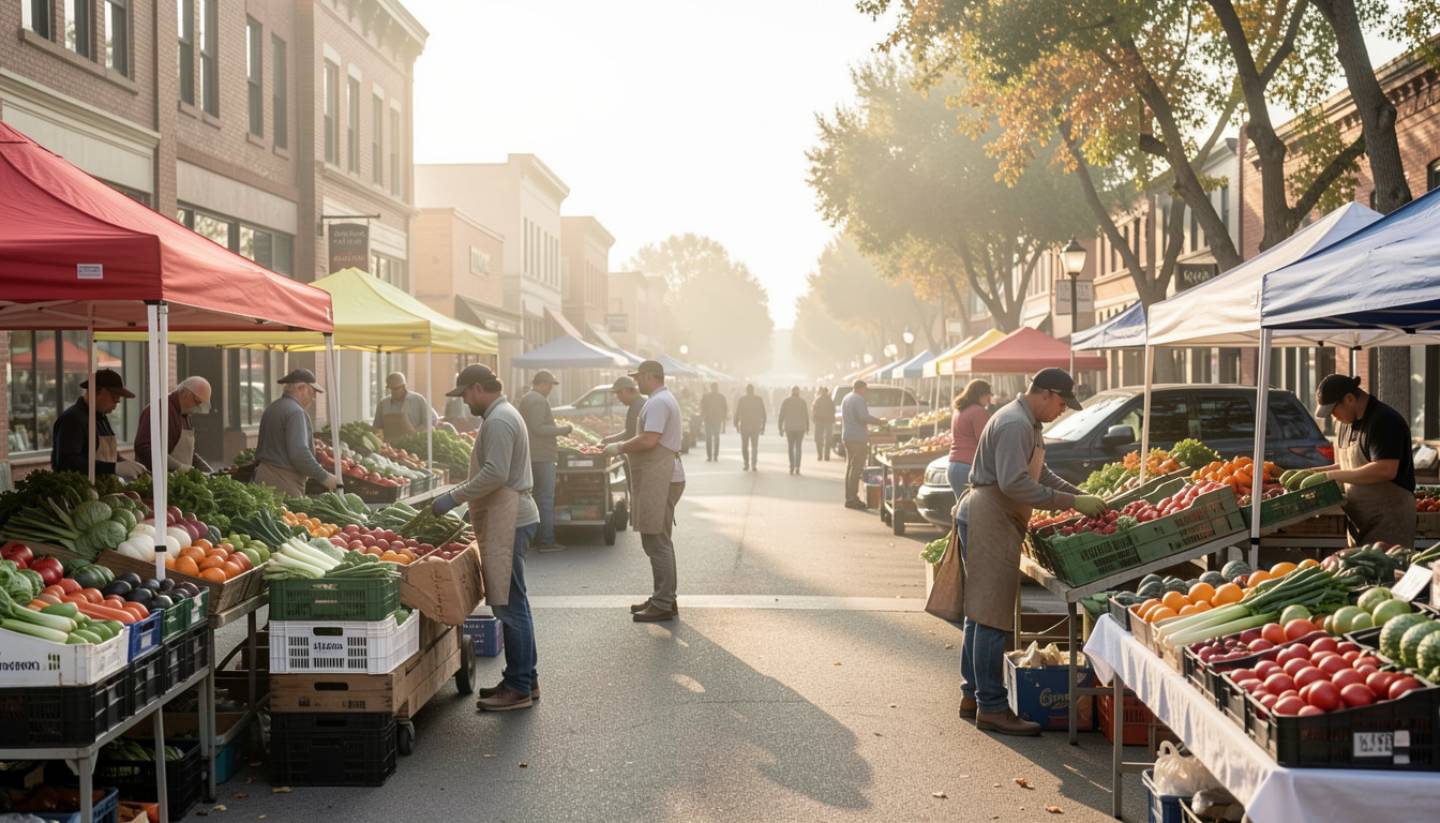
Oxbow Public Market provides a clear look at small scale supply chains.
Here you can meet:
- Olive oil producers
- Charcuterie makers
- Specialty mustard artisans
- Bakers using natural fermentation
The distance between maker and consumer is short.
Labor and Human Ethics
Ethical supply chain Napa also includes labor.
Harvest crews, cellar teams, hospitality staff. Their work is the foundation of the system.
Visitors curious about supply chain ethics can ask:
- How does the winery support seasonal workers?
- What sustainability programs are in place?
- How does the restaurant source from local farms?
In Napa, those are appropriate questions.
An Ethical Supply Chain Napa Itinerary
One Day
Morning
Visit a Napa Green certified winery in Rutherford. Ask about block traceability and water management.
Midday
Lunch in St. Helena at a ranch integrated restaurant.
Afternoon
Tour a production facility along Silverado Trail to understand fermentation lot tracking.
Evening
Dinner in Yountville focusing on seasonal sourcing transparency.
Weekend Deep Dive
Day One
Oakville AVA sourcing discussion.
Downtown Napa visit to Oxbow Public Market for artisan producer conversations.
Day Two
Carneros vineyard visit to understand cool climate farming.
Hillside estate conversation about erosion control and watershed protection.
Layer policy, production, and hospitality into one narrative.