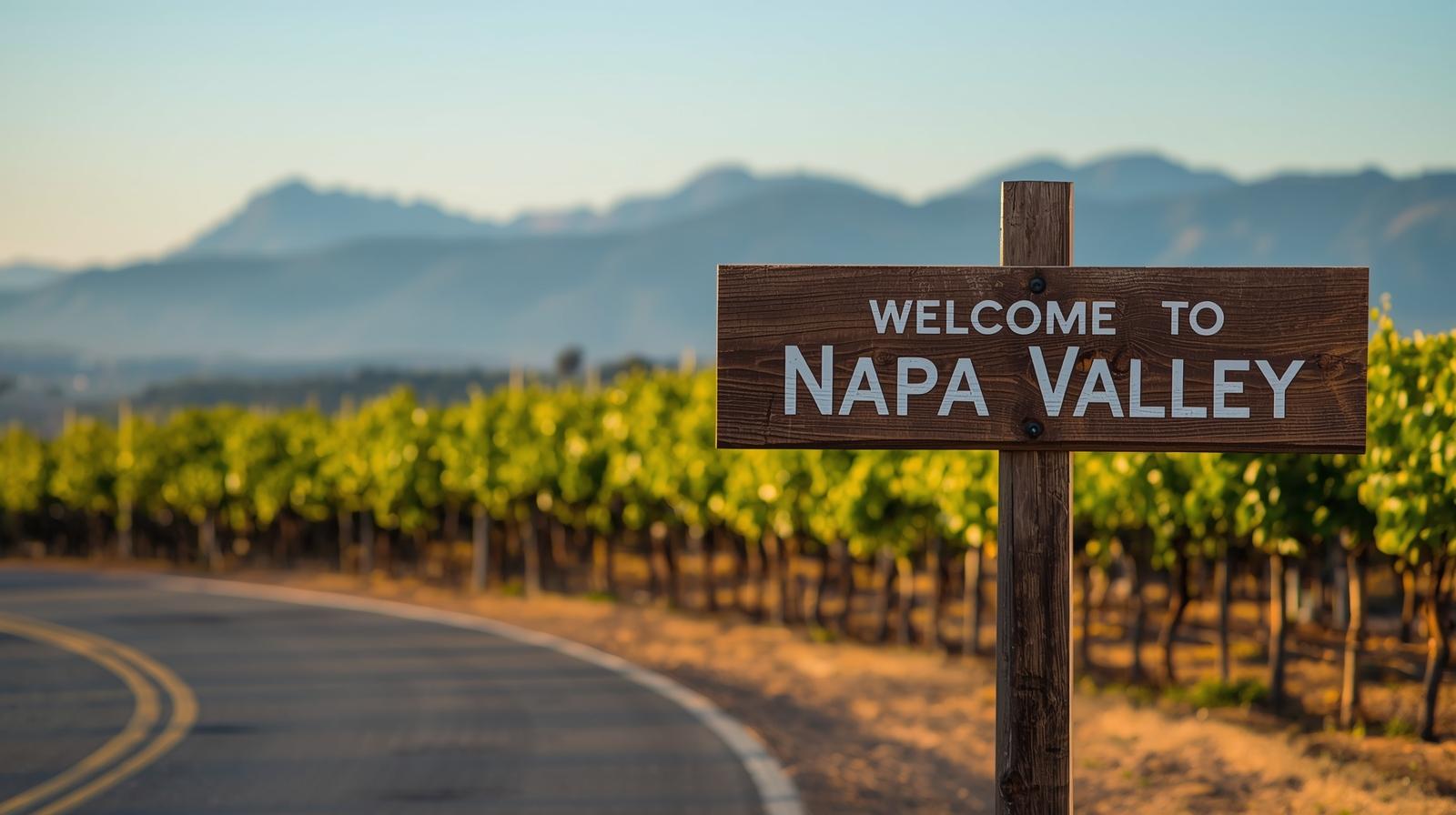
Drive north on Highway 29 past Yountville and into Oakville and you will see it on weathered wooden signs and stone gates alike.
Napa Valley.
Those two words are not casual. They are protected.
Behind every bottle labeled Napa Valley is a framework of wine law Napa producers live with daily. Where grapes are grown. How labels are written. What percentage must come from which soil. Even what can and cannot be built on a hillside above Rutherford.
If you are exploring Napa Valley appellation law, this place is not just a wine destination. It is one of the most disciplined regulatory wine regions in the world.
And that discipline is visible from the road.
What This Experience Is Really About
Wine law Napa is about protecting identity over convenience.
In 1968, when Napa was still more orchards and cattle than luxury tasting rooms, local leaders created the Napa Valley Agricultural Preserve. It restricted non agricultural development and established large minimum parcel sizes.
That decision prevented suburban sprawl between Carneros and Calistoga. It forced capital to remain agricultural.
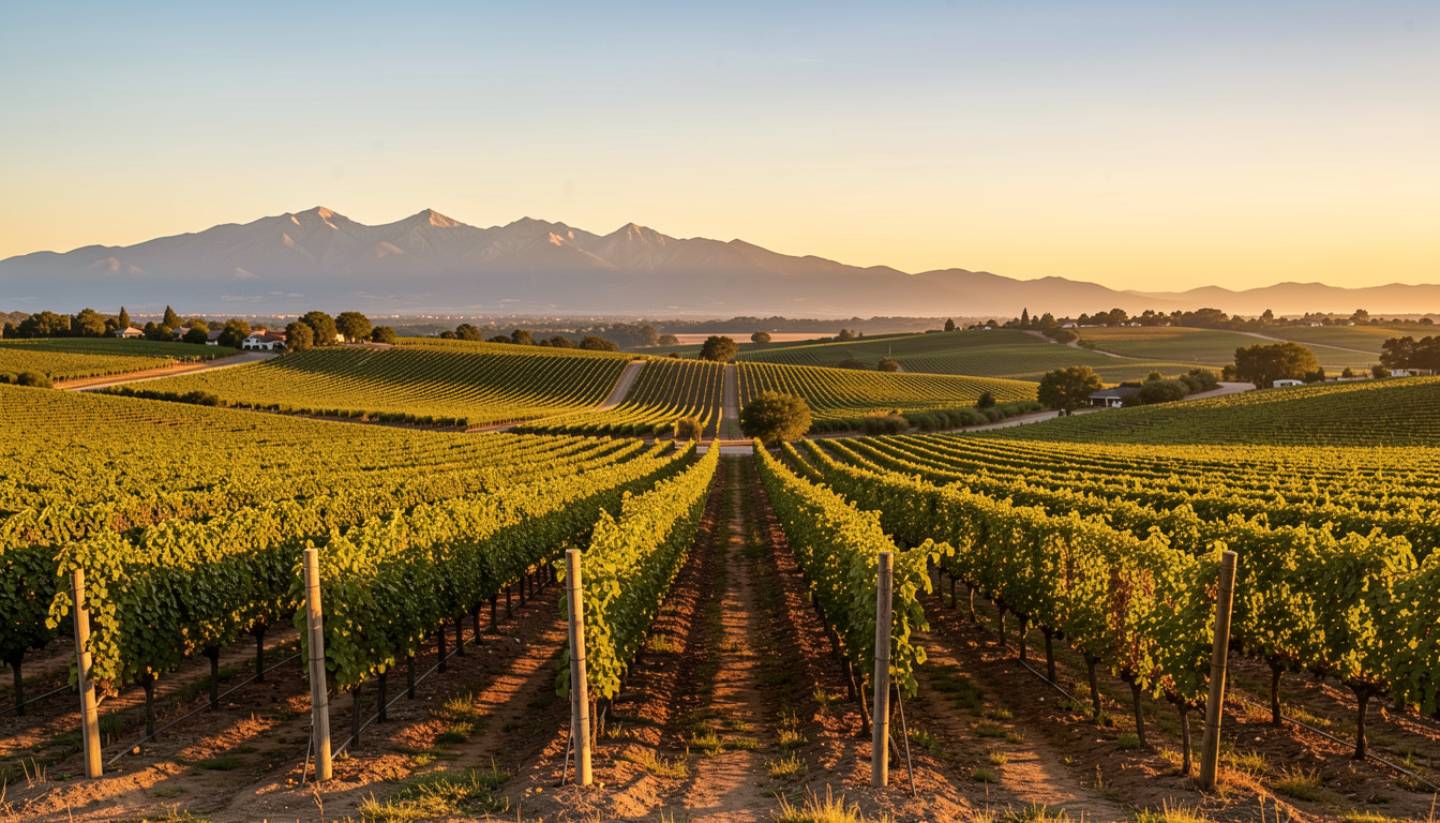
When you drive Silverado Trail today and see uninterrupted vineyard blocks instead of strip malls, you are looking at policy in action.
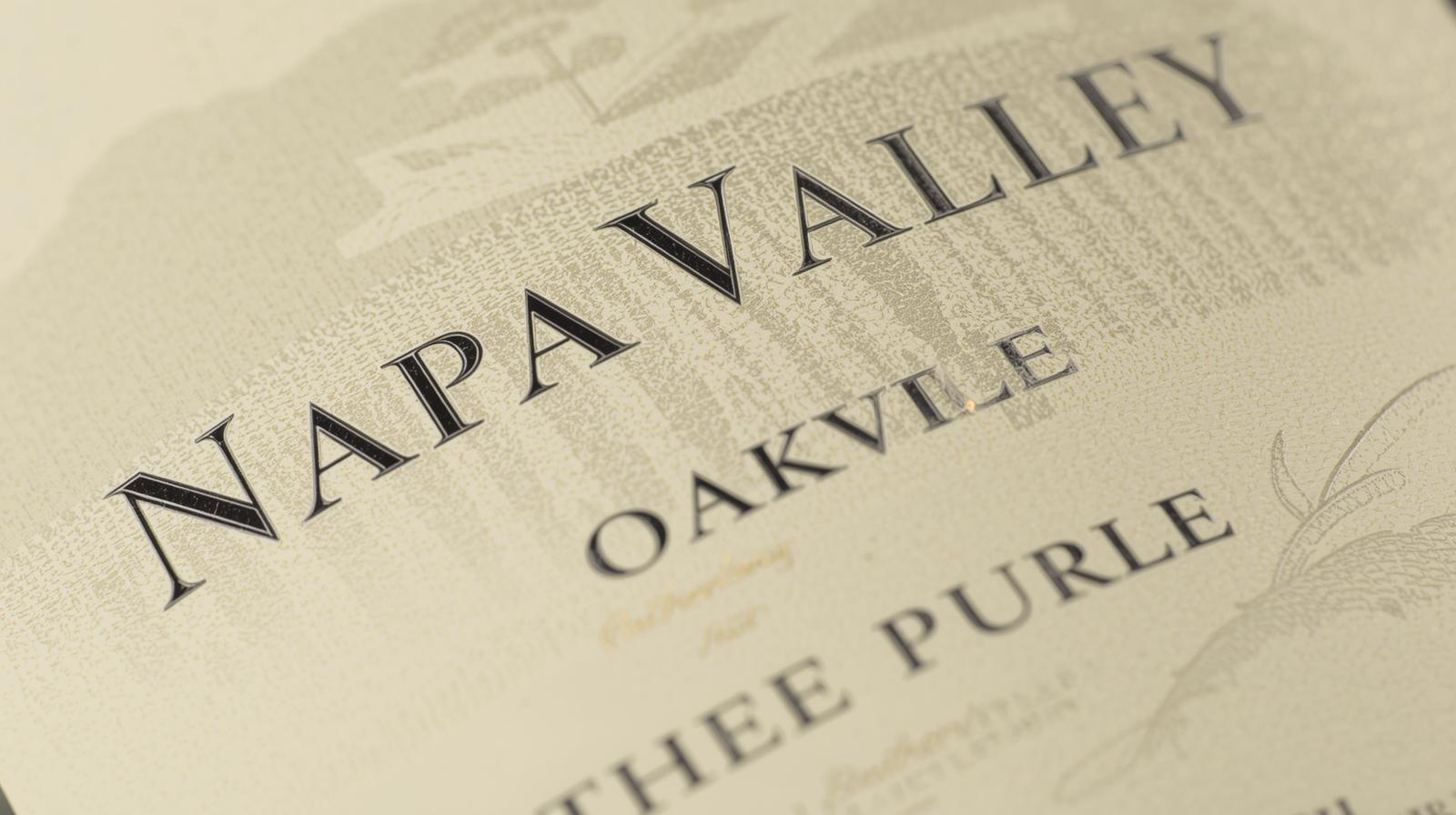
AVA regulations Napa style add precision. An American Viticultural Area defines a specific geographic boundary based on climate, soil, and elevation. Oakville is not the same as Rutherford. Howell Mountain is not the same as St. Helena. And legally, those distinctions matter.
Policy protects place.
A Short Personal Story
I remember a long conversation in a Rutherford vineyard where we were not discussing tannin structure or barrel toast.
We were discussing parcel boundaries.
It was not glamorous, but it was foundational.
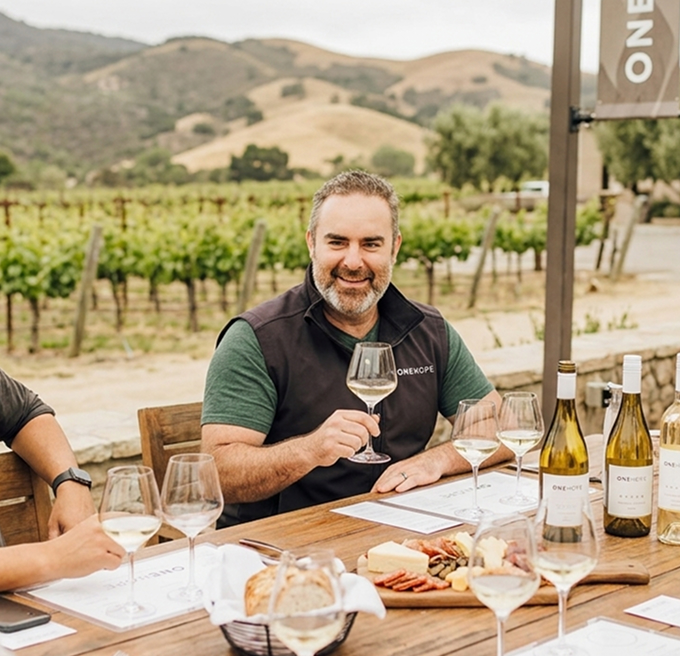
I am biased. I build and host here. The reason Estate 8 sits among vines rather than townhomes is because previous generations chose restraint over short term gain. The Agricultural Preserve is not theory. It is visible from every tasting terrace.
At ONEHOPE, when we think about sourcing and labeling, we are mindful that Napa is not just a brand. It is a regulated identity that must be honored.
Wine law Napa conversations often begin in boardrooms. But they end in the dirt.
The Legal Pillars of Napa Valley
1. The 1968 Agricultural Preserve
The Napa Valley Agricultural Preserve is often referred to as the genesis of modern Napa.
It restricts development in designated agricultural zones and enforces minimum parcel sizes. This policy:
- Preserves open space
- Protects vineyard acreage
- Maintains rural character
- Reinforces long term land value
Visitors often ask why there are no housing tracts between Yountville and St. Helena. The answer is law.


2. The 75 Percent Napa Labeling Rule
Under California law, if a wine label states Napa Valley, at least 75 percent of the grapes must come from Napa County.
This protects against brand dilution.
A winery cannot source mostly from outside the region and casually use the Napa name. That discipline safeguards trust for collectors and travelers alike.
3. AVA Regulations Napa and the 85 Percent Rule
To use a specific AVA such as Oakville, Rutherford, or Howell Mountain, at least 85 percent of the fruit must originate within that defined boundary.
This ensures that when you taste an Oakville Cabernet in Yountville or St. Helena, it reflects Oakville soil and climate.
Napa currently contains sixteen sub AVAs. Each is legally defined.
AVA differences Napa visitors notice in the glass are grounded in federal regulation.
4. Conjunctive Labeling
In Napa, if a winery uses a sub appellation such as Stags Leap District, the label must also include Napa Valley.
This conjunctive labeling rule strengthens the parent brand while honoring sub regional identity.
It is a strategic balance between specificity and global recognition.
5. Hillside and Environmental Ordinances
Drive toward Atlas Peak or Spring Mountain and notice how carefully vineyards are planted.
Hillside development is regulated to protect:
- Watersheds
- Erosion control
- Tree preservation
- Fire resilience
The Water Deficient Ordinance and related environmental policies limit excessive grading and planting on steep slopes.
Wine law Napa extends beyond labeling into environmental stewardship.
Observing Wine Law as a Visitor
If you are traveling to Napa Valley with a regulatory lens, here is how to experience policy firsthand:
- Visit an Oakville estate and ask where the AVA boundary line runs. Some properties straddle two legal zones.
- Compare a Rutherford Cabernet to one from Howell Mountain. Notice how geography is codified in law.
- Walk through Downtown Napa near the County administrative buildings and understand where land use decisions are made.
- Drive Silverado Trail and recognize preserved farmland as a product of the Agricultural Preserve.
Policy shapes your itinerary more than you realize.
A Wine Law Focused Napa Itinerary
One Day
Morning
Educational tasting in Rutherford. Ask about the 75 percent Napa rule and sourcing transparency.
Midday
Lunch in Yountville. Observe how vineyard adjacency remains intact due to zoning.
Afternoon
Drive up to Howell Mountain or Atlas Peak to understand hillside regulations.Evening
Downtown Napa stroll and discussion of civic governance that protects the valley’s identity.
Weekend Deep Dive
Day One
Oakville and Rutherford AVA comparison tasting.
Conversation about conjunctive labeling and appellation hierarchy.
Day Two
Hillside estate visit above the fog line.
Explore policy implications for environmental permitting and fire mitigation.
Layer geography, wine, and regulation together.