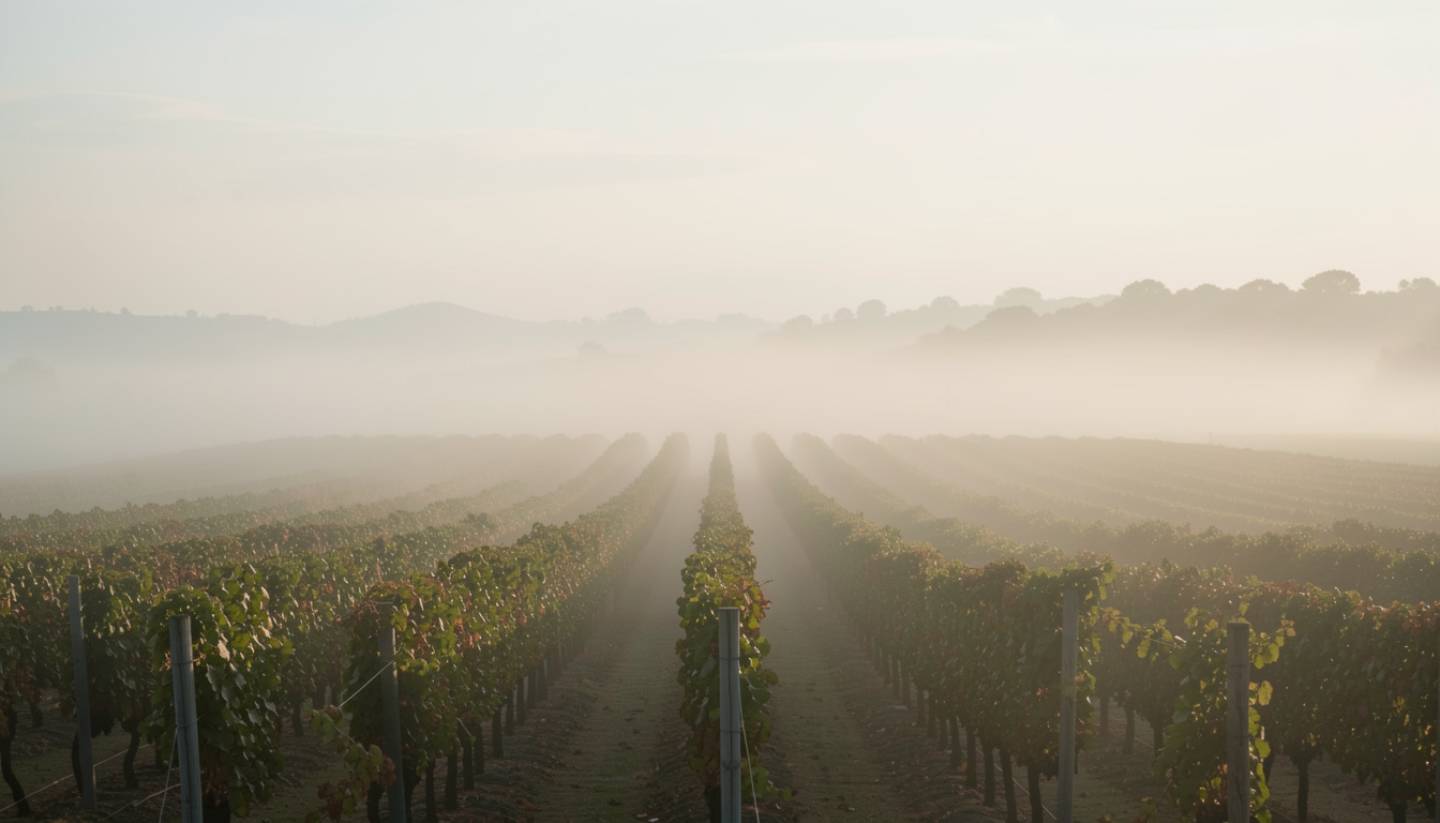
Drive Silverado Trail before sunrise in late September and you will understand something most visitors never see.
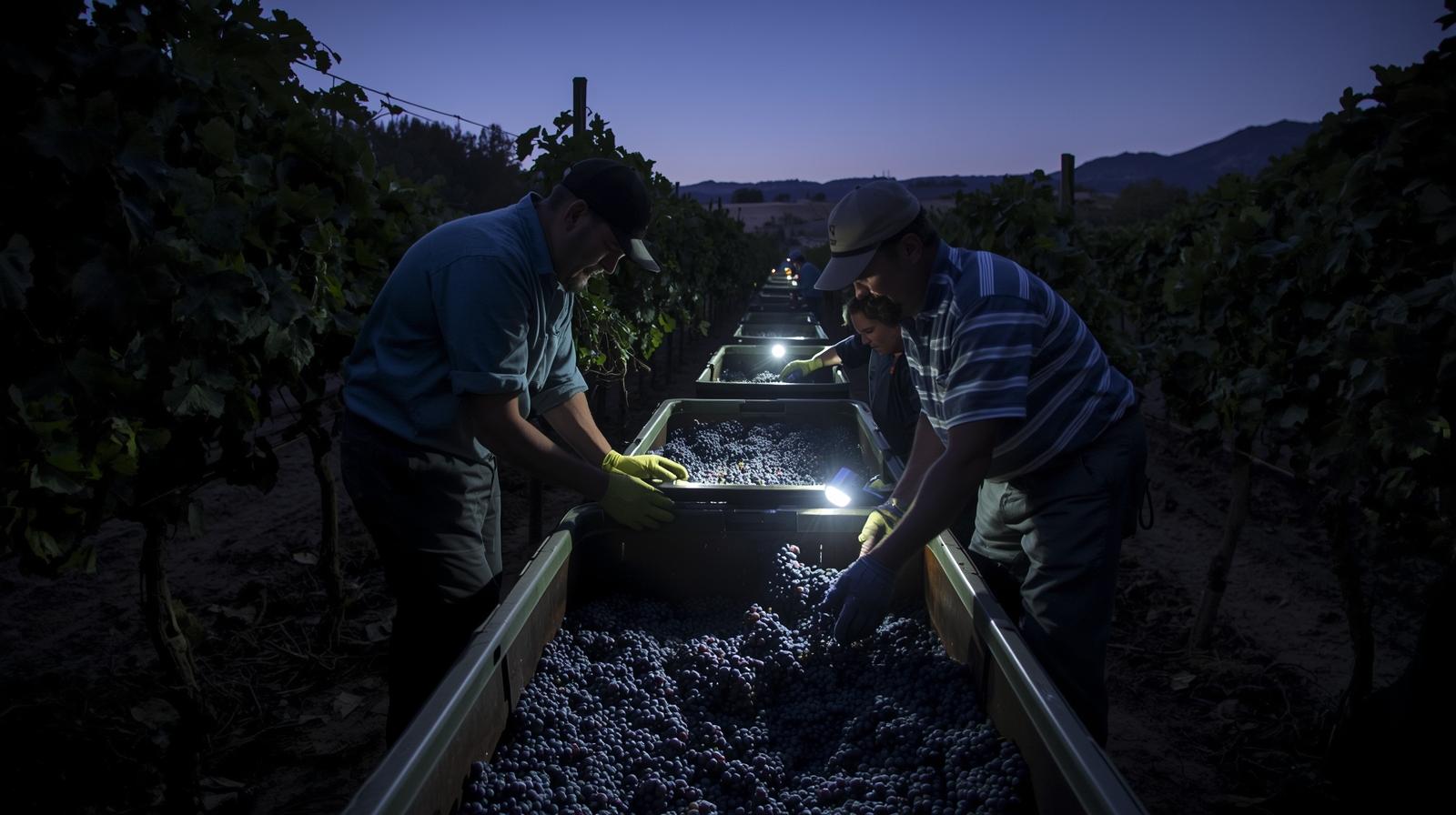
Headlights line the vineyard edges between Oakville Cross Road and Rutherford. Flatbed trucks idle quietly. Headlamps move row by row through Cabernet blocks on the benchlands. Spanish carries across the vines in low, focused conversation.
Before the first espresso is pulled in downtown Napa.
Before tasting rooms open in Yountville.
Before golden hour makes the valley photogenic.
Harvest workers are already deep into their shift.
Napa Valley harvest culture is not a seasonal accessory. It is the engine behind every vintage.
If you want to understand harvest workers Napa depends on, you have to start in the dark.
What This Experience Is Really About
Wine harvest culture Napa Valley style is physical, technical, and deeply relational.
Harvest workers Napa wineries rely on are specialists. They know which rows on the western Rutherford bench hold heat. They know which Oakville blocks ripen evenly after a mild September. They can feel phenolic ripeness long before lab numbers confirm it.
Crush season Napa compresses twelve months of agricultural risk into six to eight intense weeks.
Sleep shortens. Radios stay on. Cellars run around the clock.
The workforce includes:
- Pickers cutting fruit by hand
- Tractor operators navigating tight rows
- Crush pad teams sorting and destemming
- Cellar hands managing pump overs and fermentation caps
- Lab technicians monitoring Brix, pH, and temperature
Behind every polished tasting in St. Helena is a team that started work hours before dawn.
A Short Personal Story
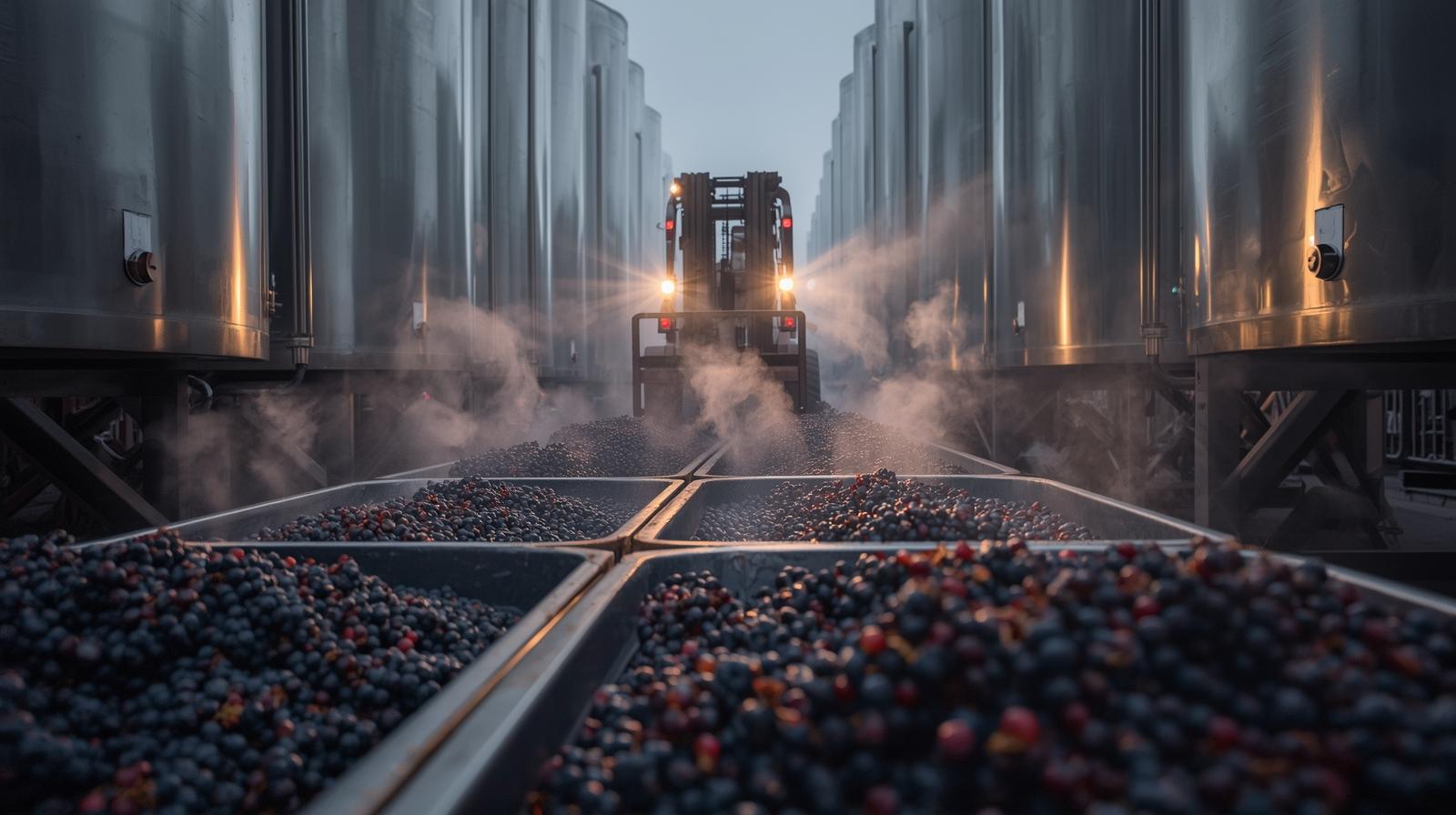
One harvest morning in St. Helena, I was on a crush pad at 3:45 a.m. The air was sharp. The valley quiet except for forklifts and low conversation.
A crew leader who had worked that vineyard longer than I had been in the business picked up a cluster, tasted it, and simply nodded.
“Tonight was right.”
No speech. No drama.
Just confidence built over decades.
I build here. I host here. I am biased. But I have learned that the integrity of a winery shows up first in how it respects its harvest team.
At Estate 8, when fruit arrives, we pause. Not for performance. For acknowledgment. Every vintage begins with people.
The Geography of Harvest: A South to North Wave
Harvest in Napa Valley moves like a slow current from Carneros to Calistoga.
Carneros: The Early Start
South near Highway 12 and the marshlands of San Pablo Bay, Carneros often begins harvest in August.
Cool mornings preserve acidity in Chardonnay and Pinot Noir. Crews work quickly between fog and rising sun.
Rutherford and Oakville: Cabernet Territory
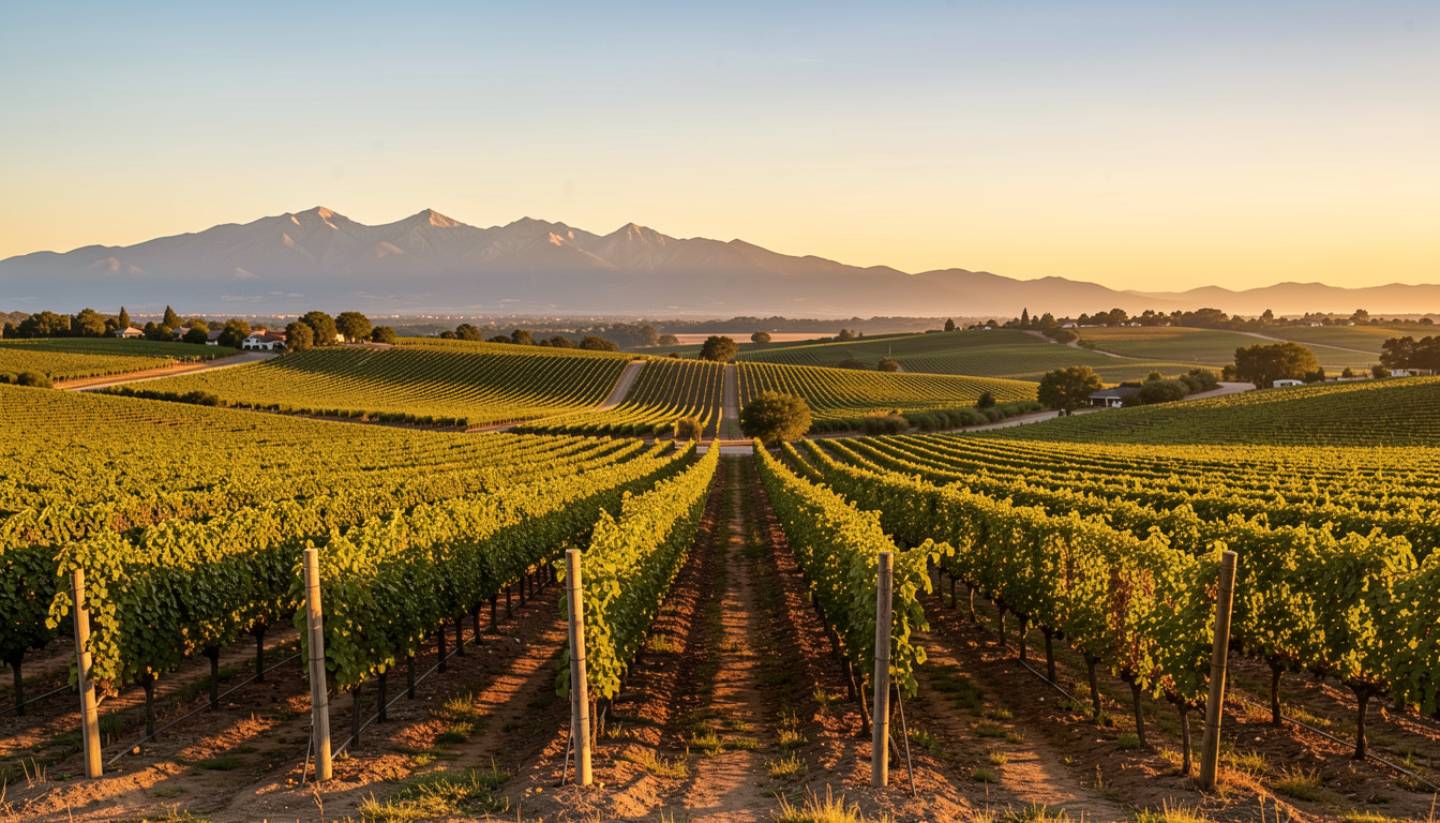
By late September, the mid valley benchlands come alive.
Night picking is common here. Grapes harvested in cool temperatures arrive at the crush pad stable and intact. You will see activity near Oakville Cross Road and increased truck traffic along Silverado Trail.
Cabernet harvest is patient. Decisions are made with taste as much as lab data.
St. Helena and Calistoga: The Final Push
Further north, warmer daytime temperatures extend ripening. Harvest in Calistoga can push into October.
The pace intensifies. Weather shifts matter. Crews adjust quickly.
This is where stamina meets precision.
The Human Infrastructure of Crush Season Napa
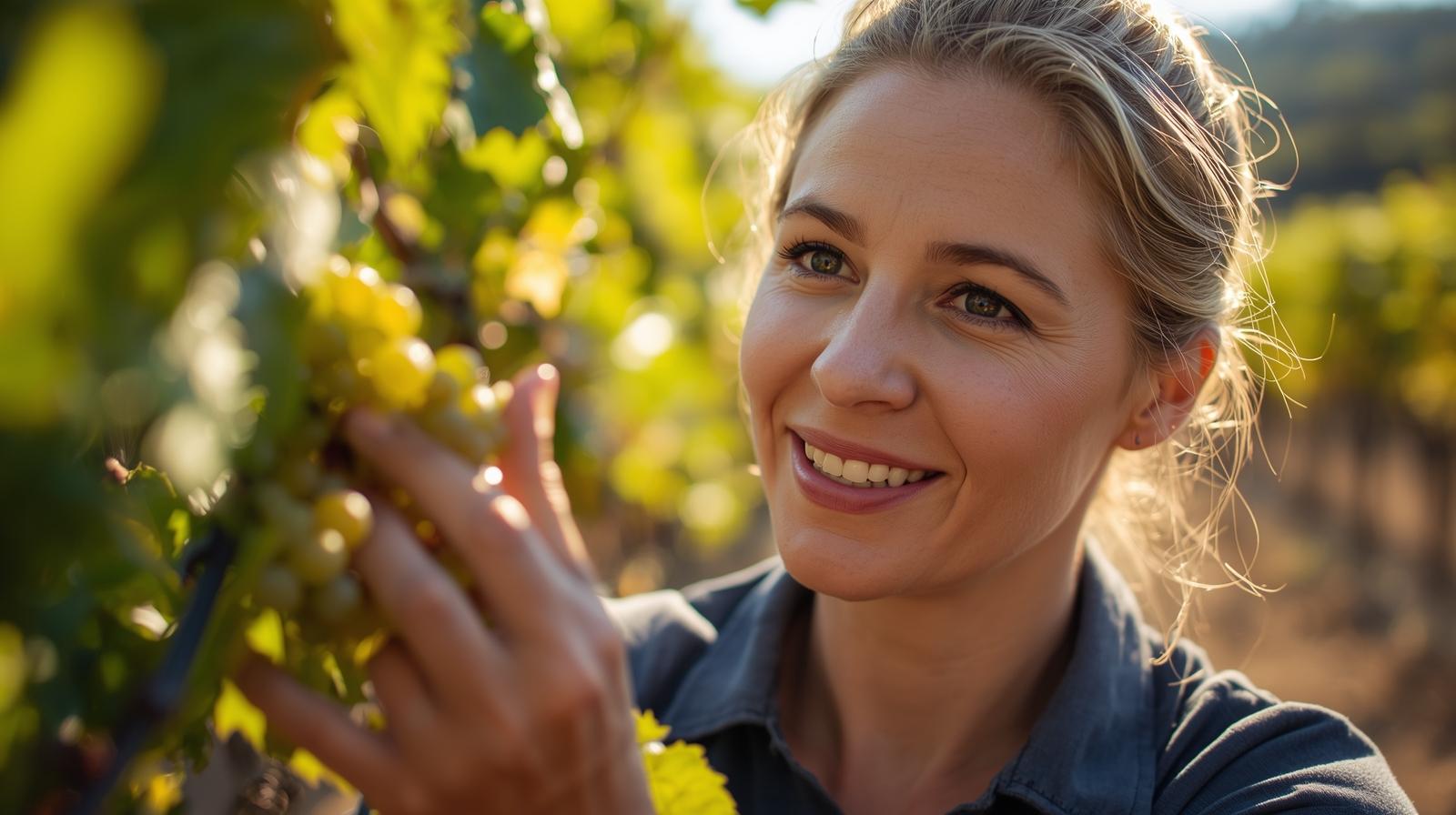
Seasonal labor Napa relies on is layered and bilingual.
Spanish language radio plays quietly in trucks and on break tables, sharing weather updates and community news. Many vineyard teams have worked together for years. Some for decades.
Behind the scenes:
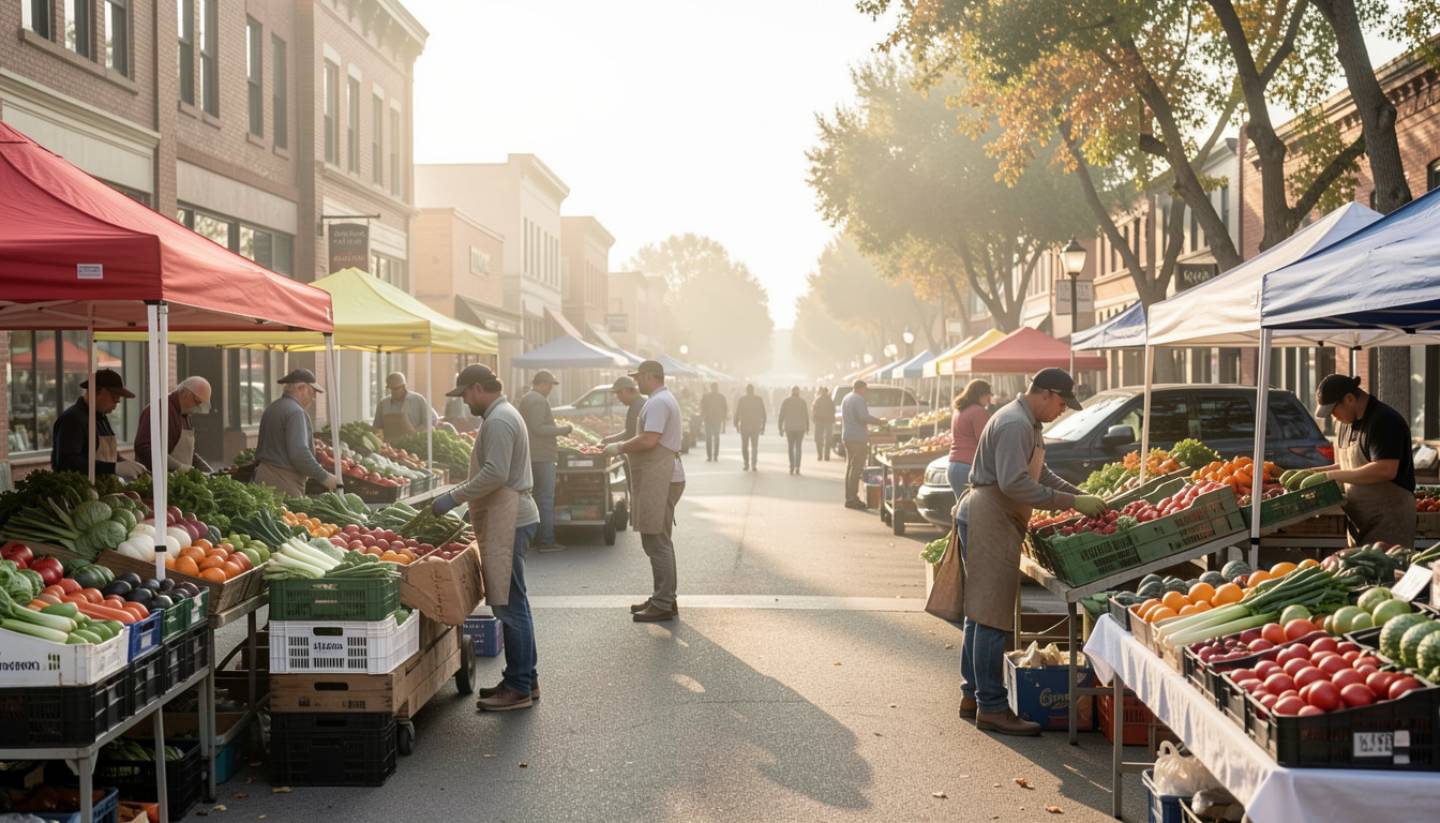
- Oxbow vendors prepare for increased winery foot traffic.
- Hotels in Yountville adjust schedules around late night cellar teams.
- Restaurants in downtown Napa serve meals to crews finishing long shifts.
Harvest is not isolated to vineyards. It ripples through the entire Napa Valley ecosystem.
What Most Visitors Miss
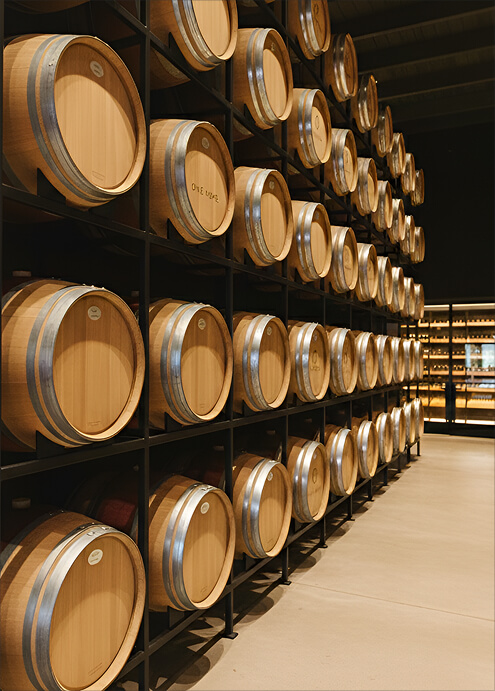
Visitors see barrels and glasses.
They rarely see:
- The sorting table under floodlights
- The long hours of pump overs
- The careful stacking of macro bins
- The coordination required to move fruit from Atlas Peak to a valley floor facility
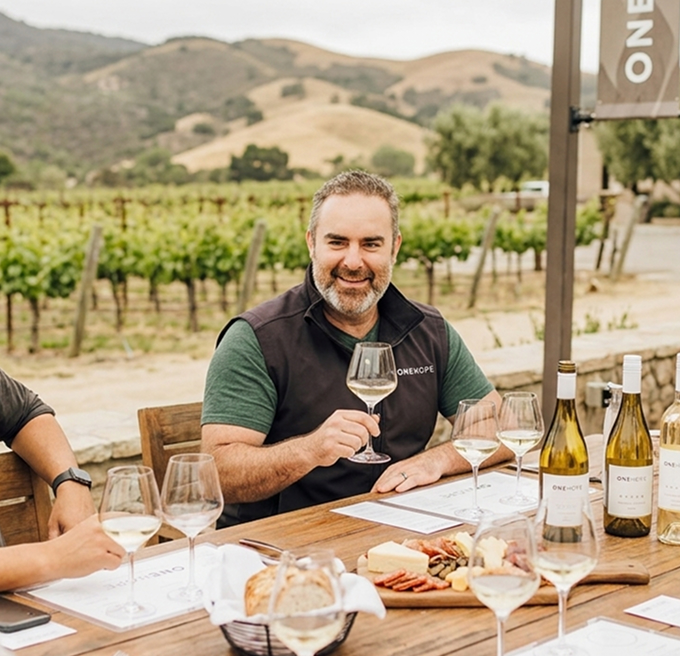
If you are traveling during Napa Valley harvest season, ask your host about the crew. Ask how long they have worked together. Ask what makes this year different from the last.
Respect deepens the experience.
Harvest Focused Napa Itinerary
One Day
Early Morning
Drive Silverado Trail between Oakville and Rutherford just after sunrise. Observe vineyard activity from the road.
Midday
Book a production tour in St. Helena or Oakville. Request insight into crush logistics.
Lunch
Dine in Yountville and notice how menus reflect harvest abundance.
Evening
Visit a winery offering harvest focused experiences. Ask about picking decisions and night harvesting.
Weekend Deep Dive
Day One
Carneros vineyard during early harvest.
Downtown Napa walk to observe increased logistics activity.
Day Two
Rutherford or Oakville Cabernet harvest observation.
Calistoga winery discussion about late season ripeness.
Midweek visits provide more meaningful access to production teams.