
For music lovers coming over from Contra Costa, Napa evenings carry a familiar rhythm. Not arena loud. Not background quiet. Just close enough to feel the wood of the stage, the shift of a foot before a chorus, the breath between notes.
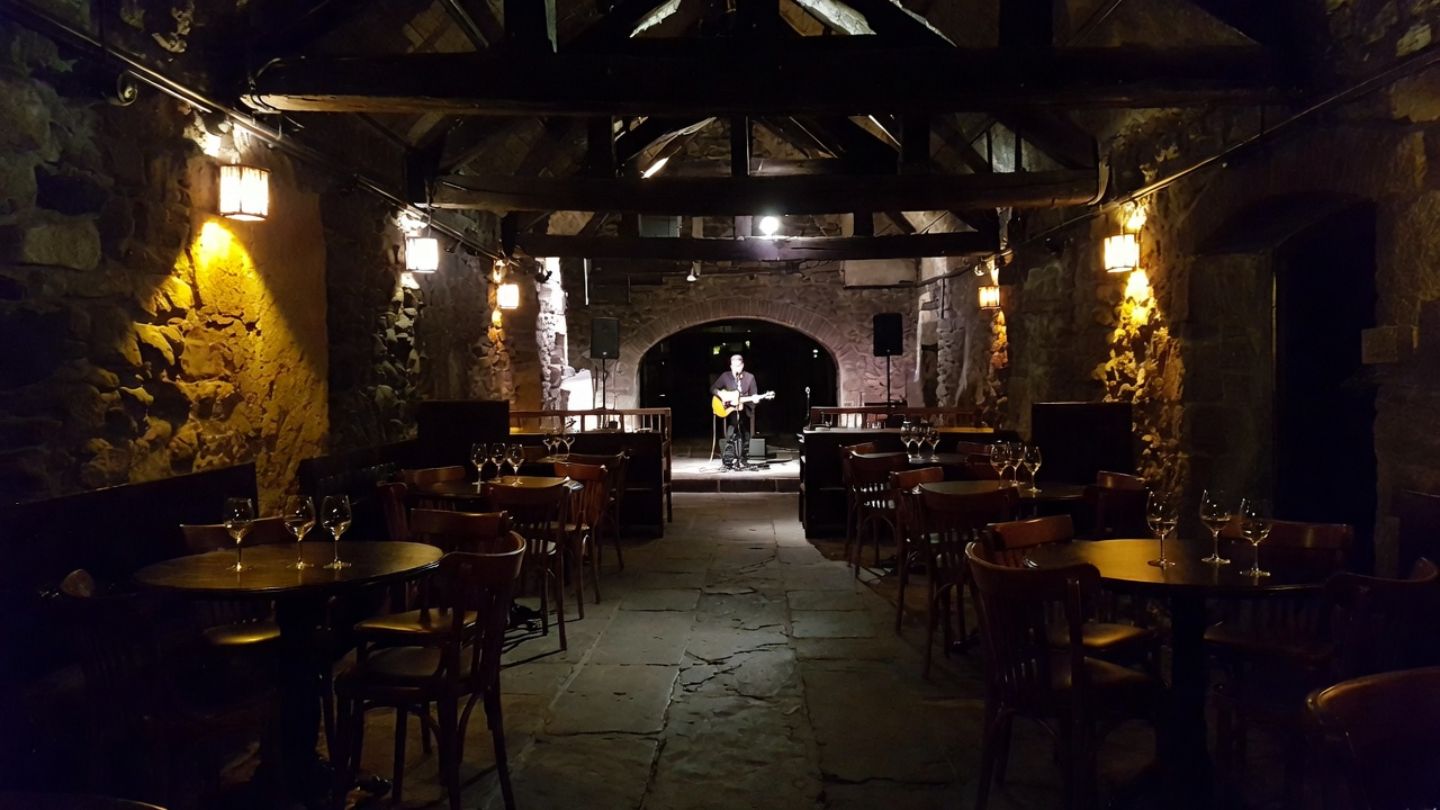
Napa does live music differently than the East Bay. Fewer massive venues, more intentional rooms. Courtyards where acoustic guitars drift into the vines. Converted stone buildings where sound settles naturally instead of bouncing back at you. This is a valley built for listening, not spectacle.
This guide is for Contra Costa travelers who plan nights around live sound, who care about musicianship more than volume, and who see Napa as a place where music fits naturally into dinner, wine, and conversation.
What This Experience Is Really About
This is live music without the noise floor. No shouting over speakers. No packed standing rooms. Napa music culture values proximity and tone.
Music lovers who feel at home here tend to appreciate:
- Small venues where the artist feels part of the room
- Acoustic or lightly amplified sets that reward listening
- Seating designed for settling in rather than cycling crowds
- Pairing music with food and wine instead of separating the experiences
In Napa, music is rarely the only reason you are there. It is part of a longer evening that unfolds at its own pace.
Where the Music Lives
Downtown Napa
This is the core of the scene. Between the riverfront and Main Street, you will find jazz clubs, listening rooms, theaters, and wine bars hosting both local musicians and touring artists.
Local cue: The stretch near the Oxbow and Opera House holds the highest concentration of consistent live programming.
Yountville
More restrained and intentional. Piano forward lounges, vocal jazz, and seasonal unplugged sets often tied to hospitality spaces.
Directional cue: Park once near Washington Street and walk. Sound carries softly through town at night.
South Napa and Carneros
This is where music meets landscape. Seasonal sunset series at wineries feel less like performances and more like shared evenings.
Seasonal note: These outdoor sets shine from late spring through early fall and disappear once the valley settles into its dormant season.
When It Is Best
Late spring through early fall offers the most variety, especially for outdoor shows. Summer brings frequency, but midweek nights stay more relaxed. Winter is quieter and more intimate, with indoor rooms feeling warmer and more focused.
For Contra Costa travelers, leaving by mid afternoon avoids the Highway 4 and I 80 merge and keeps the evening from feeling rushed.
What Most Visitors Miss
Many visitors assume Napa goes quiet once tasting rooms close. Locals know that the valley finds its voice after dinner.
The best shows are rarely the loudest or most advertised. They happen in cellar rooms, historic buildings, and spaces with natural acoustics where listening matters more than production.
[elementor-template id=”6068″]
A Short Personal Memory
Some of my favorite Napa nights have ended with music instead of dessert. Sitting close enough to see fingers on strings, the room quiet enough to hear a musician breathe before the next verse. Those evenings taught me that hospitality is often about restraint. When nothing competes for attention, connection shows up on its own.
How to Plan a Music Focused Napa Night from Contra Costa
- Beat the bottleneck: Leave the East Bay by 3:00 pm to avoid the Highway 4 and I 80 slowdown.
- Dinner first: Book a 6:00 pm dinner within walking distance of the venue. In Napa, food and music work best together.
- Watch local calendars: Smaller acoustic sets and winery pop ups are often announced only days in advance.
Stay the night: If the show is north of Napa town, a nearby boutique inn makes the evening feel complete.
A Note on Wine, Sound, and Purpose
I will admit a little bias. ONEHOPE Winery and Estate 8 were shaped around the belief that gatherings matter most when they feel intentional. Music plays a role in that. The right song at the right volume can change the way people show up for each other. In Napa, when music is done well, it does not compete with conversation. It deepens it.