Joining a wine club in Napa Valley should never feel like an impulse decision made at the end of a tasting. It should feel thoughtful and personal, more like choosing a place you plan to return to as the seasons shift.
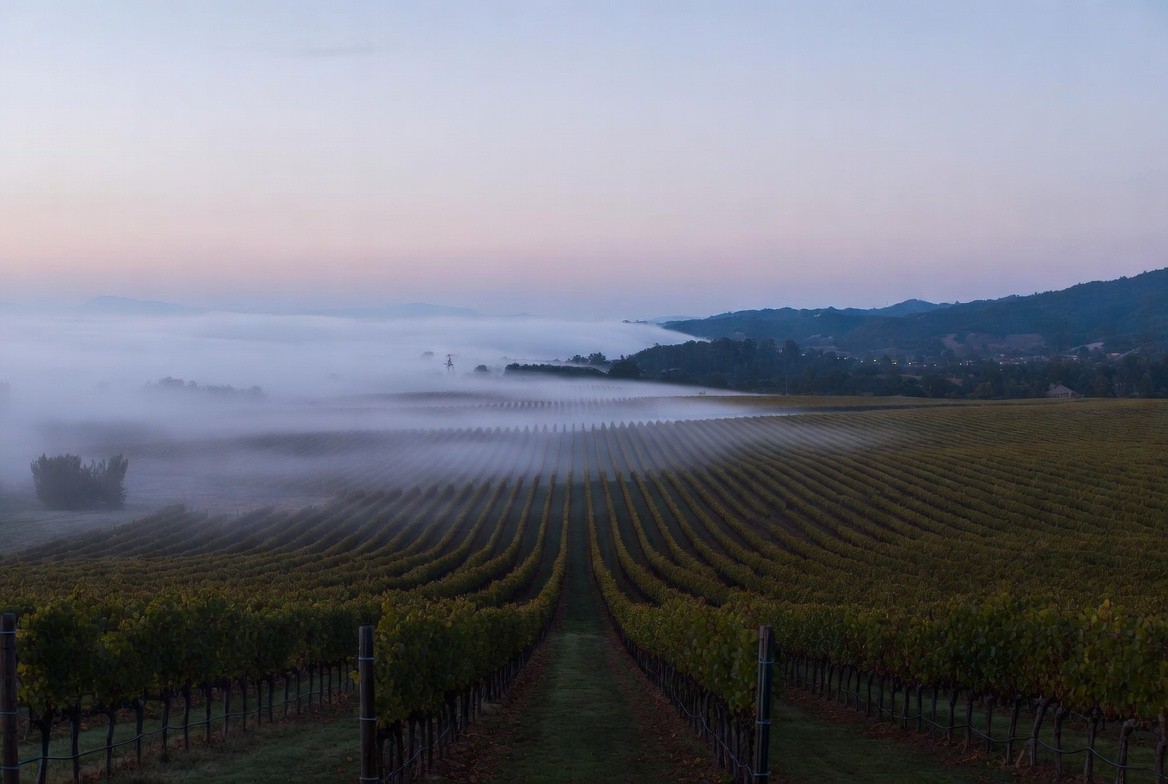
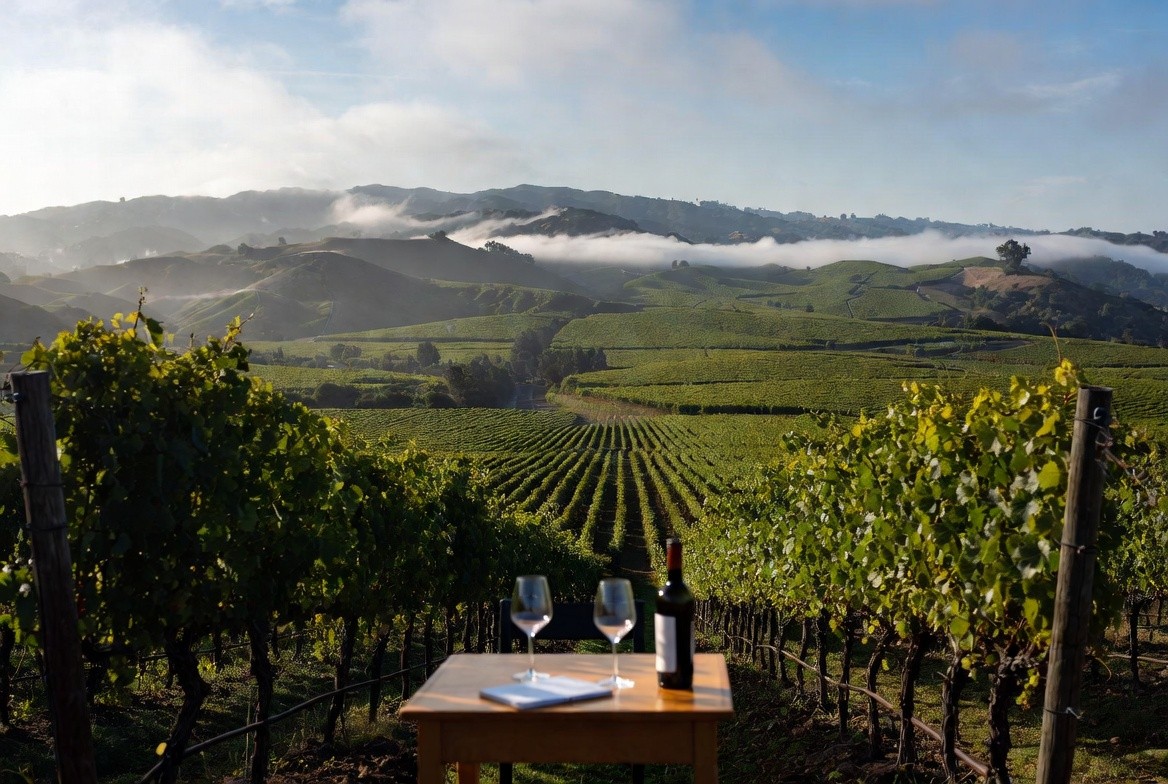
You notice it in the quiet moments. The morning fog lifting off the Rutherford benchlands. The change in light as you drive north toward St. Helena. The way a host slows down once the tasting room empties and the conversation turns from notes to stories.
The best wine clubs are not about shipping schedules or discounts. They are about staying connected to a piece of land and the people who steward it. When you join intentionally, the bottles that arrive at your door do not just remind you of Napa. They bring you back into its rhythm.
What This Experience Is Really About
An intentional wine club is a long conversation, not a single tasting. It is about continuity and trust built over time.
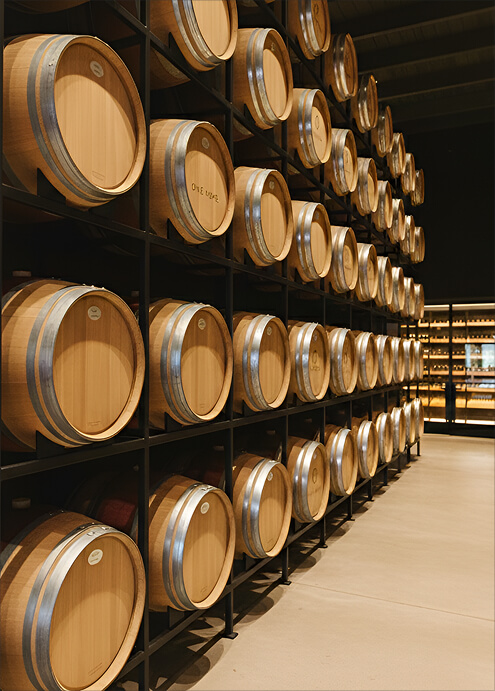
It means following a winemaker’s decisions as vintages change and weather shifts. It means receiving wines that reflect a specific place, whether that is valley floor fruit, benchland structure, or mountain tension. It also means feeling connected to Napa even when you are far from it.
The best clubs prioritize relationship over volume. They value consistency, restraint, and wines that fit naturally into real life, not just special occasions.
When It Is Best to Join
There is no wrong season, but some moments are better than others.
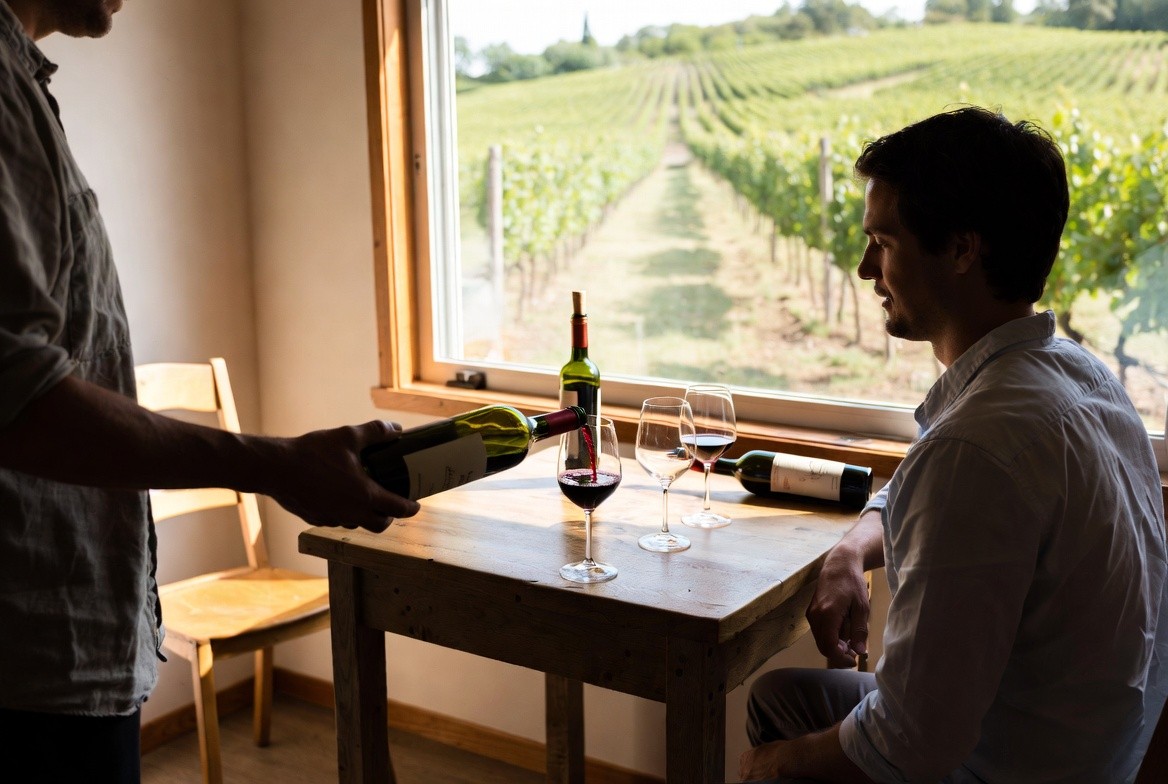
Winter and early spring are ideal. Napa slows down, tasting rooms are quieter, and hosts have time to talk through vineyard blocks, aging programs, and allocation philosophy.
Fall can also be meaningful, especially around release season, when flagship Cabernets and limited wines become available. There is energy in the valley then, but the decision should still feel considered, not rushed.
Midweek remains the sweet spot. It is the slower, truer Napa, where conversations feel less scripted and more honest.

What Most Visitors Miss
Many people join the first club they are offered. What matters more than perks or member discounts is alignment.
Ask yourself if the wines fit your table at home, not just the tasting room moment. Pay attention to how the winery communicates. Does it feel human or automated. Consider how often you will realistically open these bottles with friends or family.
A good wine club should feel like it knows you.
My Local Notes
I always tell friends to pause before joining. Go home. Let the visit settle. The club worth joining is usually the one you are still thinking about a week later, without looking at your notes.
When exploring, pick one neighborhood per day, like Oakville, Rutherford, or St. Helena. Stay within a few minutes of the Silverado Trail and look for estate driven wineries tucked just off the main road. These are often the places where intimacy still matters.
A Short Personal Story
The first wine list I ever joined had nothing to do with pricing or access. It happened after standing in a vineyard with a grower who talked about the soil like a living record of the valley. He pointed to a specific slope and explained how it reacted to rain, heat, and time.
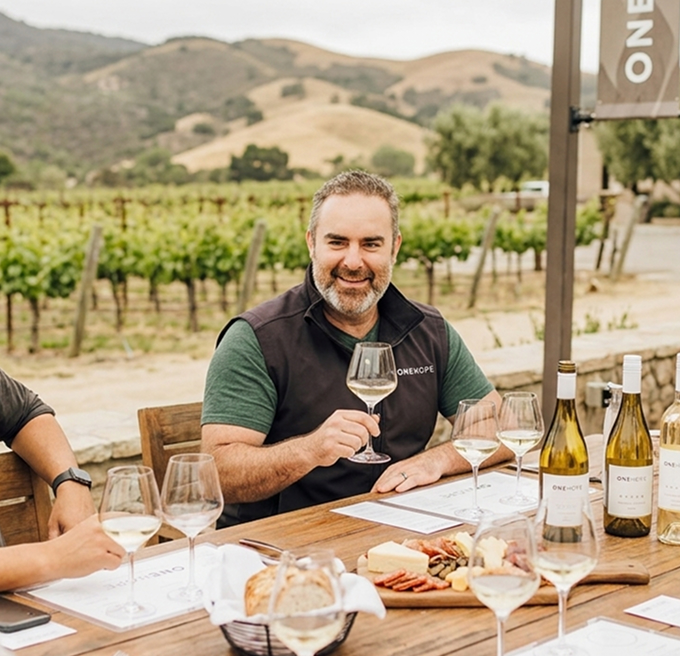
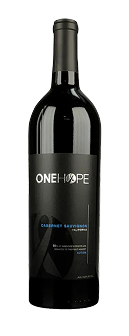
Every bottle that arrived afterward carried that hillside with it. That idea still shapes how I think about wine clubs today. It is also what guided me when building the community around ONEHOPE and shaping Estate 8 long before most people ever visited. Wine works best when it carries memory with it.
How to Choose the Right Wine Club
Ask yourself a few honest questions.
Do you prefer estate grown wines tied to a specific site, or broader sourcing across the valley. Are you drawn to structured Cabernets, elegant reds, or wines that fit easily into everyday meals. Does the winery invite members back in ways that feel personal and unforced.
Then ask the winery how often shipments go out, whether customization is possible, and how long members typically stay. Longevity is a quiet signal of trust.
Gentle Note From Home
I will admit a little bias. Building a wine club at ONEHOPE and shaping Estate 8 before we ever opened was never about scale. It was about creating something people would feel proud to belong to. When wine clubs are done right, they feel less like a program and more like an ongoing welcome.