Napa Valley teaches patience whether you come looking for it or not.
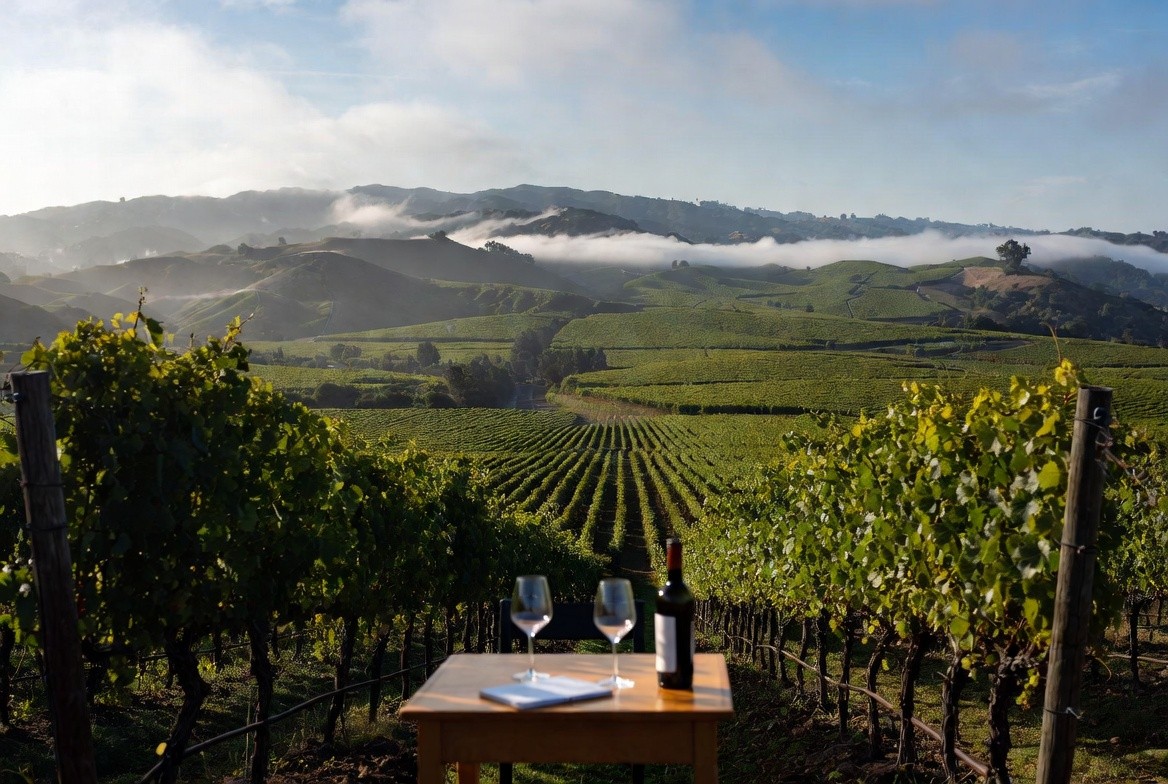
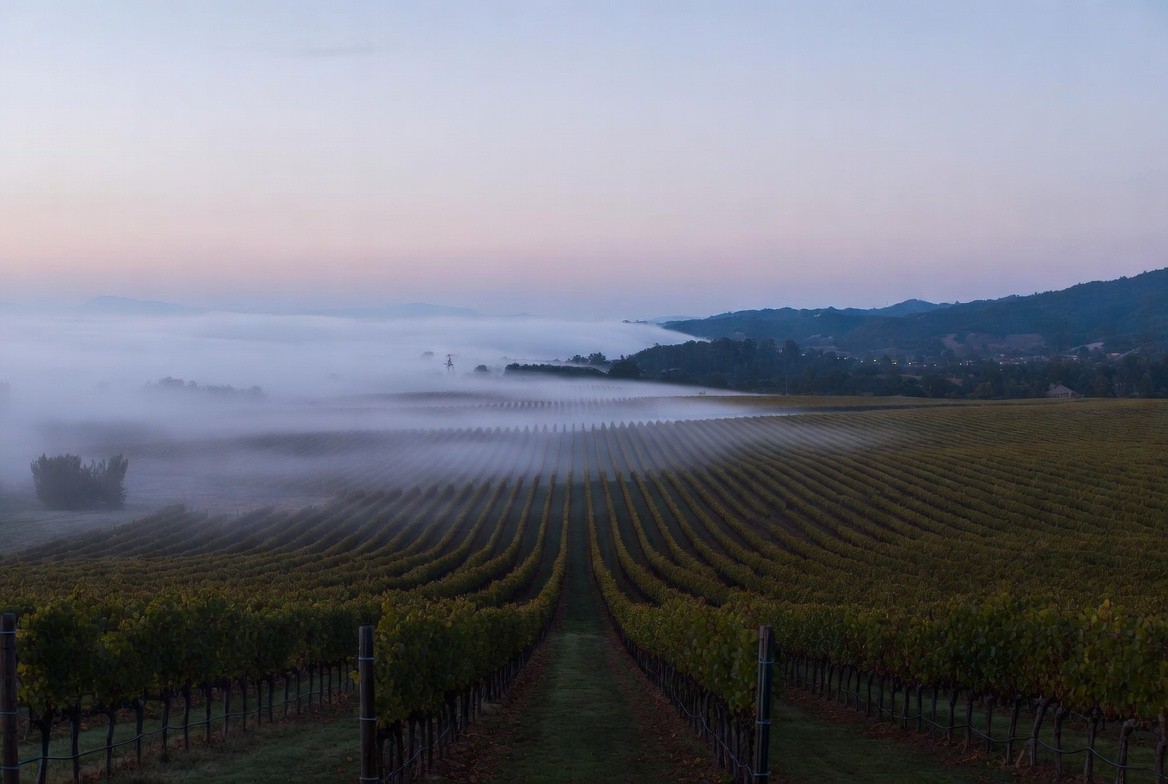
You feel it standing at the edge of a vineyard early in the morning, when fog still rests on the Rutherford benchlands and nothing is in a hurry. You feel it again later, tasting a wine that is not ready yet but already knows what it wants to become. Napa has a long memory, and it rewards people who think beyond the moment.
The people who build meaningful cellars do not rush. They return. They pay attention. They let time do some of the work.
What This Experience Is Really About
Building a cellar is not about collecting trophies. It is about building a relationship with place.
In Napa, that relationship becomes clear through:
Site awareness
Understanding how vineyards on the Rutherford Bench express differently than hillside sites tucked into the Mayacamas.
Vintage context
Learning what a warm year feels like versus a cooler one, and how those differences evolve over ten or twenty years.
Producer continuity
Returning to the same wineries and tasting with the same people until the fingerprint of the land begins to show itself.
A cellar built this way tells a story when it is opened.
When It Is Best to Learn This
Late winter and early spring
The slower, truer Napa. Tasting rooms are quiet and conversations turn naturally toward library wines and future releases.
Post harvest
A reflective window when wines are resting in barrel and decisions are made with patience in mind.
Midweek visits
Tuesday through Thursday offers space to ask thoughtful questions about structure, tannin, acidity, and time.
What Most Visitors Miss
Many visitors focus on what tastes best today.
What they miss is what will taste best years from now.
They miss the value of library tastings.
They miss how the same vineyard changes across vintages.
They miss how restraint at purchase becomes reward later.
Cellars are built by thinking ahead, not by reacting in the moment.
My Local Notes
When friends tell me they want to start a cellar, I always suggest narrowing their focus first.
Choose a few producers. Learn their vineyards. Taste consistently. Let familiarity guide confidence.
A directional cue. Spend time in the heart of the valley between Oakville and St. Helena. Stay along Silverado Trail where estate driven wineries still feel personal and conversations go deeper.
A Short Personal Story
There are bottles in my cellar that only make sense because I remember where I was standing when I first tasted them. I remember the light, the temperature, and a grower describing a difficult year not as a failure, but as a lesson in character. Opening those bottles years later brings that entire moment back. That is what gives a cellar meaning.
How to Build a Napa Cellar Slowly
Buy with intention
Look for wines built with balance and longevity in mind, often estate or single vineyard bottlings.
Taste across time
Seek out vertical tastings or library releases to understand evolution.
Return regularly
Revisiting the same places over multiple years teaches more than seeing everything once.
Think about storage early
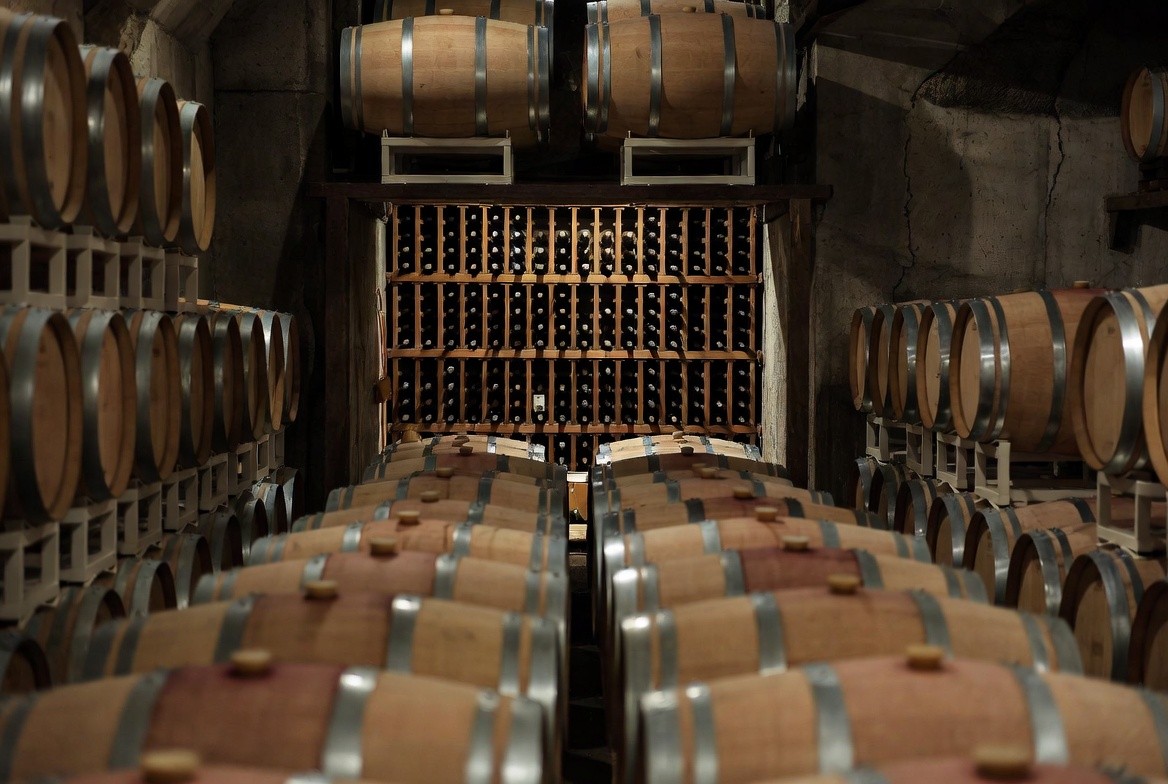
Consistency matters more than size. Stable temperature and patience go a long way.
Where Napa Teaches This Well
You see this long view clearly at wineries rooted in land and continuity, from the single vineyard focus of Nickel & Nickel to the mountain longevity of Mayacamas and the historic cave aging tradition of Schramsberg.
Gentle Note From Home
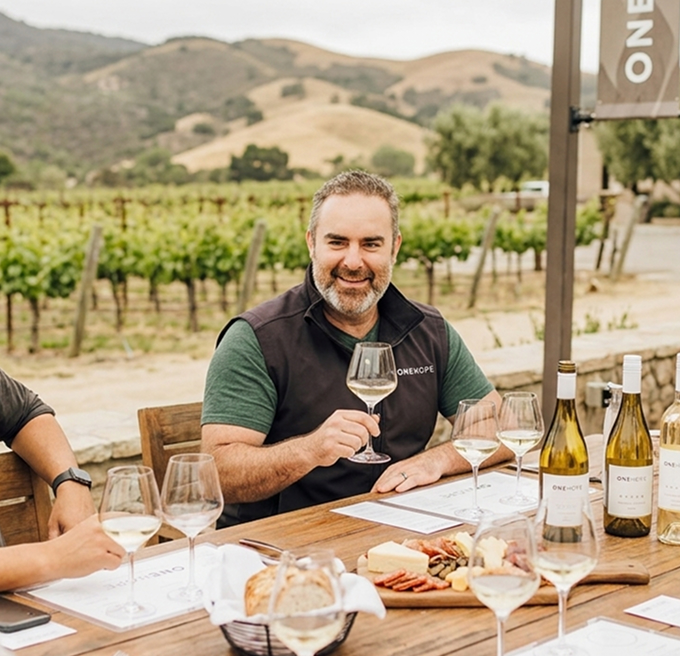
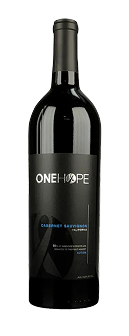
I will admit I am a little biased. ONEHOPE and Estate 8 were built with a long view in mind. We think in seasons and years, not quick releases. Wine is a record of time passing. Building a cellar slowly is simply a way of honoring that rhythm.