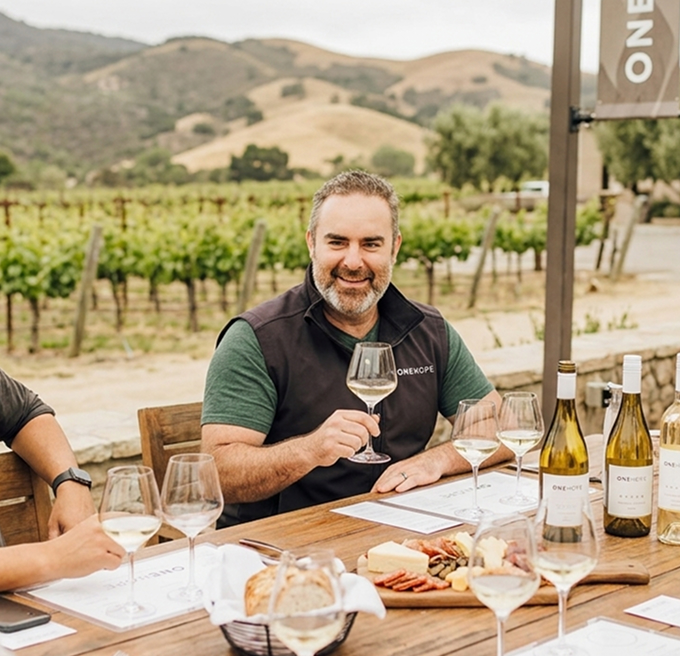

Pull into Yountville at 10:58 in the morning. Washington Street is still stretching awake. Delivery trucks idle behind restaurants. The first guests are stepping onto patios with coffee in hand.
Before you even open the door to a tasting room, something has already happened.
Your reservation is confirmed. Dietary notes are flagged. Your club history is visible on a host’s tablet. The cellar team has been cued to pull a specific vintage from a barrel lot or library allocation.
None of it feels technological.
That is Napa hospitality tech at its best.
Here, systems are designed to disappear. Along Silverado Trail, in Oakville, in Rutherford, the most refined estates operate like quiet orchestras of data and intuition. If you are studying hospitality tech Napa style, this valley is a working model of how modern systems protect intimacy instead of replacing it.
What This Experience Is Really About
Hospitality tech Napa is not about screens. It is about integration.
Most premium Napa wineries now operate on appointment-only models. That structure depends on layered systems:
- CRM ecosystems that track guest history and preferences
- Reservation software that staggers arrivals to avoid parking and patio congestion
- Inventory systems synced to tasting menus
- Compliance platforms that calculate shipping regulations across states
- Weather monitoring that informs outdoor tasting decisions
Drive Highway 29 on a busy Saturday and notice something subtle. Full tasting rooms. Calm parking lots. No chaos spilling into the road.
That is choreography backed by software.
A Short Personal Story
When we were designing Estate 8, I spent weeks thinking about slope, drainage, and how the afternoon light hits the Mayacamas. I thought architecture would be the hardest part.
It was not.
The harder layer was operational. Club allocations. Compliance shipping. Guest pacing. Making sure that when someone returned after two years, we remembered not just their name but their last favorite vintage.
I am biased. It is my baby. But I learned quickly that guest experience systems Napa style are not about efficiency. They protect presence. When the systems are clean, the host can look you in the eye instead of at a screen.
The best technology here makes hospitality feel older, not newer.
The Technology Layers of Wine Country
1. Reservation and Guest Flow
In Oakville and Rutherford, walk-ins are increasingly rare. Reservation systems manage guest count limits set by Napa County.
Local directional cue: If you are driving north on Silverado Trail and see estates tucked behind vineyards without traffic backing up onto the road, that flow is software-supported pacing.
These systems control:
- Arrival times
- Table turnover
- Staffing levels
- Outdoor versus indoor placement based on weather
2. CRM and Personalization
Napa winery CRM systems do more than collect emails. They map guest behavior over time.
Hosts can see:
- Past purchases
- Preferred varietals
- Wine club tier
- Shipping address restrictions
- Event attendance
When a host in St. Helena references the 2018 Cabernet you bought two visits ago, that memory is supported by infrastructure.
Technology enables continuity.
3. Production to Hospitality Sync
Along Silverado Trail, winery technology Napa Valley extends into the cellar.
Advanced facilities use:
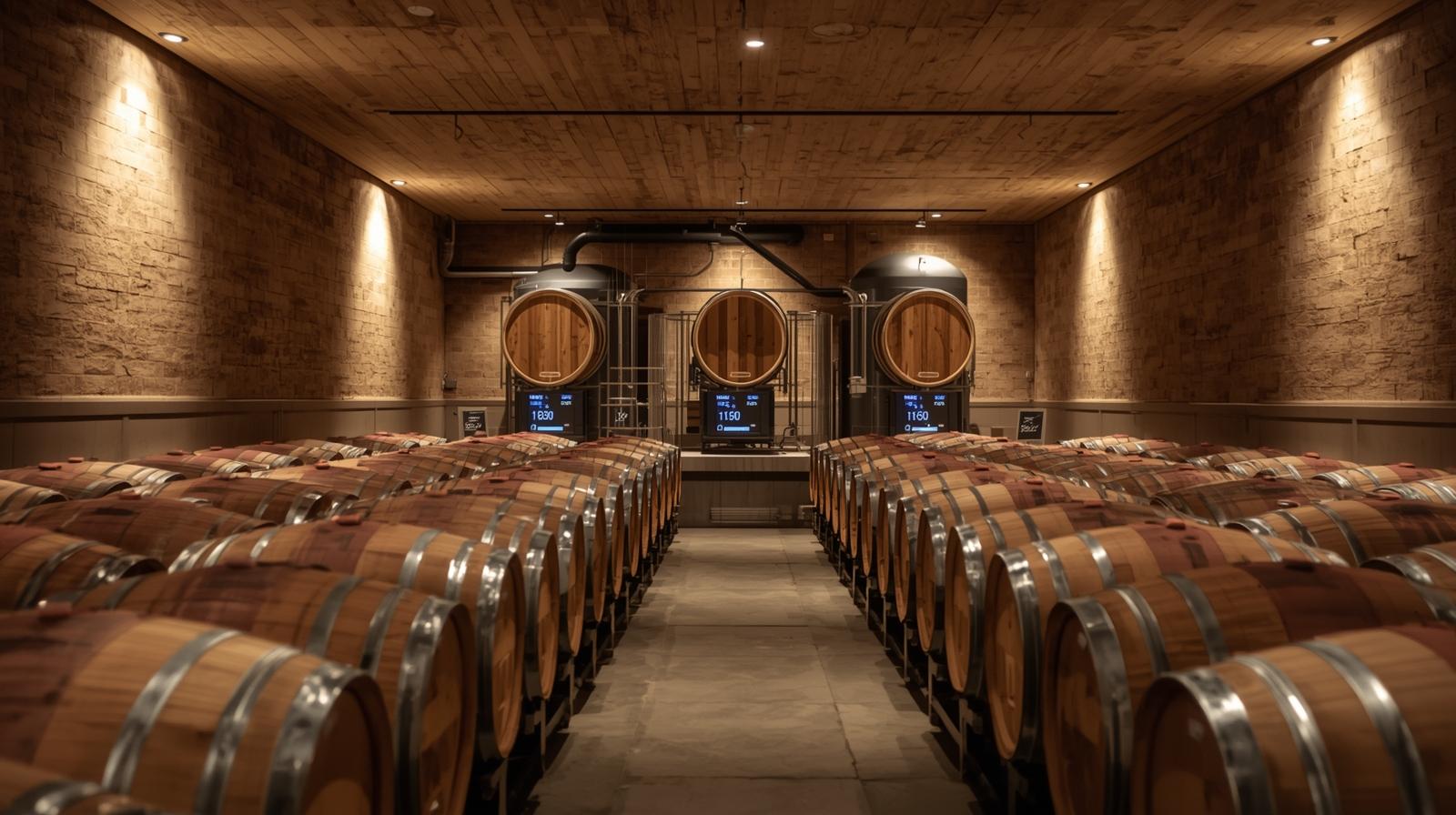
- Digital barrel logs
- Tank temperature monitoring
- RFID inventory tracking
- Real-time production dashboards
If a tasting menu promises a library vintage, inventory systems confirm it is physically available before the first guest sits down.
Production precision protects guest trust.
4. Sustainability and Smart Systems
Modern wine country hospitality innovation includes environmental monitoring.
In Carneros, where wind shifts quickly off San Pablo Bay, weather sensors inform whether tastings move indoors.
Across the valley, estates monitor:
- Solar energy output
- Water recycling metrics
- Soil moisture levels
Technology now links vineyard health to guest experience.
Where to Observe Hospitality Tech Napa
Yountville
Washington Street operates with precision. Restaurants coordinate reservation pacing, kitchen software, and table turns at a level comparable to global cities.
Observe how smoothly courses arrive without visible tension.
Downtown Napa
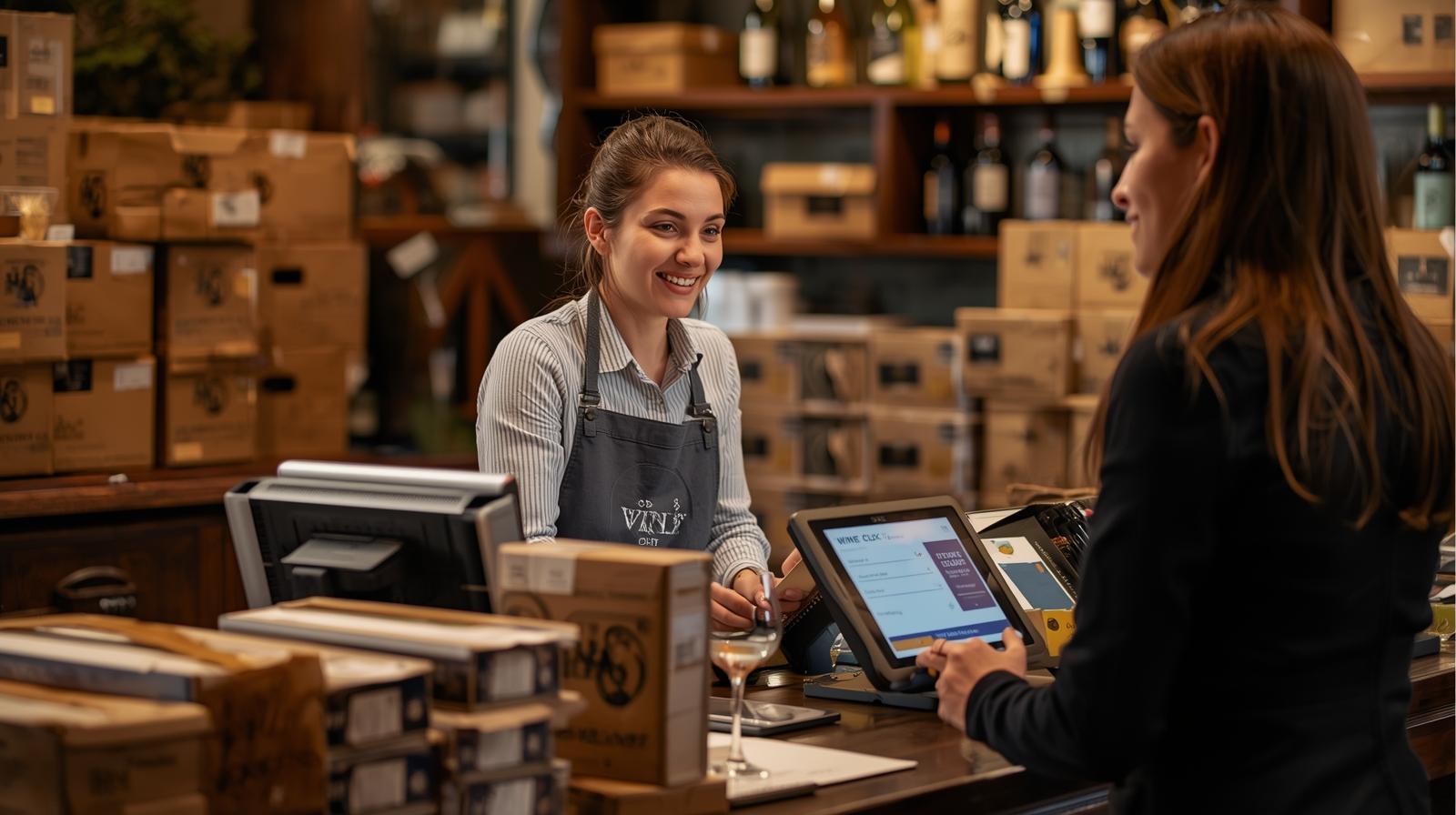
This is the direct-to-consumer hub. Many tasting rooms integrate POS systems directly with compliance shipping software.
Watch how complex multi-state shipping orders are processed in minutes.
Oakville and Rutherford
Mid-valley estates specialize in structured, seated experiences.
Ask your host how reservations are staggered during harvest weekends. The answer will often include software layers you never see.
A Hospitality Tech Focused Napa Itinerary
Morning
Visit a Downtown Napa tasting room. Observe the check-in process and how quickly guest history is accessed.
Midday
Lunch in Yountville. Pay attention to how courses are paced without long waits or visible rush.
Afternoon
Tour a production facility along Silverado Trail. Ask about inventory sync between cellar and tasting room.
Evening
Enjoy a wine bar in St. Helena. Notice how POS systems handle shipping requests and wine club enrollments.
Keep your focus on smoothness, not spectacle.
Missing Visitor Questions Answered
Why are so many Napa experiences appointment-only?
County regulations and hospitality philosophy both favor controlled guest counts. Technology allows wineries to stay compliant while elevating service.
Does hospitality tech make Napa feel corporate?
When done well, no. The system fades into the background and amplifies human interaction.
Is data privacy taken seriously?
Yes. Most Napa estates use enterprise-grade encrypted CRM platforms due to the high-profile nature of their clientele.
Does harvest change technology demands?
Absolutely. September and October bring increased reservations and shipping complexity. Systems are stress-tested during Crush.
Internal Link Opportunities
- For the land-use policies that shape appointment-only models, see our guide to Napa Valley Wine Law and Regulation.
- To understand how production systems influence hospitality, read Napa Valley for People Interested in Vineyard Architecture and Engineering.
- For the climate tools behind outdoor tasting decisions, explore Napa Valley Microclimates and Weather Patterns.