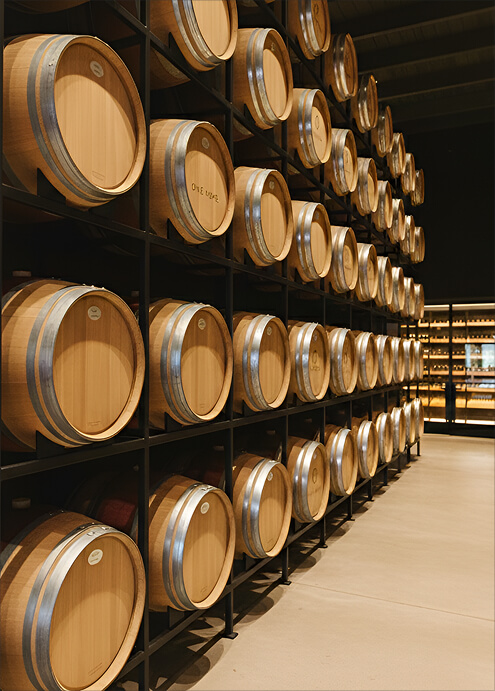
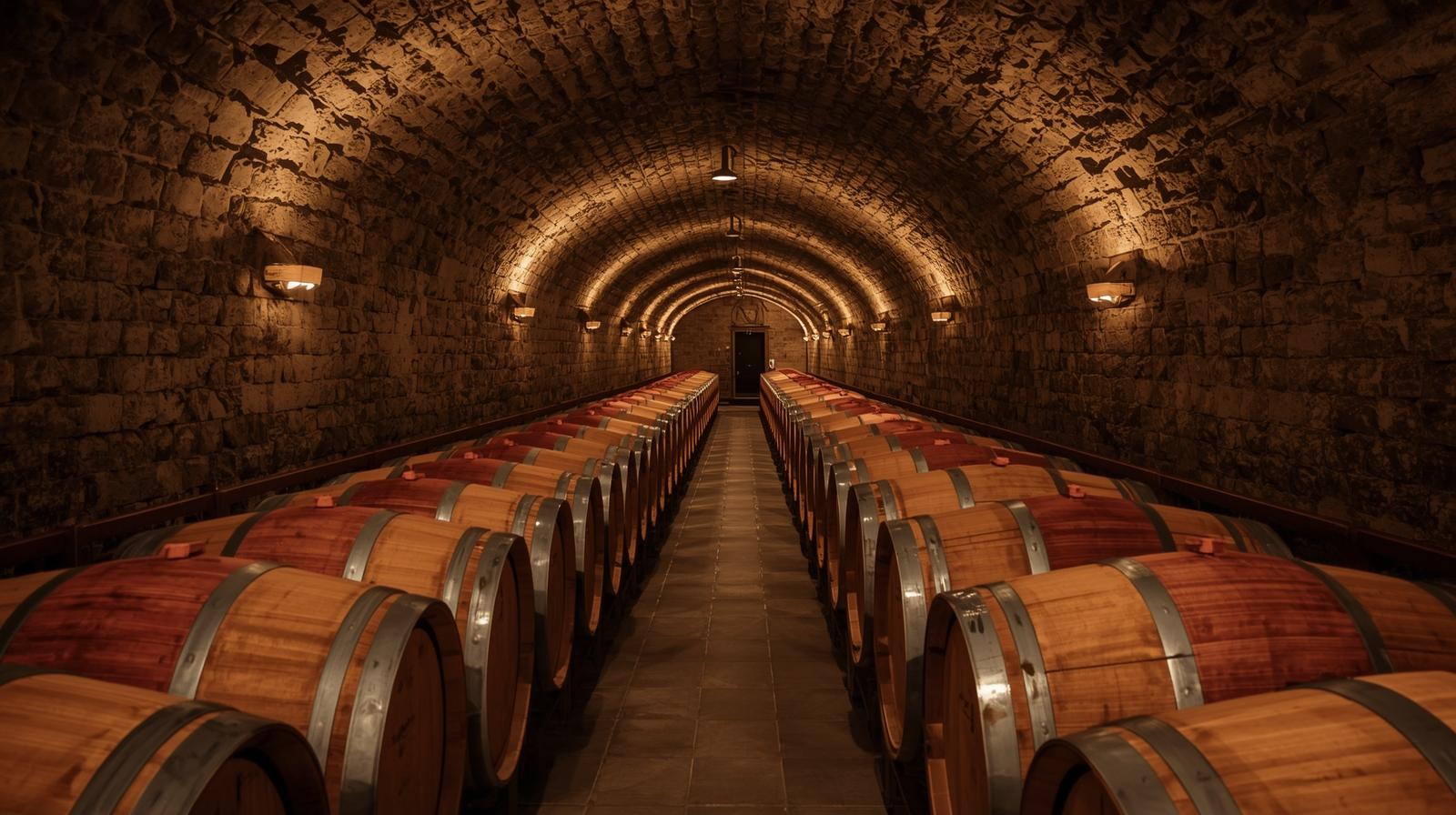
Walk into a barrel room in Oakville in the middle of winter and you will smell it immediately.
Not just wine. Time.
Cool air. Damp stone. Toasted French oak. A faint sweetness from wine quietly finishing malolactic fermentation. If you listen closely, you might even hear the soft crackle of barrels settling in the cave.
Fermentation Napa style is not confined to the grape. It lives in the sourdough starters tucked behind bakery counters in St. Helena, in the crocks of lacto-fermented vegetables at Oxbow Public Market, in cured meats aging in Yountville kitchens, and in Cabernet Sauvignon resting patiently in caves carved into Spring Mountain.
Napa Valley may be known for polished tastings and vineyard views, but at its core it is a place built on preservation. Pickling. Curing. Aging. The discipline of letting biology do its work.
If you are curious about food preservation Napa Valley style, you are really studying how this valley understands time.
What This Experience Is Really About
Fermentation Napa culture is about guided change.
In a valley protected by the 1968 Agricultural Preserve, preservation is practical as much as poetic. Excess tomatoes become conservas. Olives are cured. Grapes are crushed, fermented, and aged. Nothing travels far. Everything evolves slowly.
Wine aging Napa Valley style often means eighteen to twenty four months in barrel. Sometimes longer. In caves carved from volcanic tufa above St. Helena, barrels rest at a natural 58 degrees with steady humidity.
Beyond wine, food preservation Napa Valley kitchens rely on:
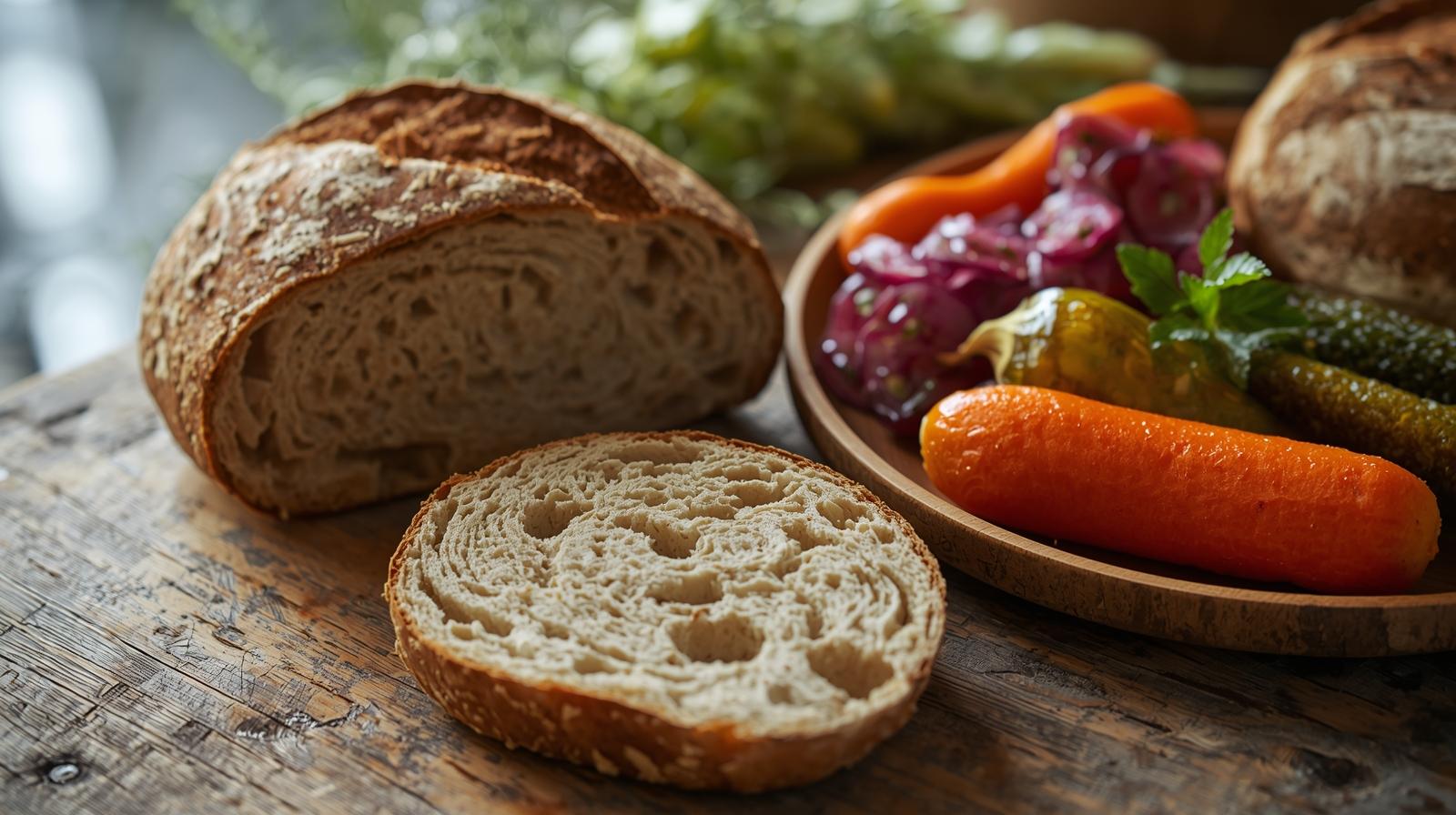
- Naturally leavened sourdough shaped by local airborne yeast
- House fermented vegetables that add acidity to rich dishes
- Dry aged meats balanced against Cabernet tannin
- Barrel aged vinegars used sparingly but intentionally
Time is treated as an ingredient.
A Short Personal Story
One winter afternoon in Rutherford, long after the noise of harvest faded, I walked into a cave to taste through a single vineyard Cabernet we had been tracking for over a year.
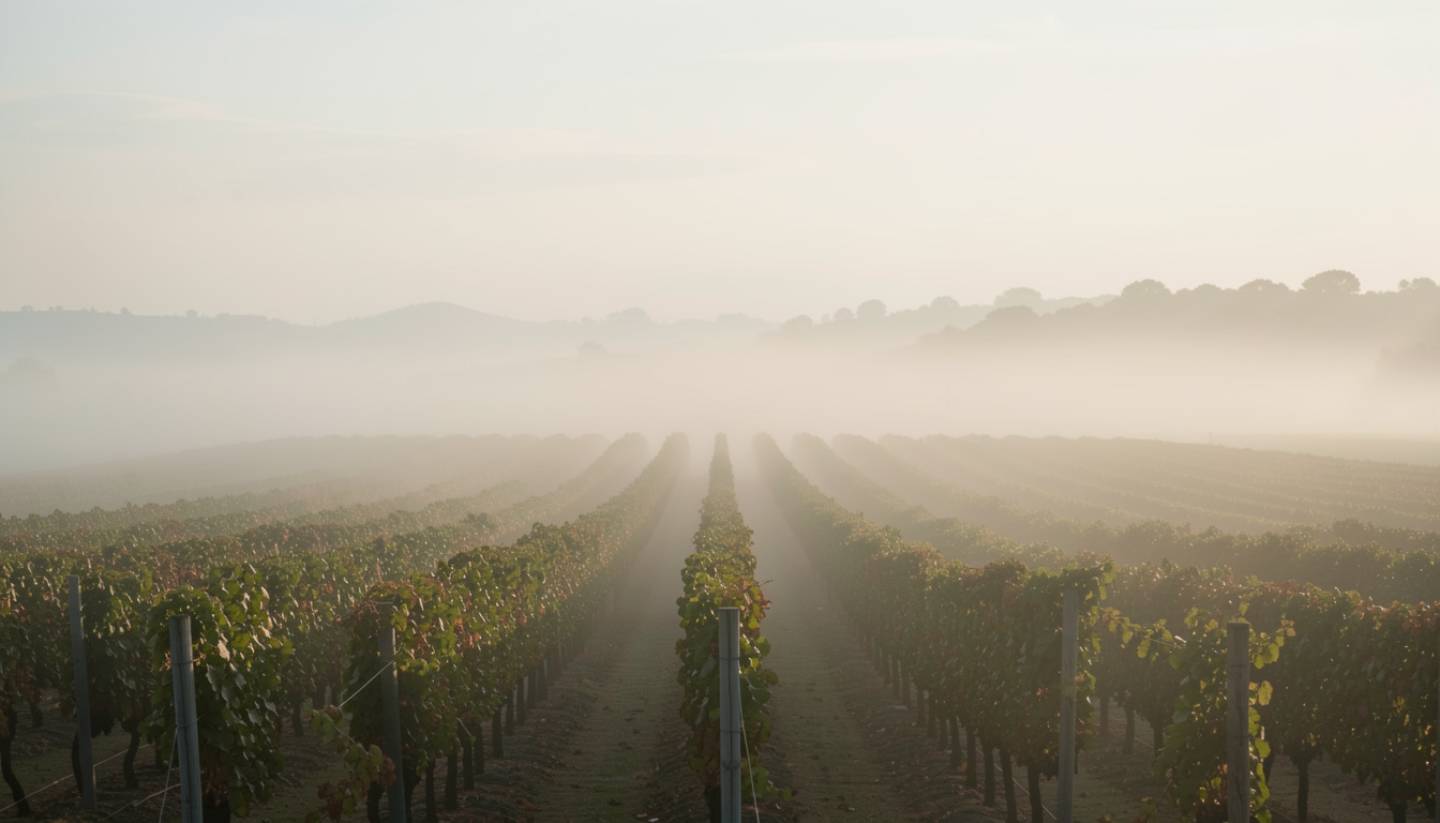
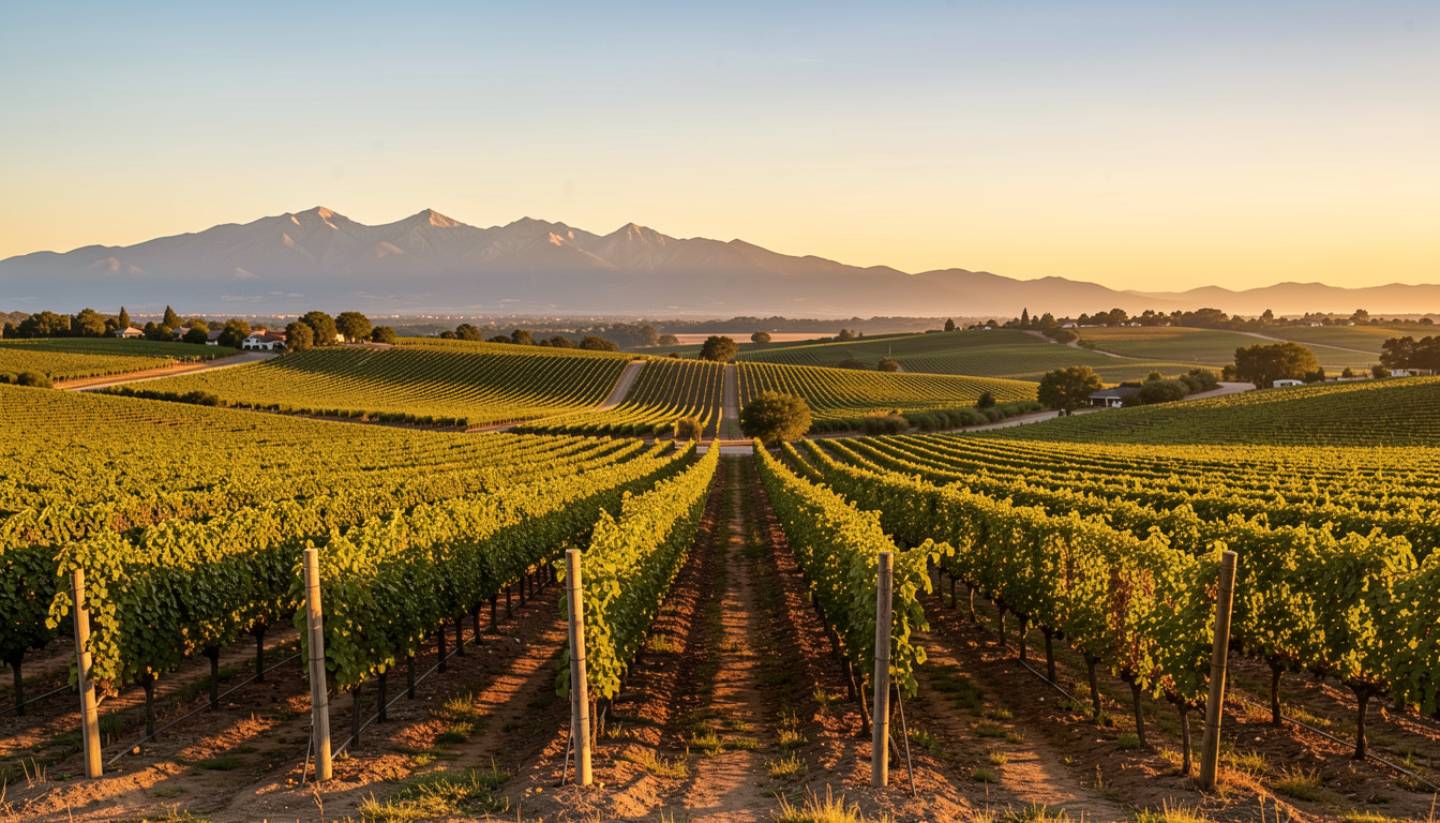
Outside, mustard bloomed bright between vine rows. Inside, it was still and cool.
The wine had shifted. The tannins that once felt angular had softened. The aromatics opened. You could feel the chemistry maturing.
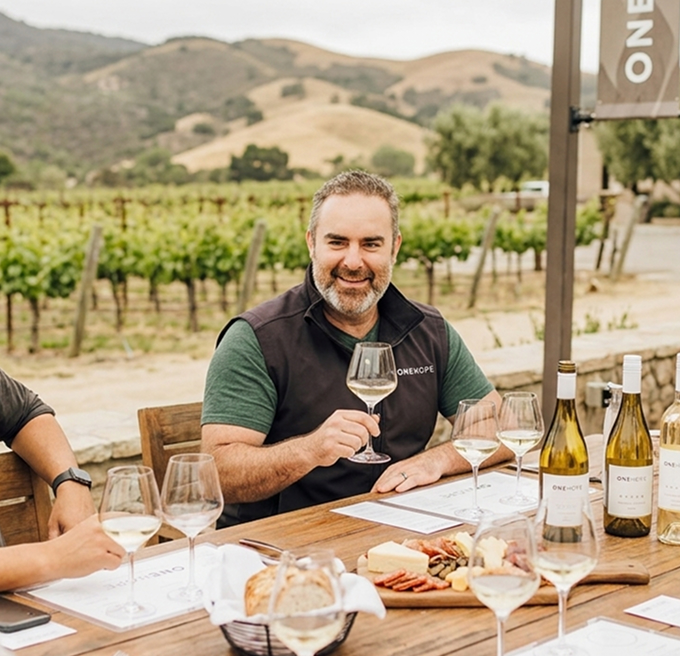
It reminded me why I love building here. At Estate 8, when we host meals overlooking the vineyard, I often think about that invisible arc from fruit to fermentation to aging. I am biased. But I believe fermentation is humility in action. You prepare carefully. Then you wait.
The Geography of Fermentation Napa
Oakville and Rutherford: Benchland Precision
The mid valley benchlands are home to some of the most refined wine aging Napa operations.
Look for:
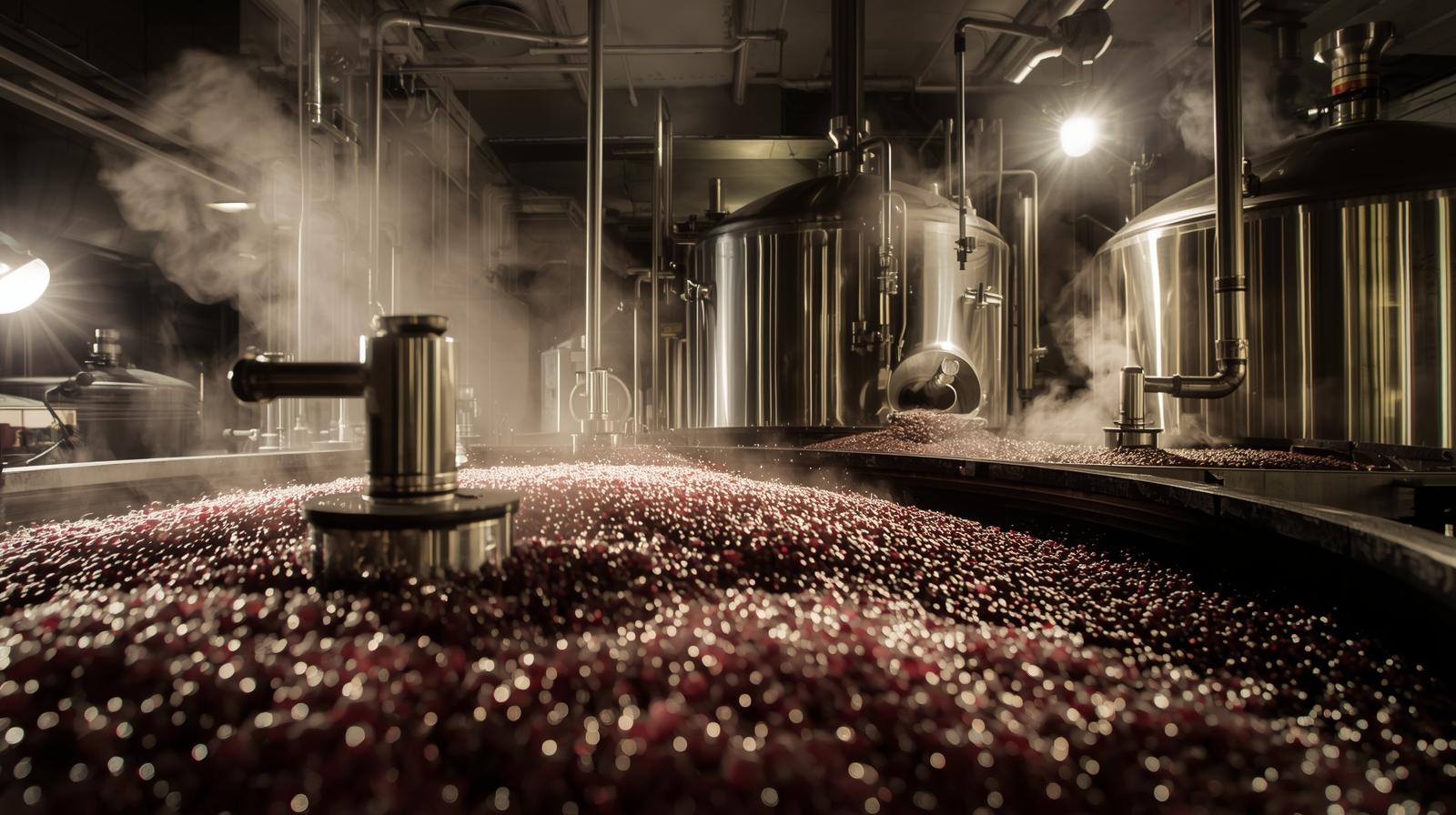
- Stainless steel tanks with cooling jackets controlling fermentation temperature
- Barrel rooms aligned by vineyard block
- Gravity flow systems that protect fruit integrity
Drive Oakville Cross Road or Rutherford Cross Road and you will pass production facilities where fermentation begins with precision and patience.
Spring Mountain and Atlas Peak: Cave Culture
Head up Spring Mountain Road and you will find hillside estates built into the rock.
Napa wine caves construction is not aesthetic alone. It provides:
- Consistent temperature
- Ideal humidity
- Reduced energy use
- Acoustic quiet that invites reflection
Cave tours in winter offer a deeper understanding of wine aging Napa style. Cellar teams often have more time to explain polymerization, malolactic conversion, and barrel selection.
Downtown Napa: The Artisan Pantry
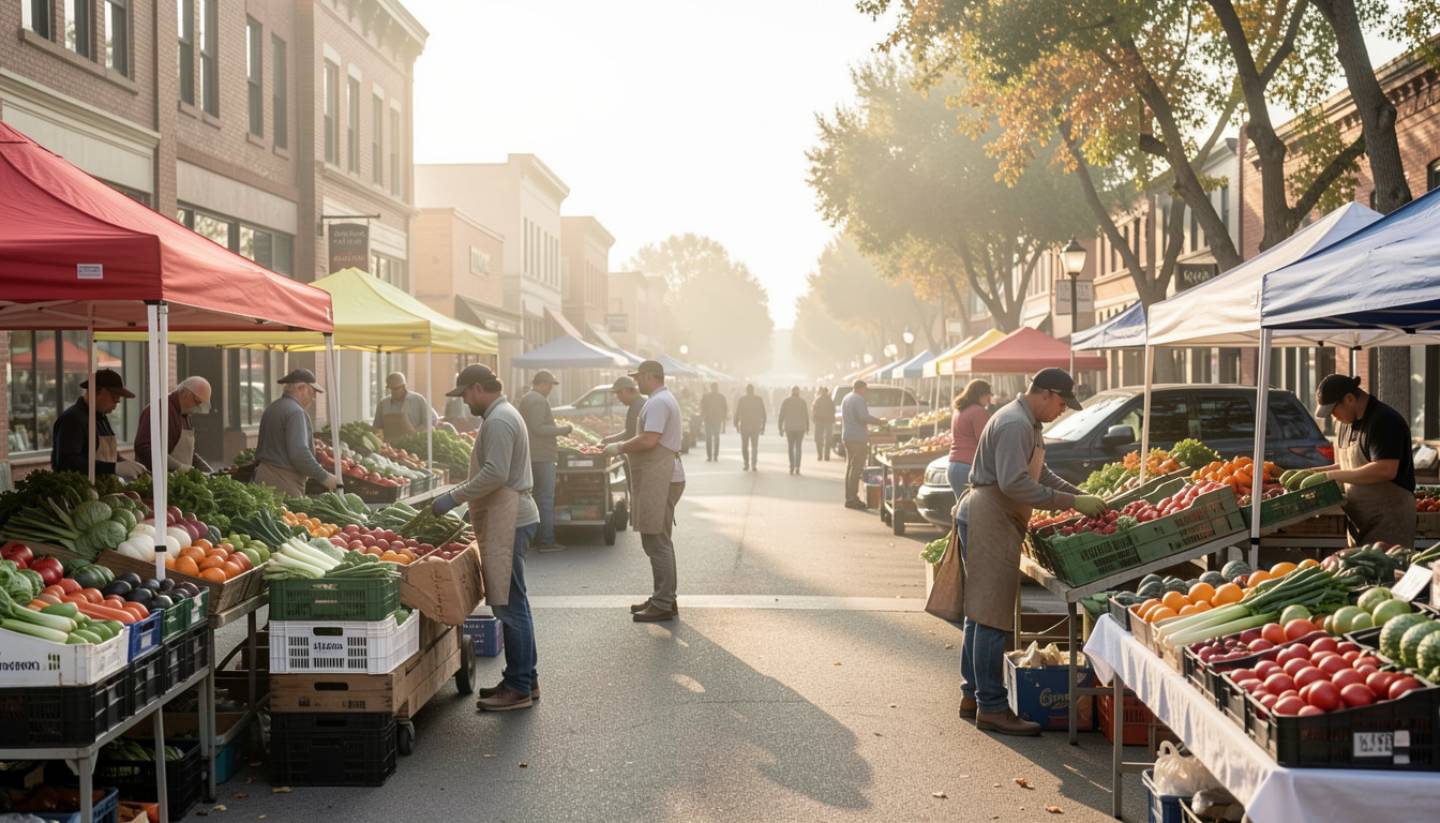
At Oxbow Public Market in downtown Napa, fermentation Napa culture becomes visible beyond wine.
You will find:
- Naturally fermented pickles
- Aged cheeses
- Specialty charcuterie
- House made condiments
Ask questions. Most artisans will explain their fermentation timelines, aging programs, and sourcing from nearby farms.
Yountville and St. Helena: Culinary Preservation
Restaurants along Washington Street in Yountville incorporate fermented components into tasting menus.
In St. Helena, bakeries maintain sourdough starters that have been active for years. Some chefs collaborate directly with local producers to create exclusive cures and preserves.
This is where fermentation meets hospitality.
What Most Visitors Miss
Visitors often focus on tasting appointments and dinner reservations.
They rarely ask:
- Was this wine fermented with wild yeast or inoculated strains?
- How long did this Cabernet age before release?
- Are these vegetables lacto-fermented or quick brined?
- How old is that sourdough starter?
If you want to understand fermentation Napa style, ask about process.
During crush season Napa, you can smell active fermentation across the valley. In winter, you can taste the results.
Fermentation Focused Napa Itinerary
One Day
Morning
Explore Oxbow Public Market. Speak with vendors about pickling and curing techniques.
Midday
Lunch in Yountville featuring house fermented or cured elements.
Afternoon
Cave tour on Spring Mountain. Discuss barrel aging and humidity control.
Evening
Library tasting in Oakville or Rutherford focused on aged Cabernet Sauvignon.
Weekend Deep Dive
Day One
Harvest season production tour observing active wine fermentation.
Dinner in St. Helena highlighting preserved seasonal ingredients.
Day Two
Winter cave tasting.
Bakery visit for naturally fermented sourdough.
Downtown Napa exploration of artisan fermentation Napa producers.
Stay midweek for deeper access to cellar teams.