There is a moment most creators miss.
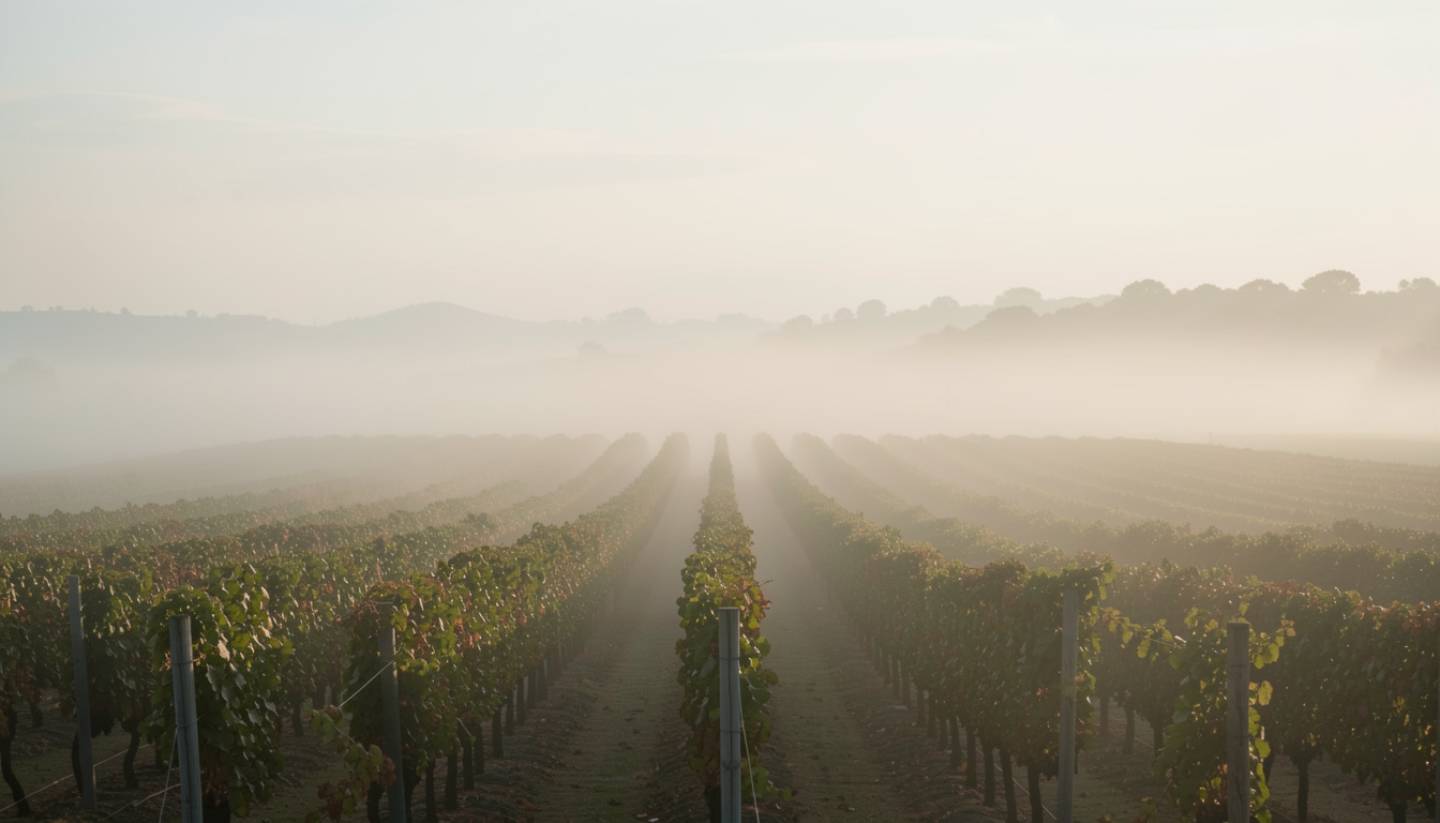
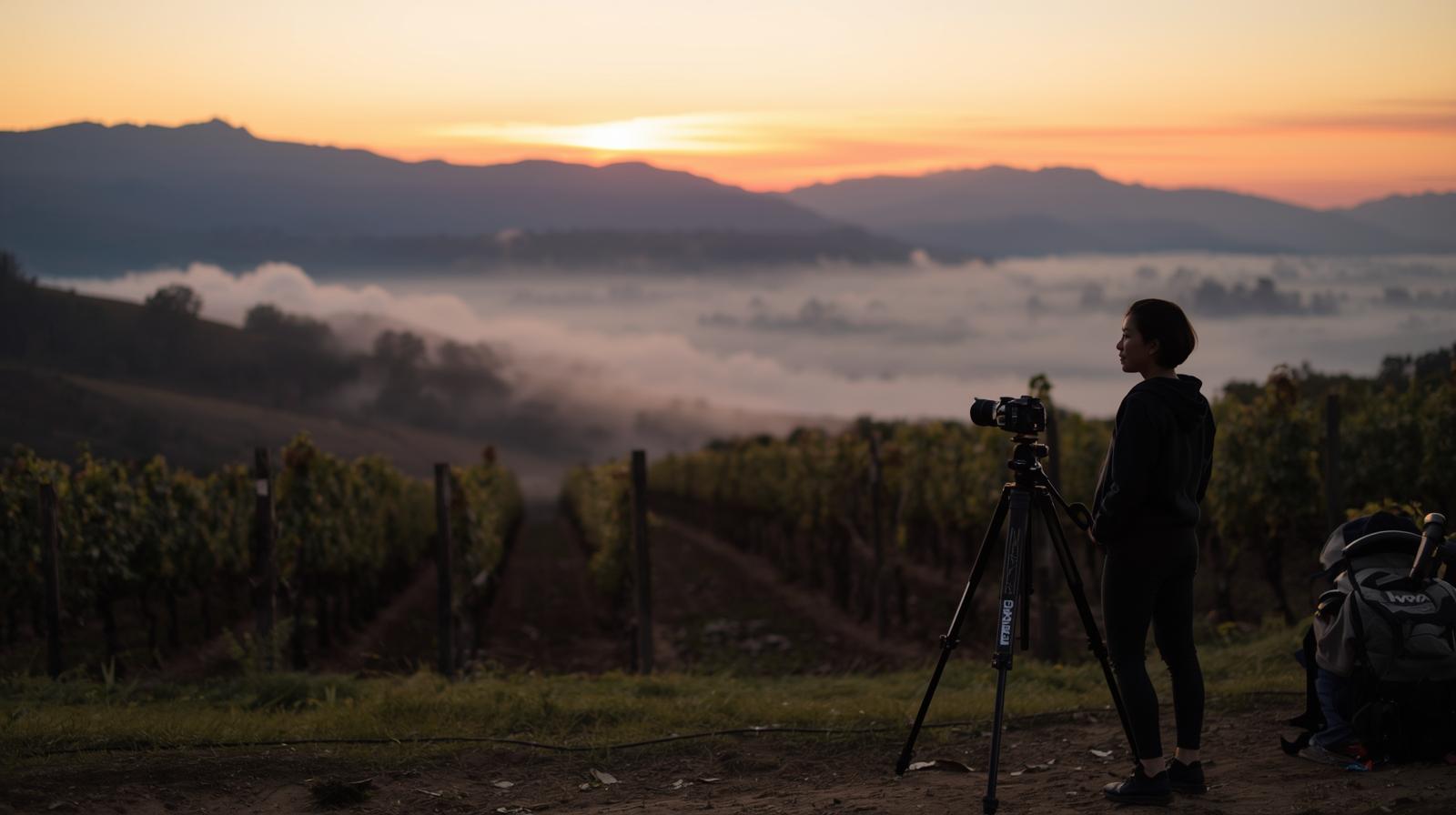
It happens just after sunrise along Silverado Trail between Oakville and Rutherford. The marine layer hangs low over the valley floor. The eastern light clears the Vaca Range first, then slides across the benchlands toward the Mayacamas. Irrigation lines click on. A tractor hums in the distance. No tasting rooms are open yet. No tour buses. Just the rhythm of agriculture.
If you are exploring media travel Napa style, this is your real studio.
Napa Valley is not a backdrop. It is a system. Agriculture. Architecture. Generational family business. Harvest labor. Regenerative farming. Culinary craft. All of it compressed into a narrow thirty mile corridor from Carneros to Calistoga.
As someone who has built brands here and hosted photographers, filmmakers, and founders from around the world, I can tell you this: Napa rewards storytellers who understand context.
What This Experience Is Really About
Digital storytelling Napa Valley style is about depth over aesthetic repetition.
Anyone can capture symmetrical vineyard rows. Fewer creators capture why those rows exist.
The 1968 Agricultural Preserve protects this valley from suburban sprawl. That policy shapes every frame. It explains why Oakville still looks like Oakville. Why Rutherford still carries agricultural identity. Why St. Helena remains small town rather than commercial strip.
When you tell that story, your vineyard photography Napa content shifts from beautiful to authoritative.
Media travel Napa creators should think in layers:
- Soil type to wine profile
- Harvest worker to final bottle
- Architect to guest experience
- Policy to preservation
- Hospitality to human connection

A Short Personal Story
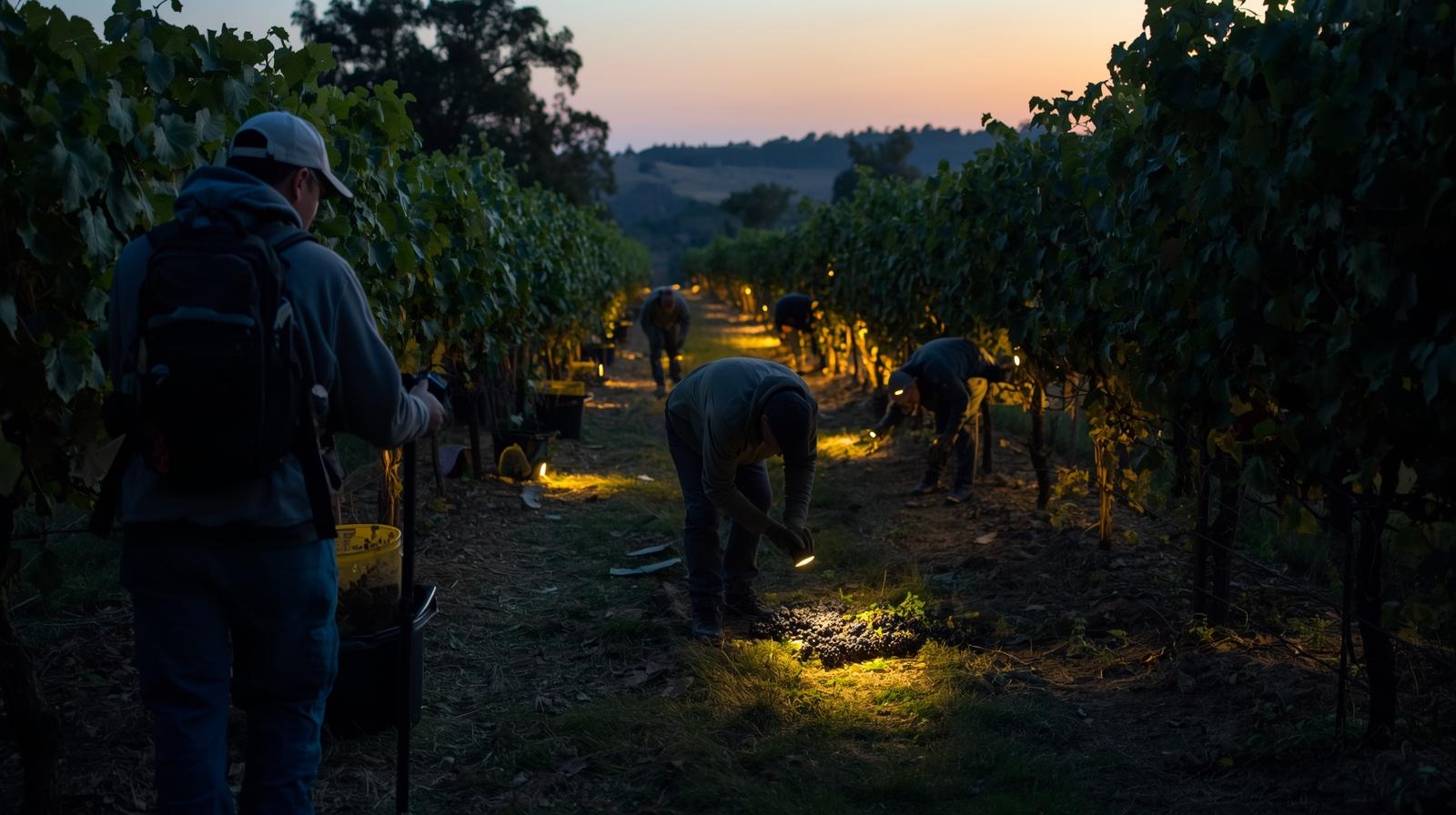
One October morning during harvest, we were filming near Oakville Cross Road. We had the usual visuals ready. Drone over the vines. Sorting table. Stainless steel fermentation tanks.
Then a vineyard foreman paused and explained why that block was being picked at 3:30 in the morning instead of noon. Heat retention in the fruit. Acid balance. Fermentation control.
Thirty seconds of lived expertise reshaped the entire narrative.
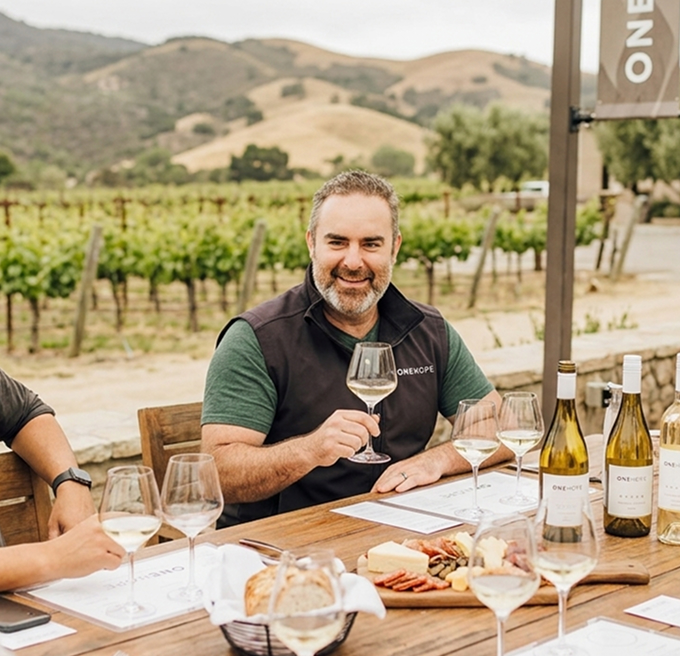
At Estate 8, when creators visit, I always encourage them to step away from the obvious angle. I am biased. But the most compelling content creation Napa wineries moments often happen near the crush pad, not the tasting bar.
The Geography of Media Travel Napa
Silverado Trail: The Visual Spine
Silverado Trail runs north along the eastern edge of the valley.
Best time: Sunrise.
Why: Fog pockets, minimal traffic, clean vineyard lines.
Drive from Napa toward St. Helena and you will pass Oakville Cross Road, Rutherford Cross Road, and Zinfandel Lane. Each intersection offers a slightly different perspective on the valley floor.
Yountville: Culinary Storytelling
Washington Street in Yountville is where hospitality meets visual narrative.
Capture:
- Chef plating during midday prep
- Boutique hotel courtyards
- Private dining rooms designed for executive retreat Napa gatherings
- The handoff from kitchen to guest
This is where digital storytelling Napa intersects with food identity and artisan distribution.
St. Helena: Agricultural Backbone
Main Street St. Helena still feels tied to the agricultural roots of the valley.
Look for:
- Early morning bakery prep
- Vineyard equipment staged along the roadside
- Olive presses and ranch style properties north of town
The authenticity here reads differently than Oakville polish.
Spring Mountain and Atlas Peak: Engineering and Elevation
Head uphill for technical storytelling.
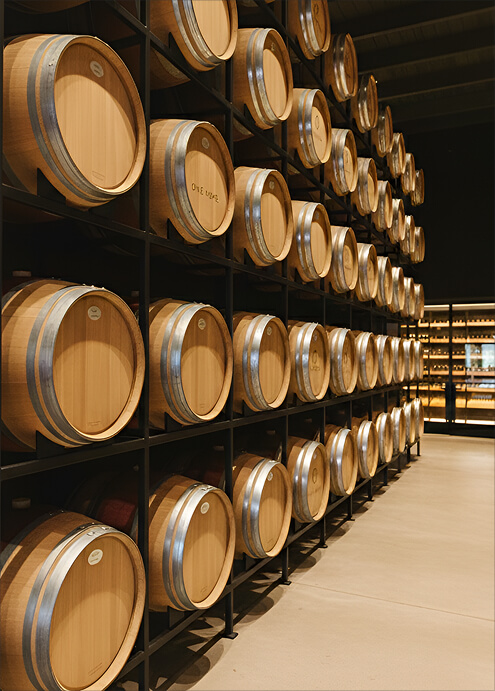
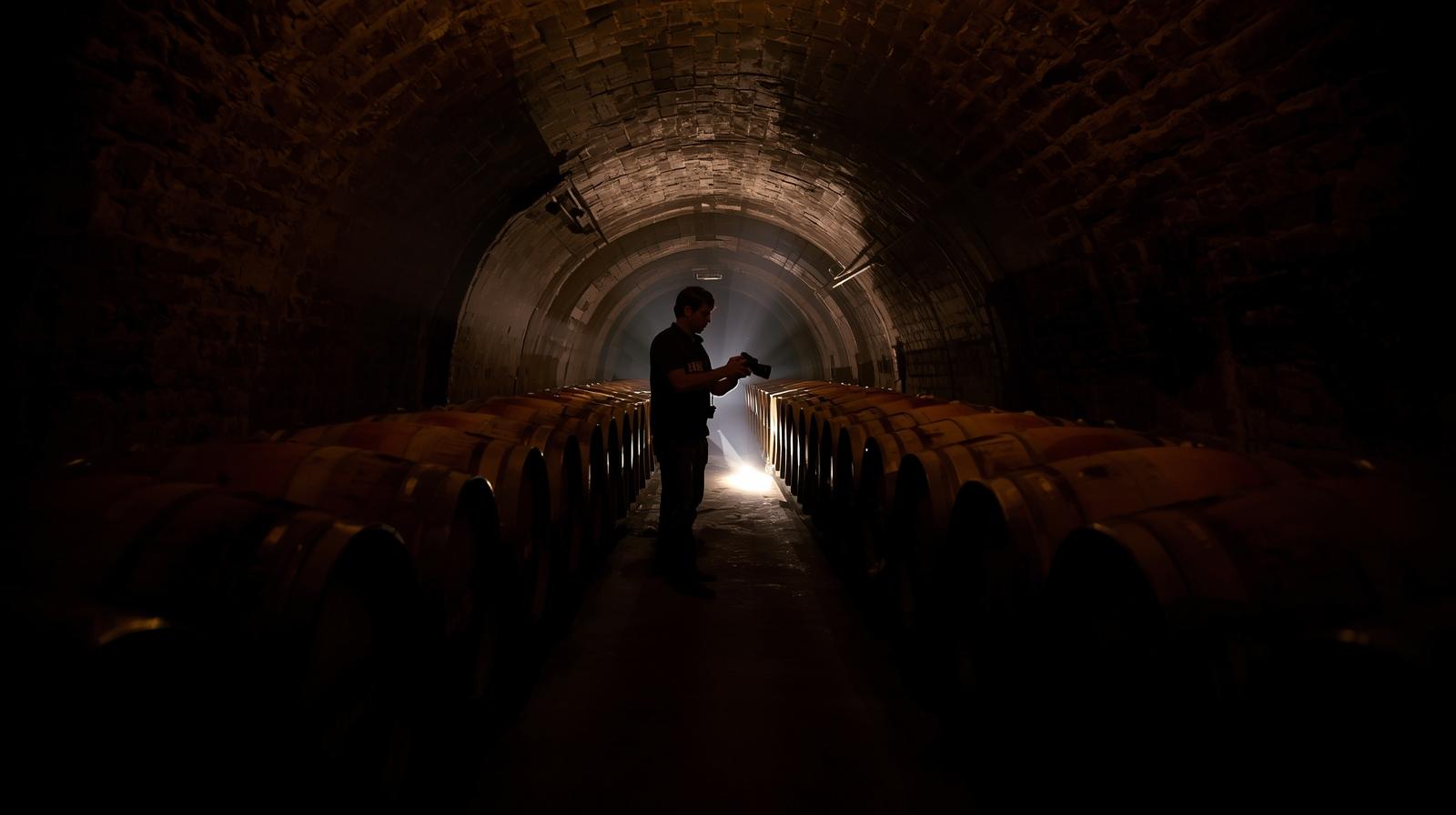
Cave tours on Spring Mountain reveal:
- Barrel depth and aging programs
- Gravity flow production levels
- Subterranean acoustics
Winery construction Napa elements add credibility to digital storytelling Napa Valley projects.
Carneros: Maritime Mood
South near Highway 12, Carneros offers cooler breezes and open hills.
Ideal for:
- Sparkling wine harvest
- Wind movement through vines
- Wide horizon compositions
The marine influence creates texture that differs from mid valley heat.
Designing a Creative Retreat Napa Itinerary
Day One: Agriculture and Production
Sunrise
Silverado Trail in Rutherford. Fog and first light.
Mid Morning
Production tour in Oakville focusing on fermentation and crush season Napa activity.
Afternoon
Vineyard walk documenting canopy management and irrigation systems.
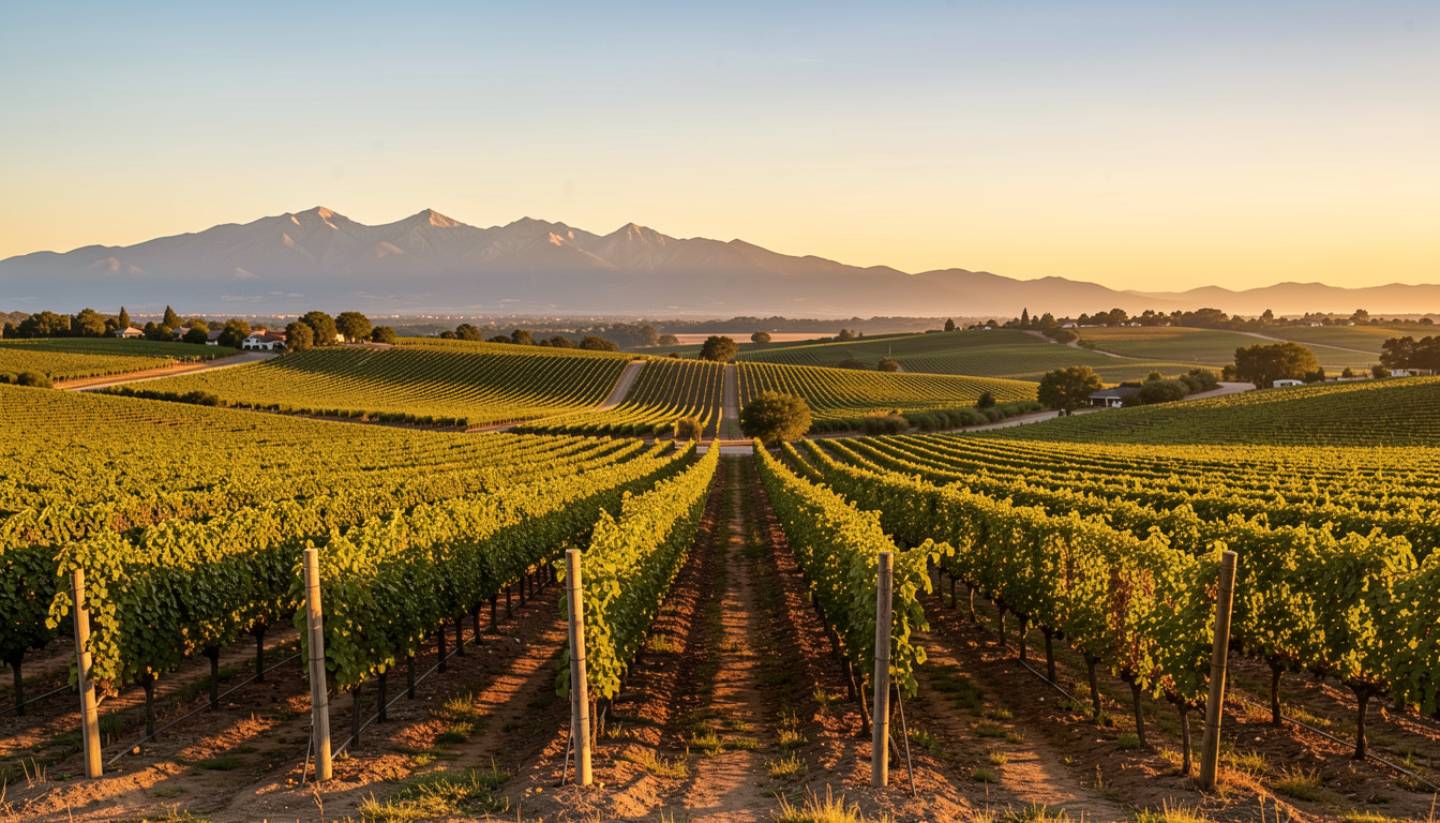
Golden Hour
Benchland Cabernet rows facing west toward the Mayacamas.
Day Two: Hospitality and People
Morning
Bakery prep in St. Helena or downtown Napa.
Midday
Farm to table lunch in Yountville capturing plating and guest experience.
Afternoon
Cave shoot on Spring Mountain focusing on aging and structure.
Evening
Small group dinner capturing conversation, not performance.
What Most Creators Miss
They overshoot beauty and undershoot humanity.
To elevate media travel Napa content:
- Interview vineyard crews during harvest workers Napa season
- Ask winemakers about block specific soil
- Capture bilingual work culture
- Include references to Napa Valley Agricultural Preserve
- Anchor content geographically with Rutherford, Oakville, Yountville, Carneros
Search platforms reward specificity.
Generic wine country content blends together. Napa rooted storytelling stands apart.