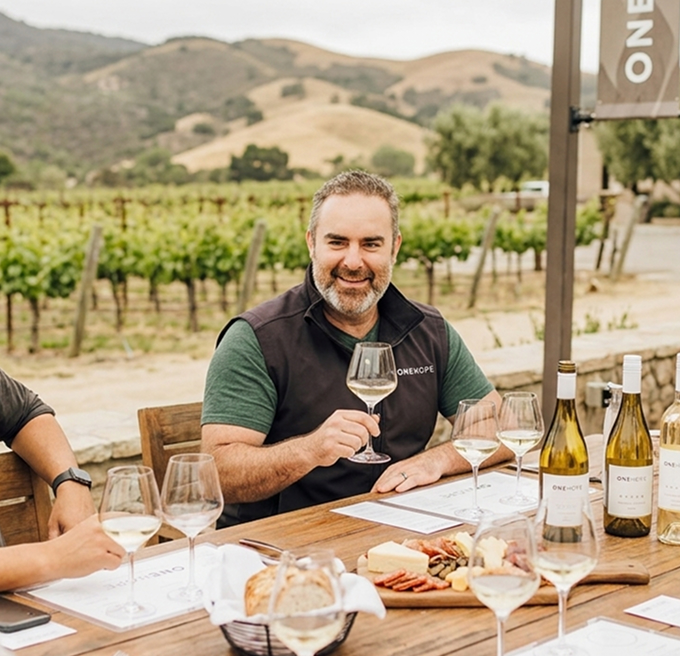
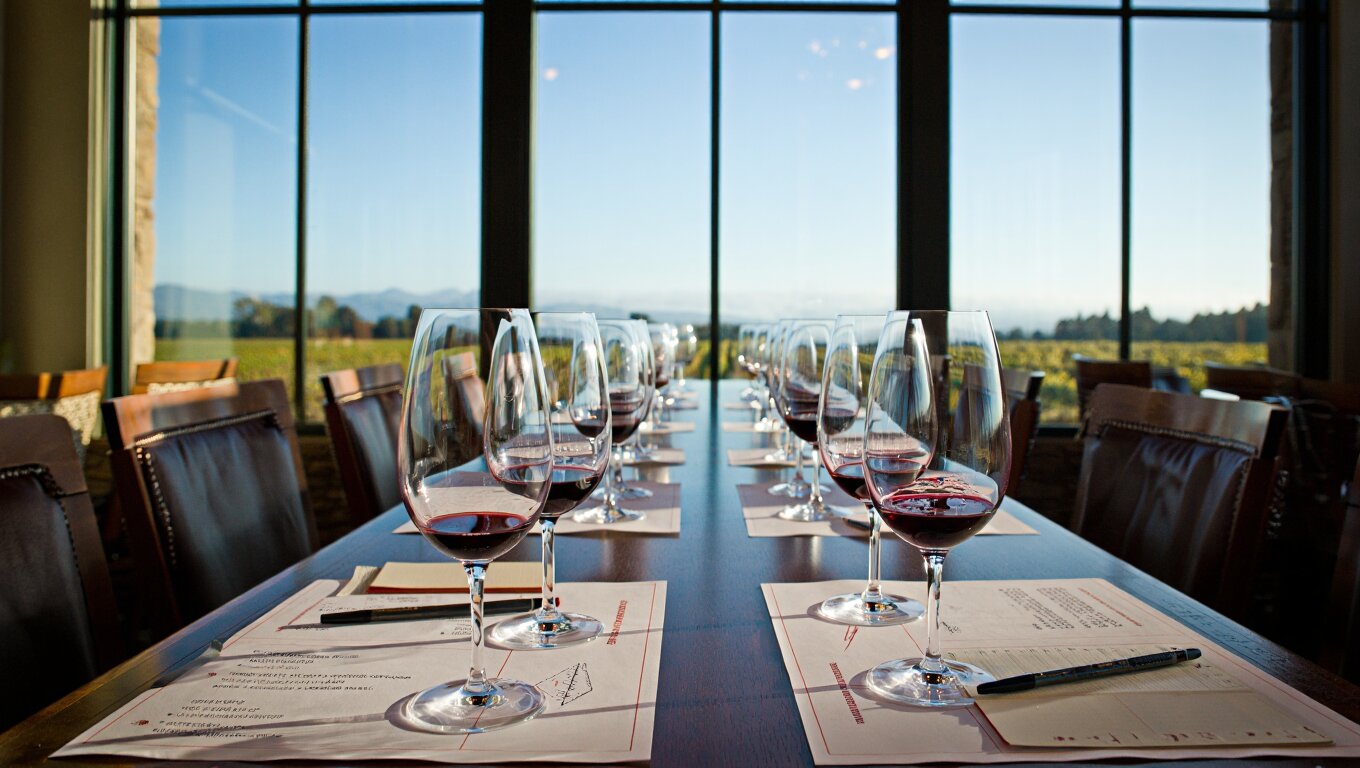
Arrive early to a tasting room in Oakville, before the doors open and before the first Cabernet is poured.
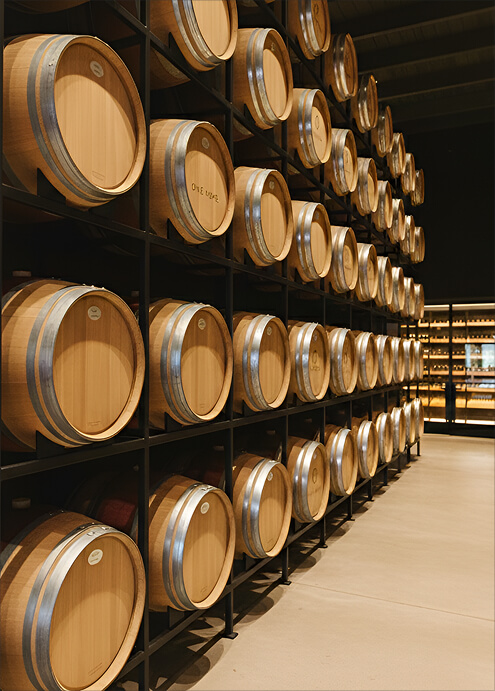
The glass is empty, but already the room is working. Light angles through the bowl. The cellar holds steady around 58 degrees. There is a faint trace of toasted French oak from the previous flight.
This is where sensory training Napa style begins. Not with swirling or descriptors, but with attention.
Napa Valley is often framed as a luxury travel destination. It is. But it is also one of the most concentrated taste science Napa Valley laboratories in the world. Within a 30 mile stretch from Carneros to Calistoga, you can study how fog, elevation, soil chemistry, fermentation choices, and barrel aging shape perception in the glass.
Flavor here is not abstract. It has an address.
What This Experience Is Really About
Taste science Napa Valley style is about isolating variables.
You are not just identifying blackberry or cassis. You are evaluating:
- Acid tension
- Tannin grain
- Alcohol balance
- Aromatic lift
- Finish persistence
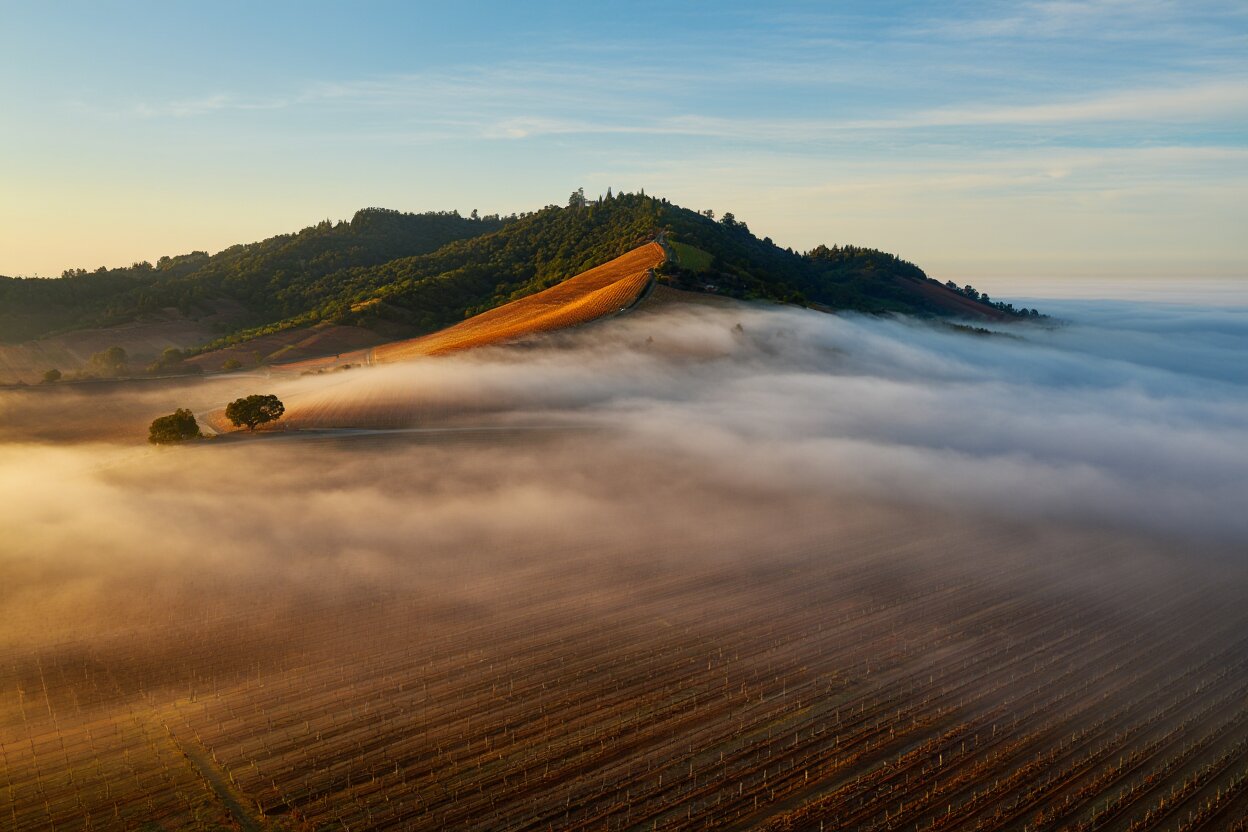
Napa adds something rare. You can physically experience the climate shift before you taste it.
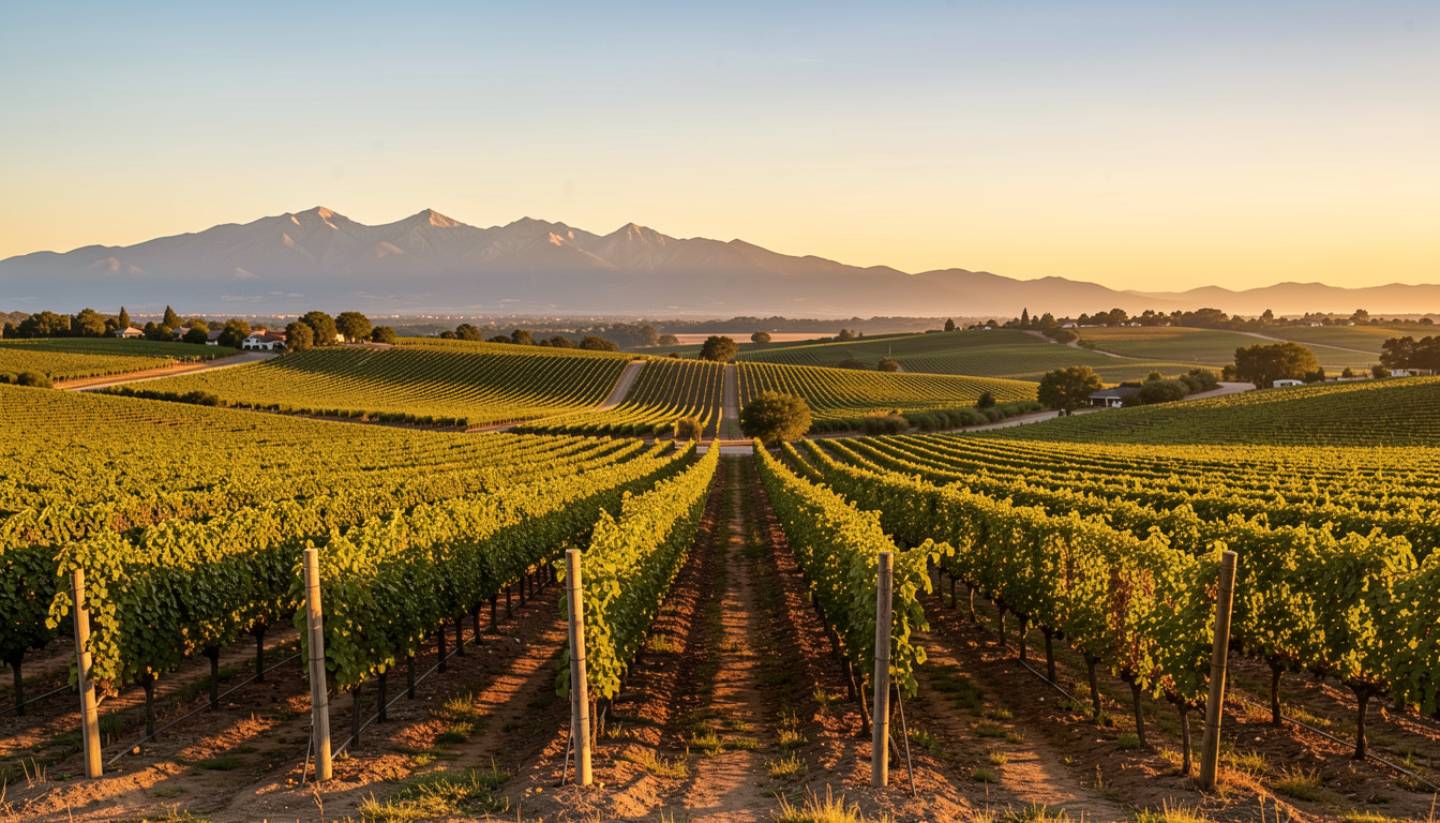
Start your morning in Carneros near Highway 12 where the wind from San Pablo Bay leans the vine trunks sideways. Then drive north up Highway 29 or Silverado Trail and feel the temperature rise as you pass Yountville into Oakville. By the time you reach Calistoga at the base of Mount St. Helena, the heat is tangible.
That gradient is what you taste later in the glass.
A Short Personal Story
Years ago I tasted two Cabernets side by side. One from the Rutherford bench. One from Howell Mountain.
Both legally Napa Valley Cabernet.
The Rutherford wine carried that fine cocoa dust texture people talk about. The tannins felt polished, almost powdery. The mountain wine was firmer, darker, more structured. Same grape. Different elevation, different fog exposure, different stress on the vine.
That tasting shifted how I host guests. At Estate 8, I often ask people to forget the tasting sheet and start with one question: Where do you feel the wine in your mouth? Sensory confidence begins when you trust your own perception.
I am biased. This valley is my home and my work. But nowhere else have I seen geography so clearly translated into flavor.
The Science Behind Napa Flavor
1. AVA Isolation and Terroir
Napa Valley contains sixteen sub AVAs. Each has distinct soil composition and climate influence.
- Carneros: Maritime cooled, higher natural acidity, citrus and red fruit profiles
- Rutherford: Gravelly alluvial soils, structured but refined tannins
- Oakville: Balanced heat and cooling, classic Cabernet structure
- Howell Mountain: Above 1400 feet, more UV exposure, thicker skins, firmer tannins
Comparative AVA tastings are foundational to sensory training Napa programs.
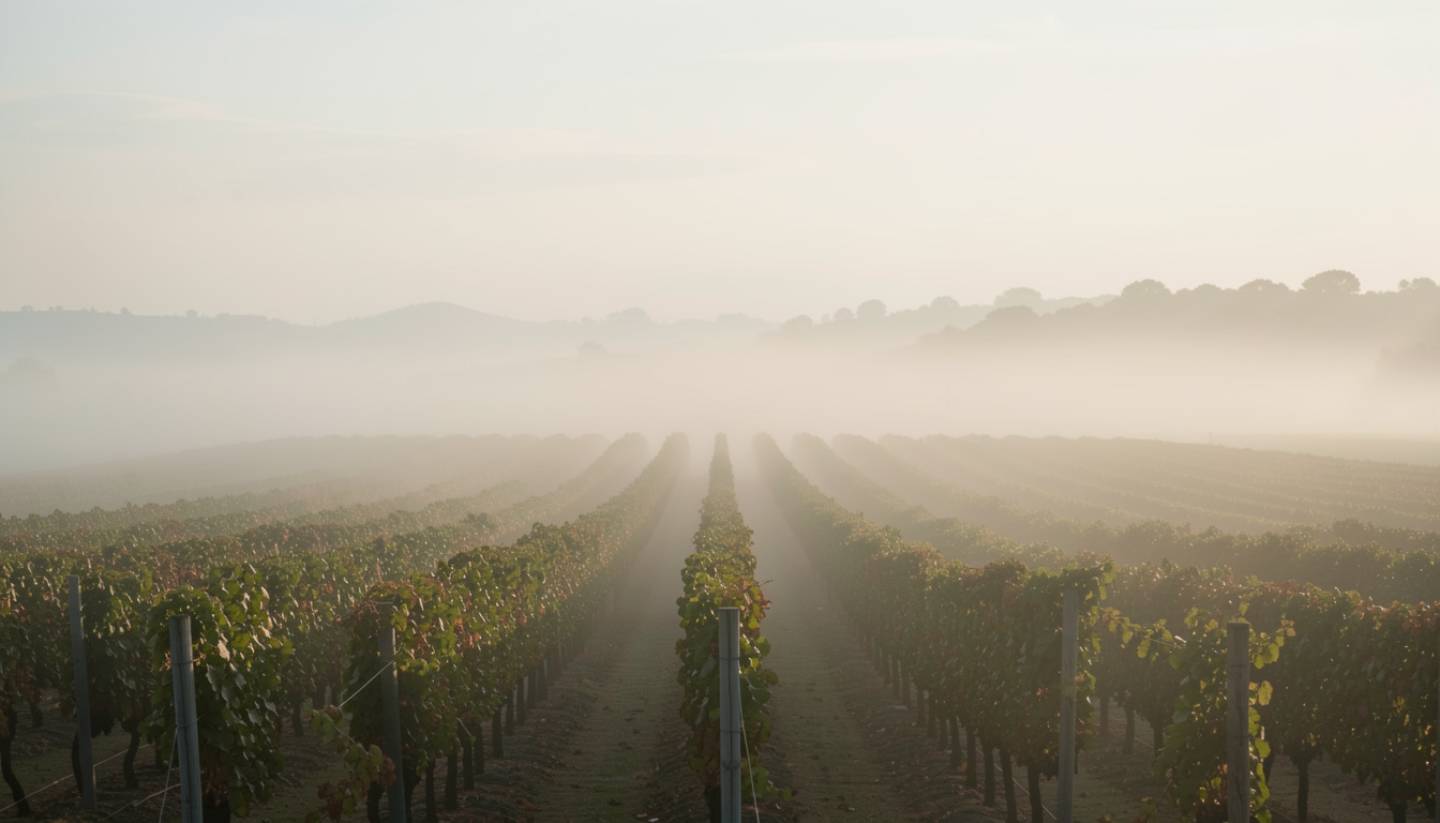
Local directional cue: If you are driving north on Silverado Trail and the fog still pools on the valley floor while the hillsides are clear, you are witnessing the boundary that shapes those differences.
2. Fermentation and Primary Aromas
During harvest along Silverado Trail, the air carries the scent of active fermentation. Esters, yeast activity, warm fruit.
Ask your host if you can observe a pump over during crush season. The aroma rising from an open fermenter is one of the most vivid aroma training wine country experiences available.
Harvest September through October is the most aromatic time in Napa.
3. Oak, Aging, and Texture
Wine sensory analysis Napa style includes understanding barrel impact.
- French oak contributes cedar, clove, and structural integration
- American oak often expresses vanilla and sweeter spice
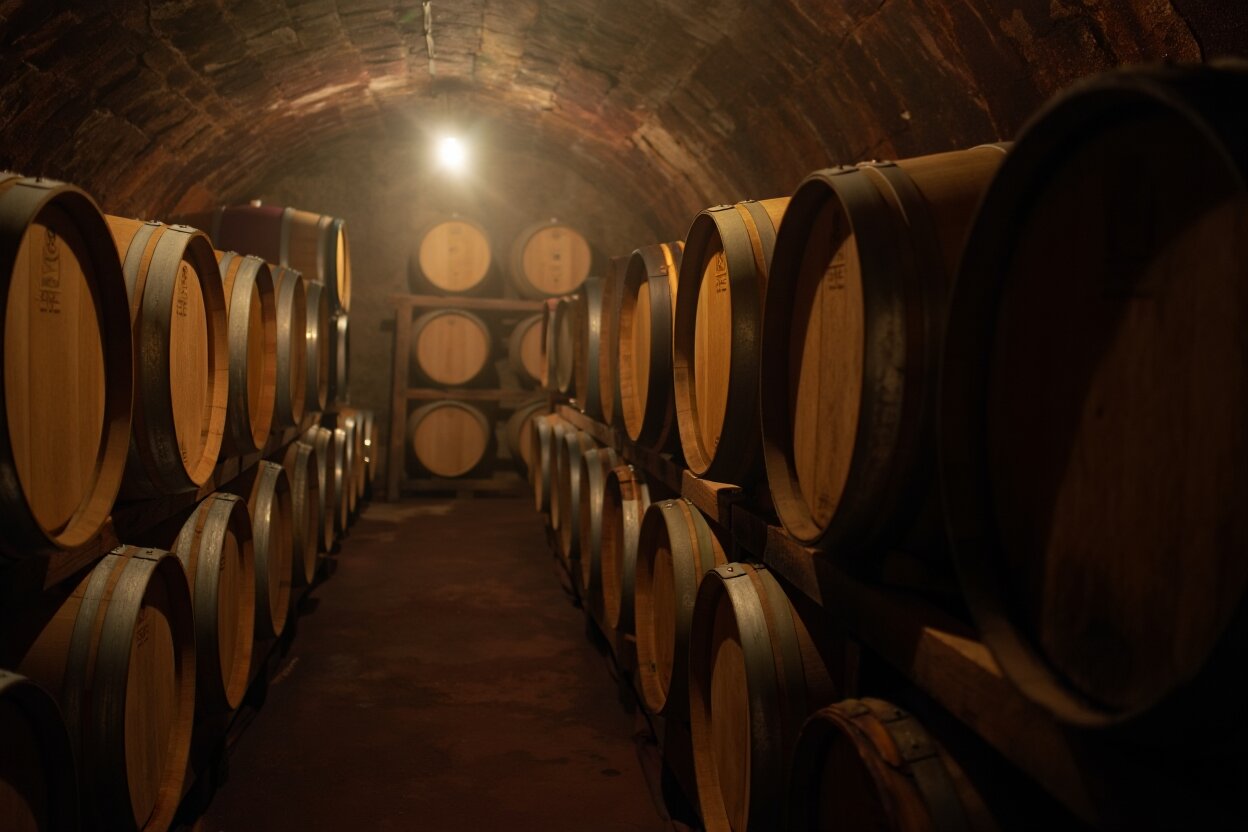
- Cave aging, common on Spring Mountain and Atlas Peak, provides stable humidity that influences evaporation and tannin evolution
When you tour a barrel room in Rutherford or St. Helena, pay attention to temperature, humidity, and airflow. Engineering shapes aroma just as much as soil.
A Sensory Focused Napa Itinerary
One Day Calibration
Morning
Blind tasting workshop at Napa Valley Wine Academy in Downtown Napa.
Midday
Seated educational Cabernet tasting in Rutherford. Focus on tannin texture and mouthfeel.
Afternoon
Drive north on Silverado Trail. Notice fog retreating as you pass Oakville Cross Road. Observe vegetation changes as you approach Calistoga.
Evening
Single winery visit in Calistoga or a hillside AVA. Compare structure and weight to the earlier tasting.
Limit yourself to one or two focused tastings. Depth over volume prevents palate fatigue.
Weekend Deep Study
Day One
Carneros cool climate comparison in the morning.
Oakville benchland study in the afternoon.
Day Two
Howell Mountain or Atlas Peak hillside tasting.
Barrel room session focused on oak and aging variables.
Stay in Yountville or St. Helena for central access to both valley floor and hillside AVAs.
One Note on Hospitality
When we designed Estate 8, we thought about how a room shapes perception. Lighting, temperature, acoustics. Sensory training Napa is not only about the wine but about the environment in which it is tasted.
I will admit I am biased. It is my baby. But thoughtful hospitality creates a controlled environment for honest perception. When the distractions fade, flavor becomes clearer.