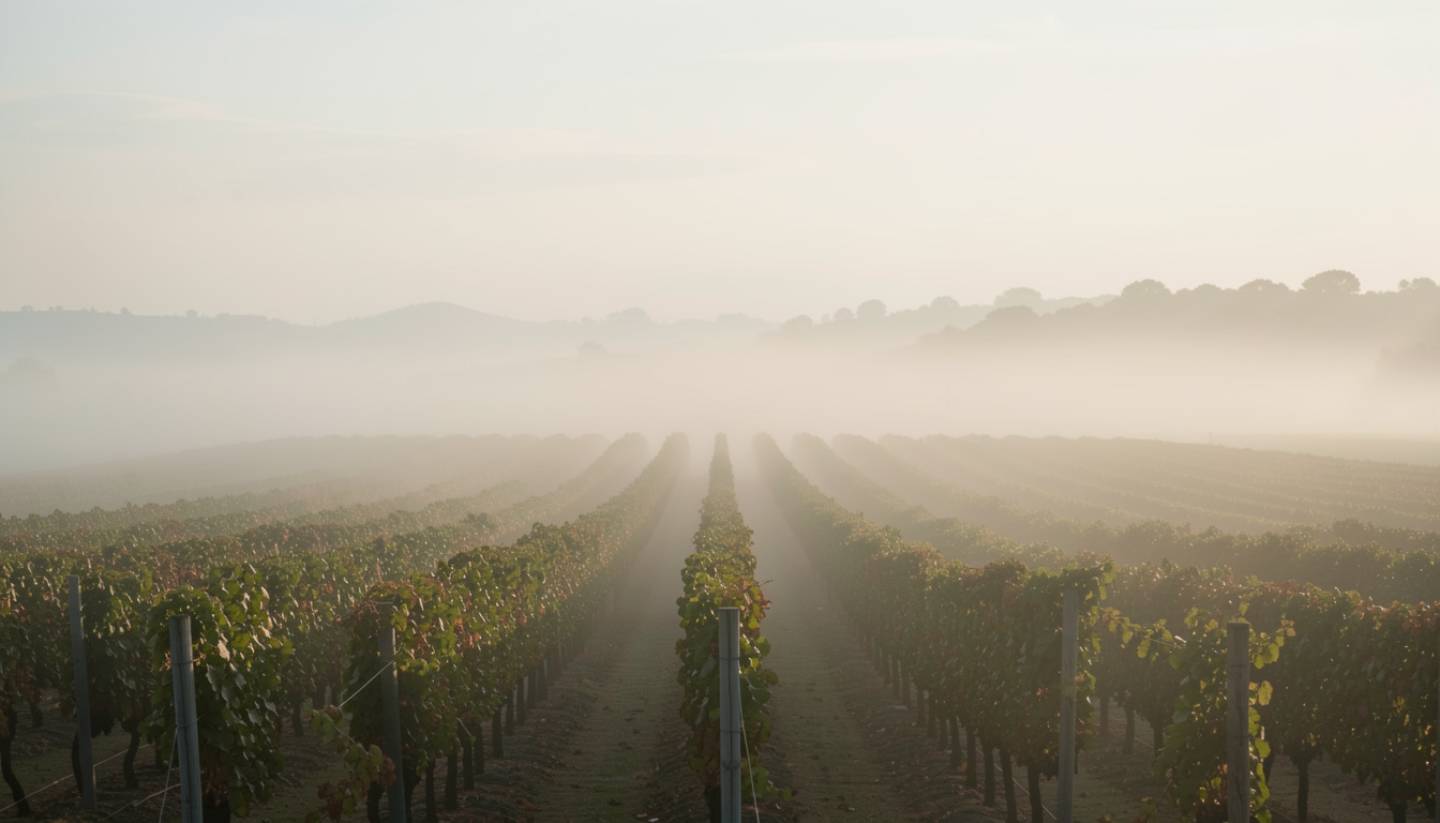
Stand in a vineyard in Rutherford in late August and you can feel the shift.
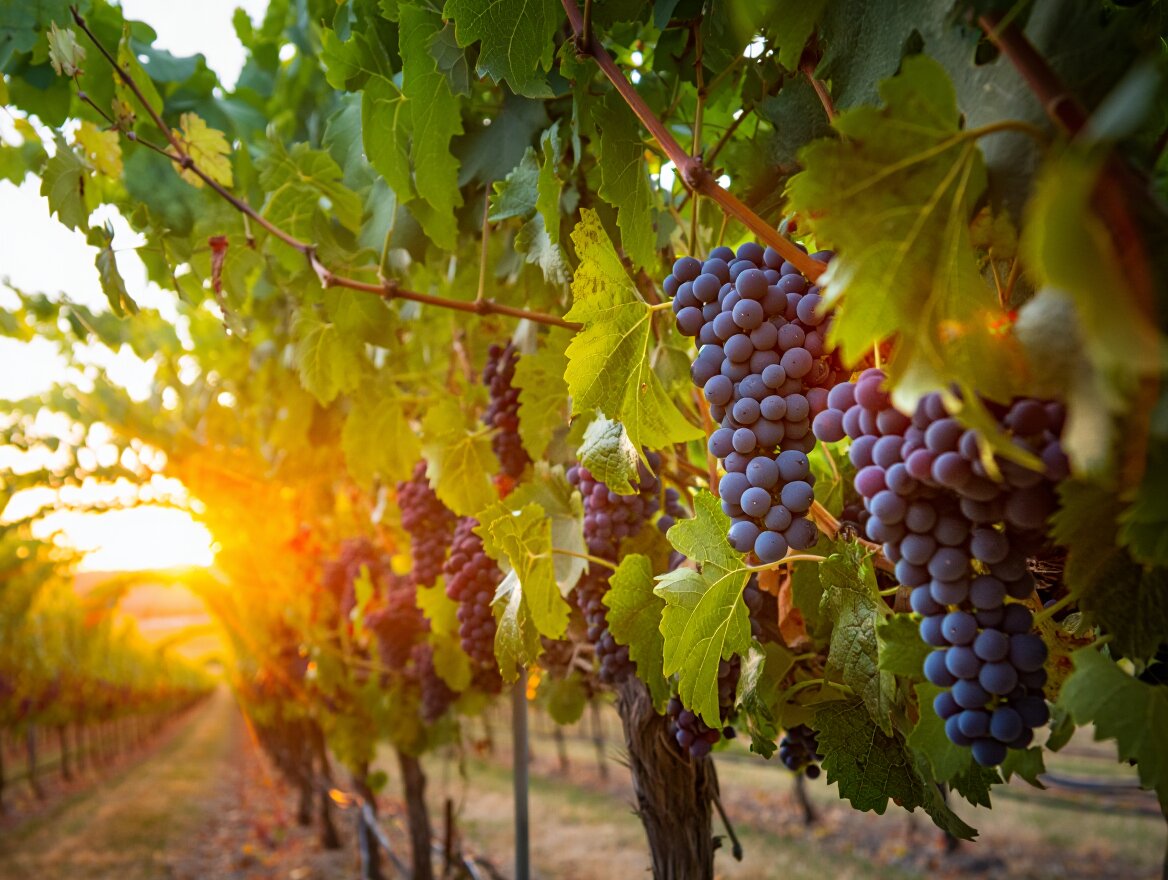
The heat lingers longer over the benchlands. Crews pull samples earlier in the week. Brix numbers climb fast. Irrigation timing is no longer routine, it is surgical. On Silverado Trail before sunrise, you will see vineyard managers walking rows with moisture probes in hand, studying leaves the way a physician studies a pulse.
Climate resilience Napa style is not a talking point. It is daily agriculture.
I grew up watching this valley measure time in harvests. What has changed is not our commitment, but the variables. Fire seasons stretch. Rain comes in bursts instead of steady patterns. The future of Napa wine now depends on adaptation layered on top of tradition.
If you are exploring climate resilience Napa agriculture, this 30 mile corridor from Carneros to Calistoga is one of the most advanced real world classrooms in the country.
What This Experience Is Really About
Regenerative viticulture Napa style is not just organic certification. It is biological strategy.
The goal is to build a vineyard that can buffer stress.
That means:
- Cover crops that increase soil organic matter and hold water
- Compost programs that restore microbial life
- Precision irrigation monitored by soil sensors
- Shifting row orientation to protect fruit from western sun
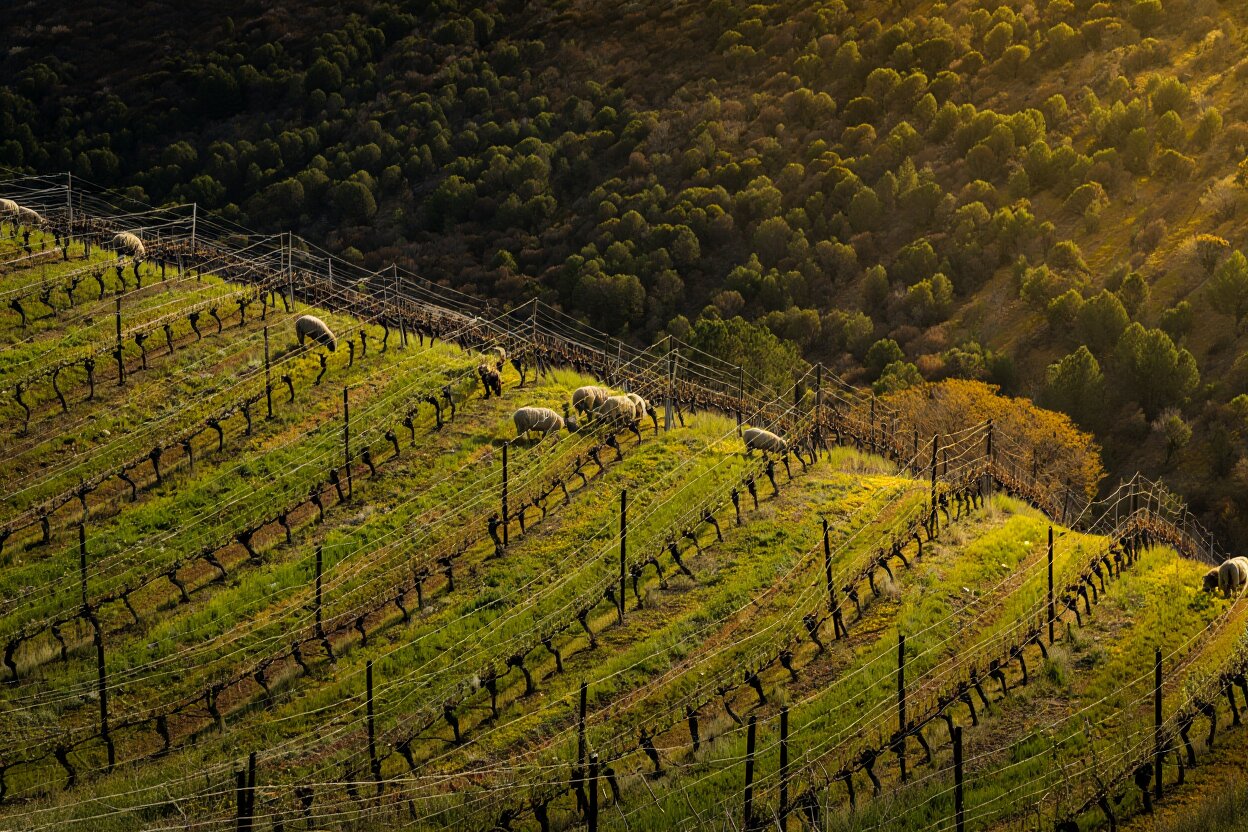
- Grazing programs that reduce wildfire fuel loads
Ten years ago, most tasting room conversations centered on terroir and barrel programs. Today, serious producers speak just as fluently about carbon sequestration and evapotranspiration rates.
Climate resilience Napa is not about abandoning Cabernet. It is about protecting it.


A Short Personal Story
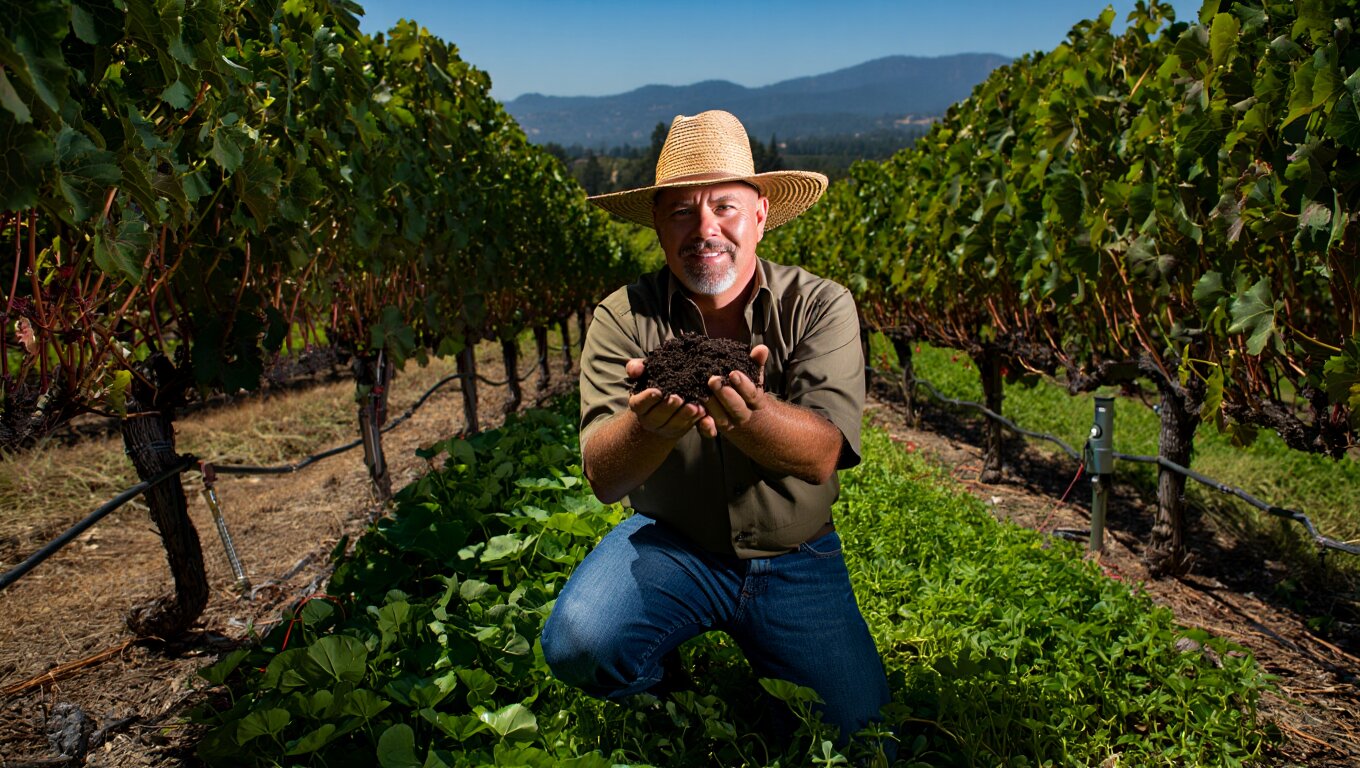
One afternoon after a brutal heat spike, I walked a hillside block just east of the Silverado Trail. The leaves had begun to cup slightly, shielding the clusters from direct sun. The vineyard manager knelt down, picked up a handful of soil, and squeezed it.
“It’s holding,” he said. “That cover crop did its job.”
That moment stuck with me.
At Estate 8, climate resilience conversations are not abstract. They shape planting decisions, water infrastructure, and long term planning. I am biased. It is my baby. But I have learned this: in Napa, if the soil weakens, everything else eventually follows. Hospitality, brand, reputation. The land always tells the truth.
The Geography of Climate Resilience Napa
Rutherford and Oakville: The Benchland Laboratory
The western benchlands between Highway 29 and the Mayacamas foothills are known for gravelly, fast draining soils.
In hotter vintages, that drainage can become a liability without regenerative practices.
Look for:
- Green alleys between vine rows rather than bare dirt
- Mulch retention to cool the root zone
- Canopy “flop” techniques to shade Cabernet clusters
- Soil moisture probes installed discreetly near vine trunks
Local cue: Drive Oakville Cross Road mid morning. Notice which vineyards maintain ground cover even in late summer. That is resilience in practice.
Carneros: The Maritime Safety Valve
At the southern mouth of Napa Valley, Carneros receives cooling breezes off San Pablo Bay.
As mid valley temperatures climb, Carneros becomes increasingly strategic for preserving acidity in Chardonnay and Pinot Noir.
This is climate resilience Napa through AVA diversification.
If you are planning a visit, schedule a tasting in Carneros after exploring Rutherford. The contrast in wind, light, and temperature tells the story physically.
Spring Mountain and Atlas Peak: Elevation and Fire Strategy
Higher elevation vineyards benefit from stronger diurnal shifts. Warm days, cool nights.
But forest proximity increases fire exposure.
Resilience here includes:
- Defensible space clearing
- Sheep and goat grazing to reduce ladder fuels
- Strategic water storage
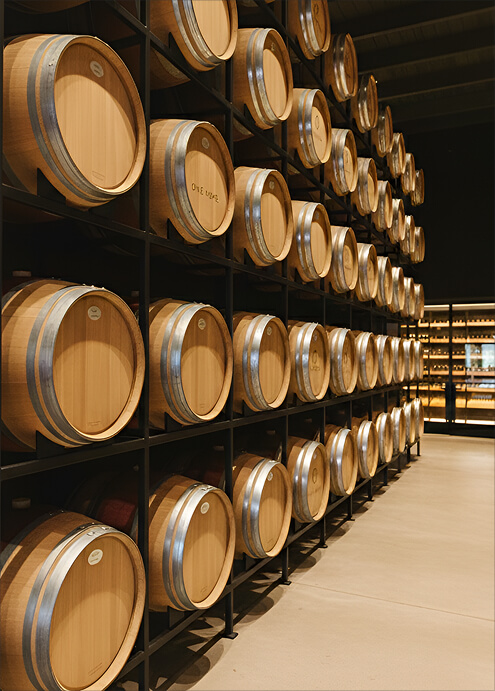
- Cave storage for natural temperature stability
Ask any hillside producer about post fire protocols and smoke monitoring. The answers will be detailed and disciplined.
Downtown Napa and the River
Climate resilience Napa extends beyond the vineyard rows.
The Napa River Flood Protection Project reshaped Downtown Napa to handle extreme rainfall while restoring wetlands.
Walk along the river near Oxbow Public Market. What looks like a peaceful waterfront is actually engineered resilience.
What Most Visitors Miss
Visitors taste vintages. They photograph vine symmetry. They rarely notice:
- The shift in harvest timing compared to a decade ago
- Rootstocks selected for drought tolerance
- Solar arrays offsetting cellar energy
- Wastewater treatment systems reused for irrigation
If you want deeper understanding, ask your host:
- How has your harvest date shifted in the last ten years?
- Are you dry farming any blocks?
- What percentage of your acreage is Napa Green certified?
- How are you planning for 2035?
Specific questions unlock meaningful dialogue.
A Climate Resilience Napa Itinerary
One Focused Day
Morning
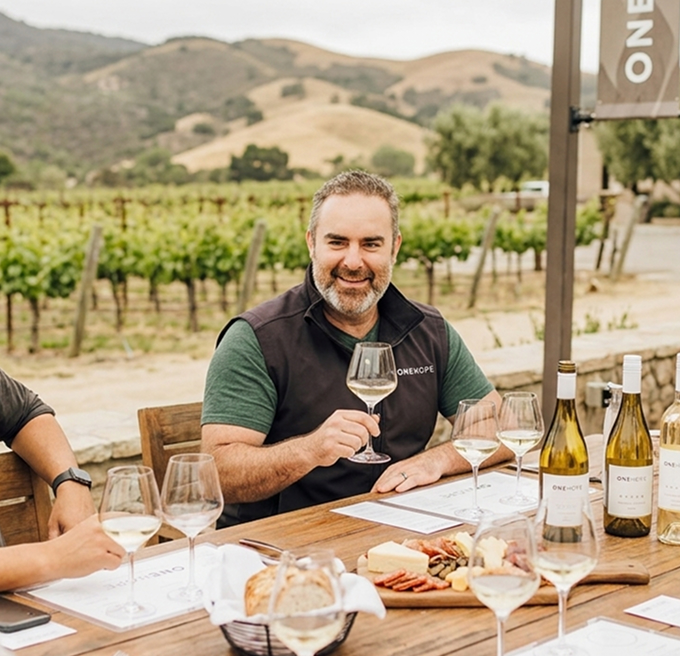
Visit a Napa Green certified winery in Rutherford. Request a vineyard walk, not just a tasting.
Lunch
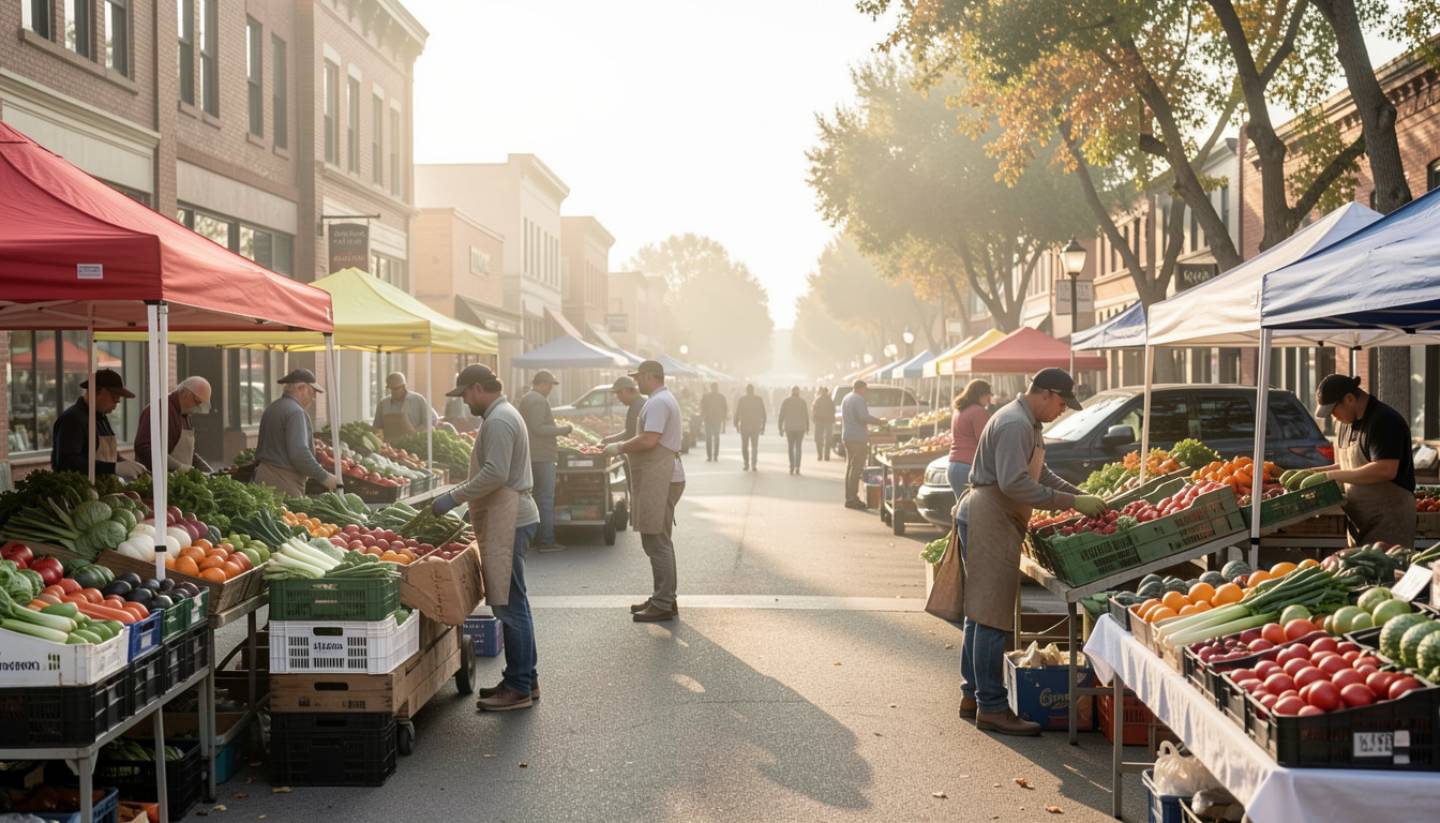
St. Helena farm driven restaurant sourcing locally. Notice how chefs adjust menus seasonally based on heat driven harvest timing.
Afternoon
Hillside estate on Spring Mountain. Ask about fire mitigation and cave storage engineering.
Evening
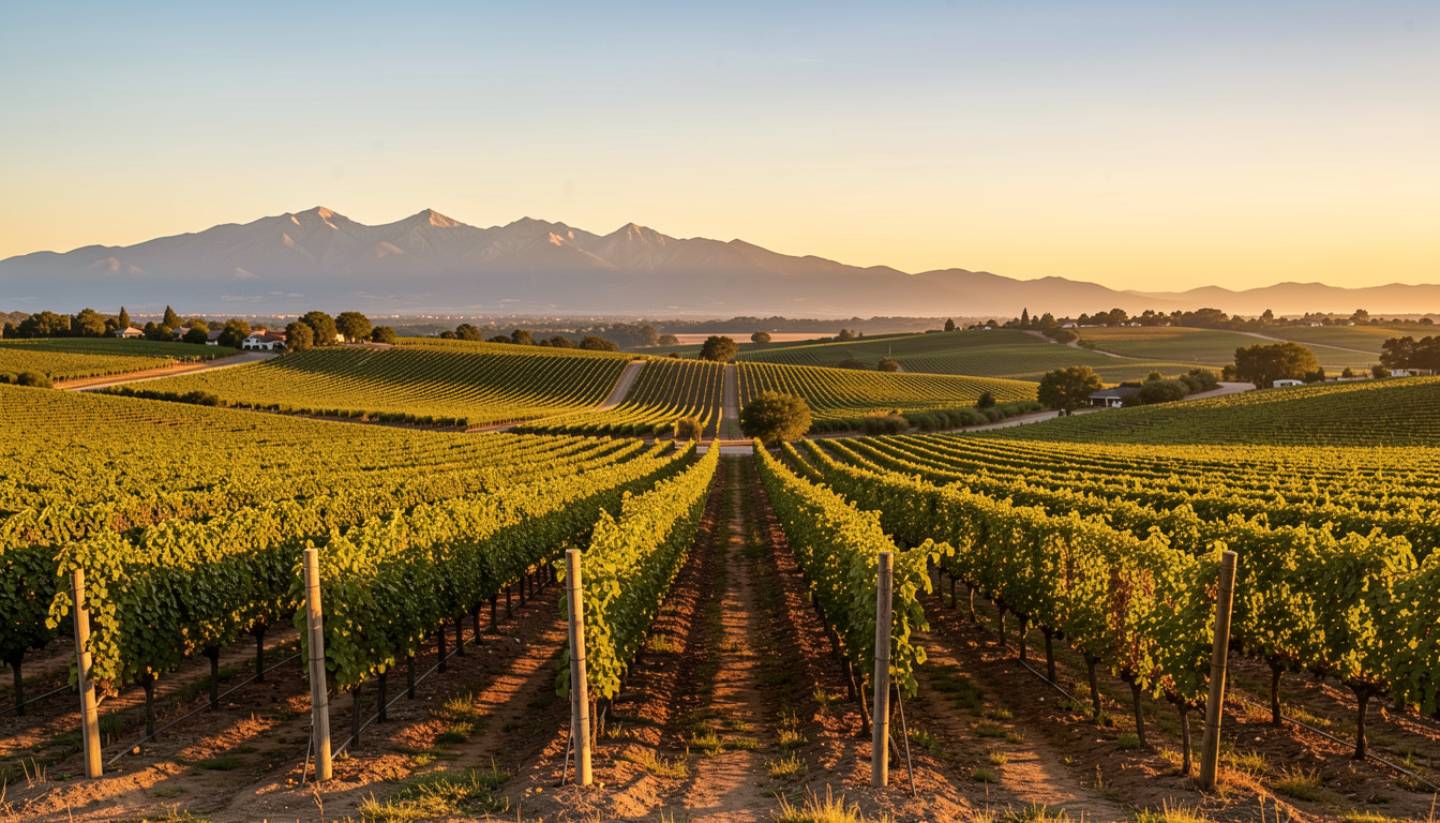
Drive Silverado Trail at golden hour. Study canopy structure and row orientation as light hits from the west.
Weekend Deep Dive
Day One
Carneros cool climate vineyard tour.
Downtown Napa river walk to understand flood resilience planning.
Day Two
Rutherford regenerative viticulture estate visit.
Oakville production tour focused on water recycling systems.
Travel midweek for longer, more technical conversations.