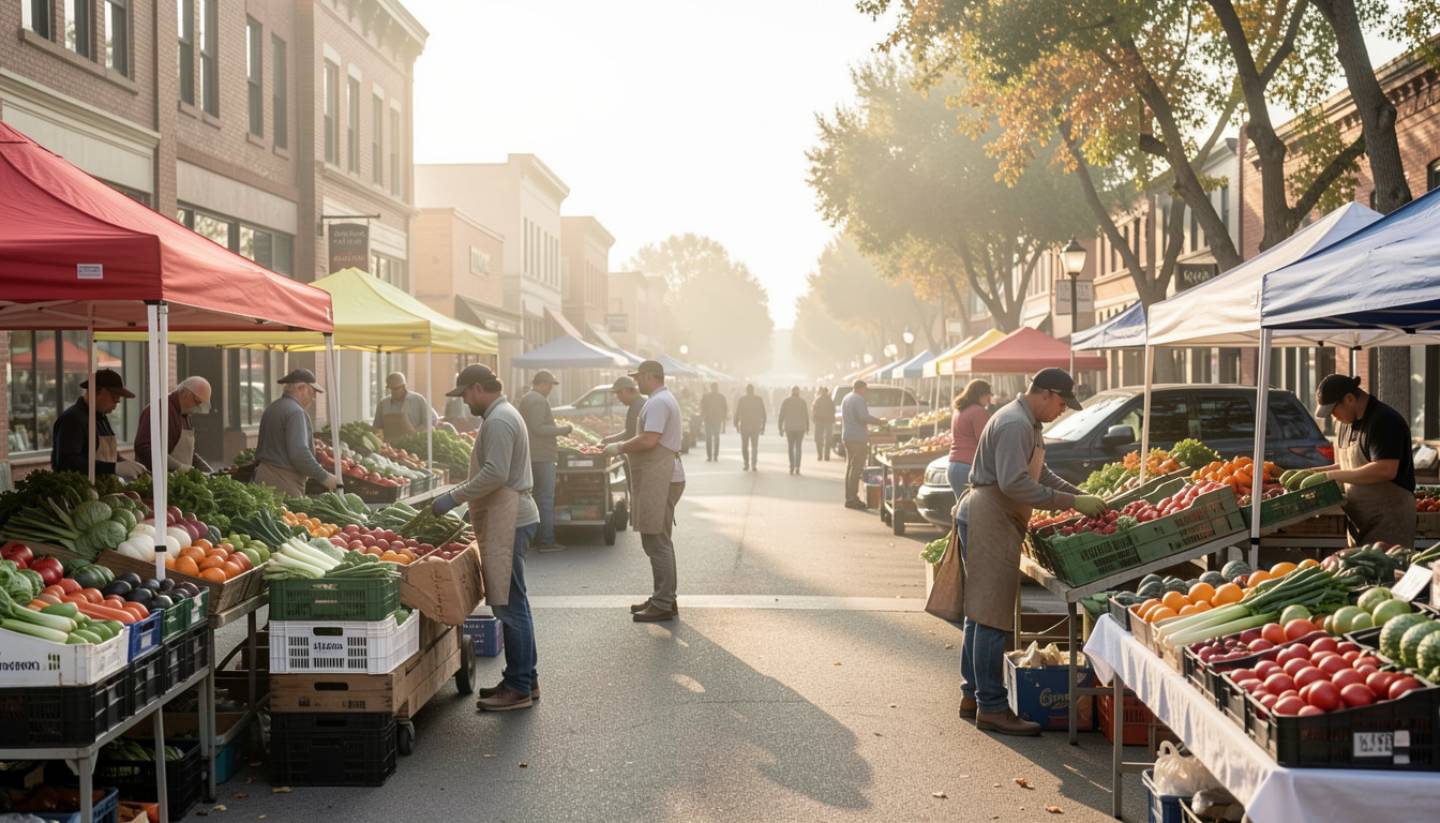
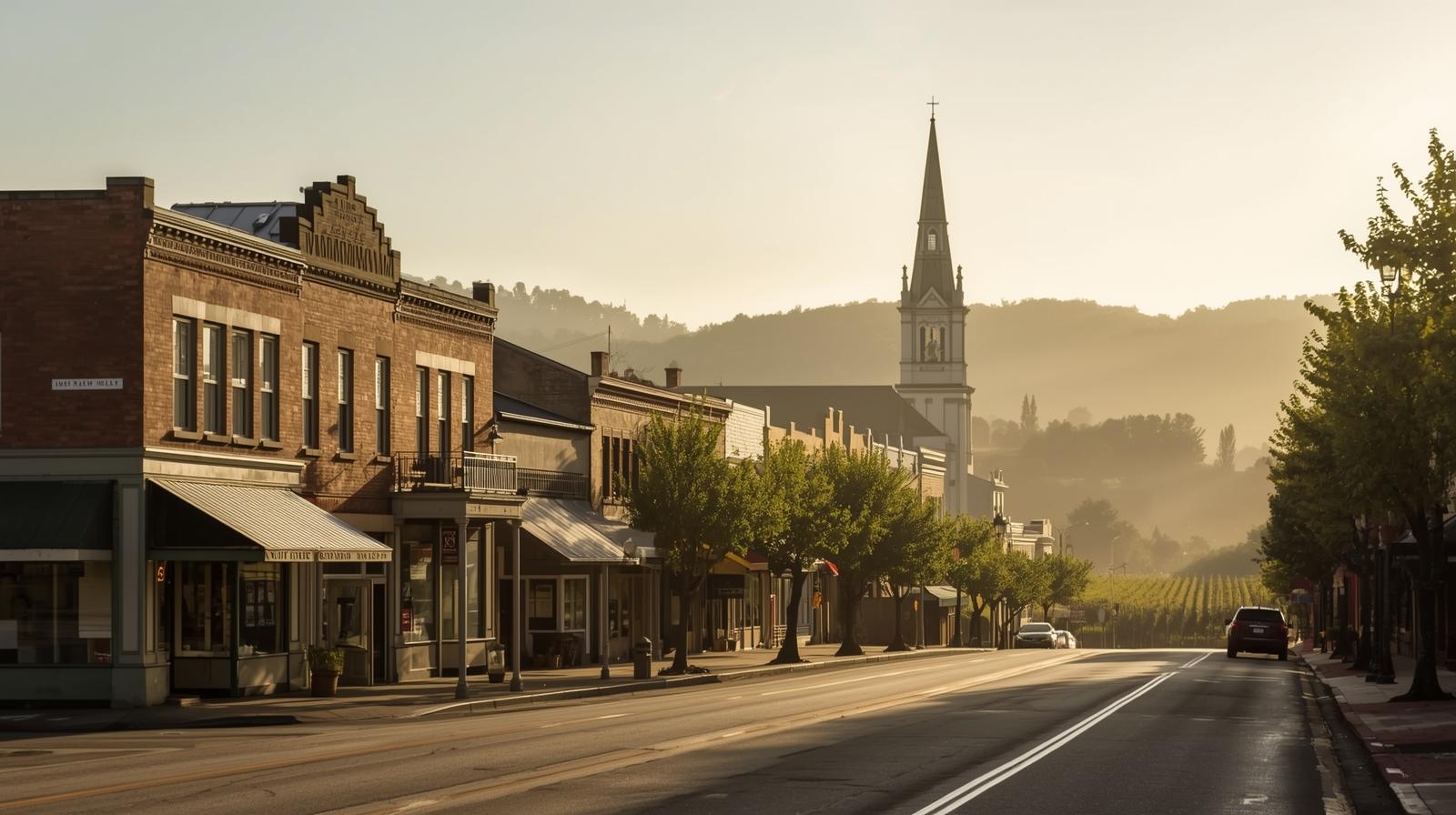
Stand on Main Street in St. Helena just after sunrise, before the boutiques open and before Highway 29 begins its steady hum.
You can feel it.
Not nostalgia. Continuity.
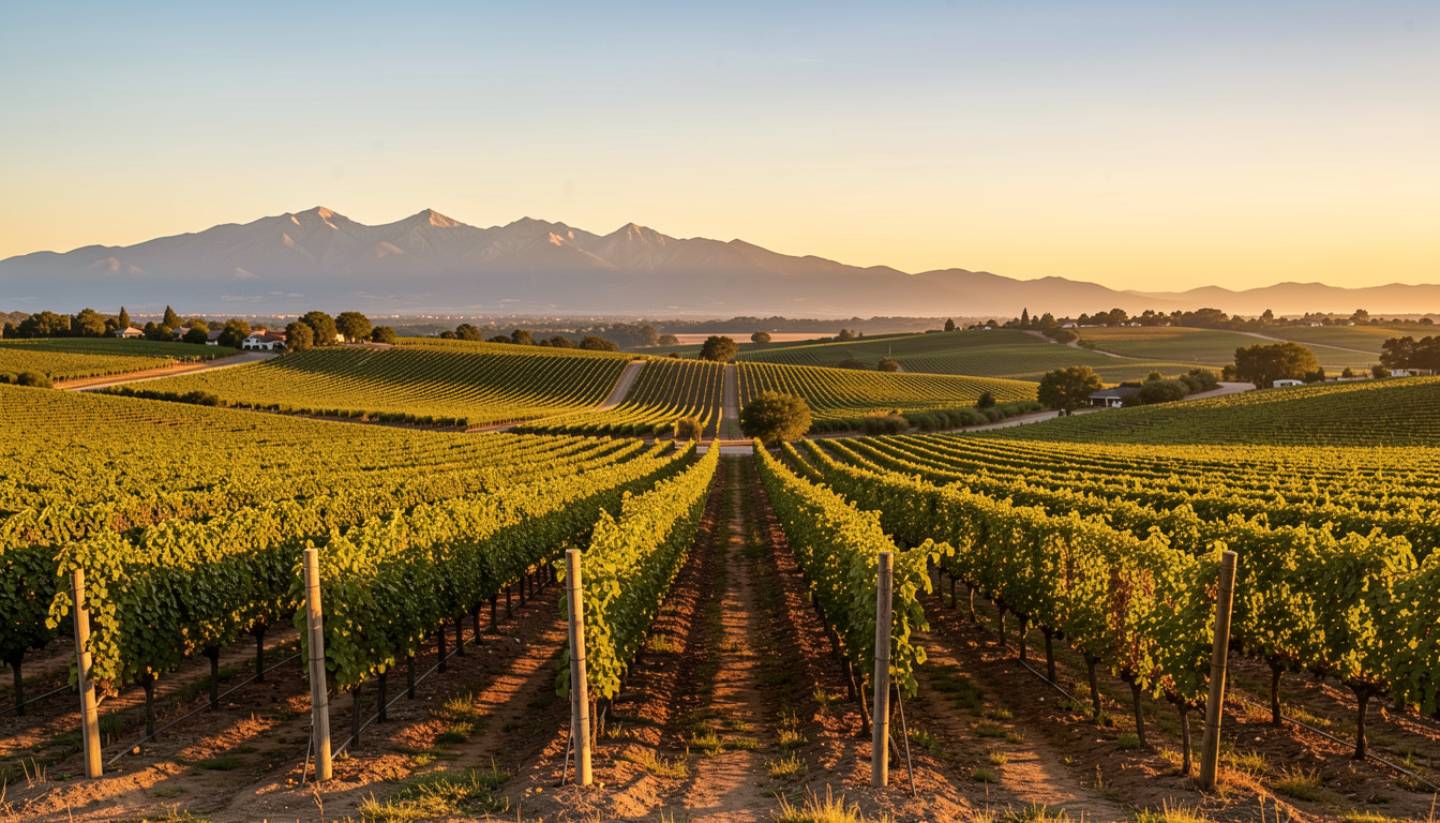
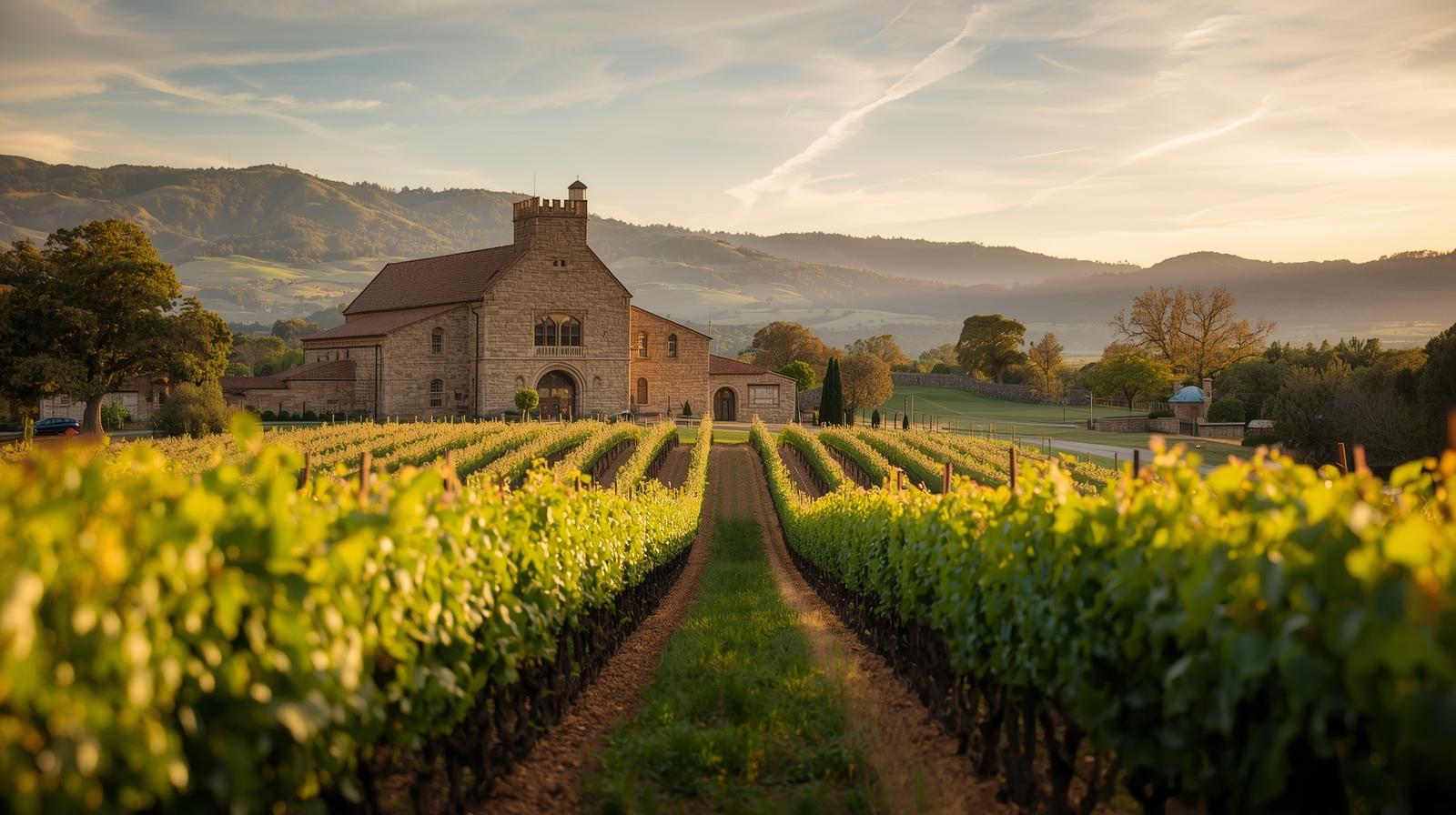
The brick storefronts. The Catholic church bells. The way vineyard rows press right up against town limits instead of giving way to subdivisions. From Yountville to Calistoga, Napa Valley remains agricultural in a way few globally recognized wine regions have managed to preserve.
Napa did not stay Napa by accident.
Cultural preservation Napa Valley style is the result of deliberate policy decisions, multigenerational families, and a community-wide commitment to protecting land use. The 1968 Napa Valley Agricultural Preserve protected more than farmland. It protected identity.
As someone who grew up here and now builds here, I’ve learned that preserving Napa Valley history and traditions is less about freezing time and more about guiding it forward carefully.
Where to experience Napa Valley history and traditions:
- St. Helena: Historic Main Street and agricultural backbone
- Rutherford & Oakville: Pre-Prohibition estates and benchland heritage
- Calistoga: 19th-century geothermal spa culture
- Downtown Napa: Riverfront industry turned culinary district
Best Season for Heritage Travel Napa
January through March, known locally as Mustard Season, offers fewer crowds and more time for meaningful conversations with hosts and long-time residents.
Harvest season (September–October) offers living cultural context, especially vineyard labor traditions.
What This Experience Is Really About: Structural Heritage
Cultural preservation in Napa is operational, not decorative.
It exists in zoning codes. In the 40-acre minimum parcel requirement that keeps farmland intact. In the Spanish spoken during harvest. In the fact that you can drive Highway 29 from Yountville through Rutherford without passing shopping centers.
Heritage travel Napa style means looking beyond luxury tasting rooms and understanding the policies and people that protect what you see.
A Short Personal Story
When I was younger, I used to drive north of St. Helena past the old stone wineries and think they were just beautiful buildings.
Now I understand what they represent.
Many of those estates survived Prohibition by producing sacramental wine or selling grape bricks for home fermentation. They endured economic crashes, wildfires, and market shifts because the community refused to let the land become something else.
At Estate 8, every new chapter has to respect the ink that came before it. You cannot build here without acknowledging the shoulders you stand on.
The Layers of Cultural Heritage Napa
1. The 1968 Napa Valley Agricultural Preserve
Established by the Napa County Board of Supervisors, the Agricultural Preserve restricted subdivision and urban sprawl.
Key Impact:
- Maintained agricultural land between towns
- Preserved vineyard continuity from Carneros to Calistoga
- Elevated long-term land stewardship
Directional Cue:
Drive Highway 29 north from Yountville to St. Helena. Notice the uninterrupted vineyard corridor and limited commercial intrusion. That is policy at work.
Internal Link Opportunity: See our guide to [Napa Valley Wine Law and Regulation].
2. Historic Wineries Napa: The Ghost Wineries
“Ghost wineries” refer to estates built before Prohibition (1860–1920) that later fell dormant and were eventually restored.
Notable examples:
- Charles Krug (founded 1861)
- Far Niente
- Hall Rutherford
- Schramsberg (historic caves dating to the 1800s)
Look for:
- Hand-cut stone masonry
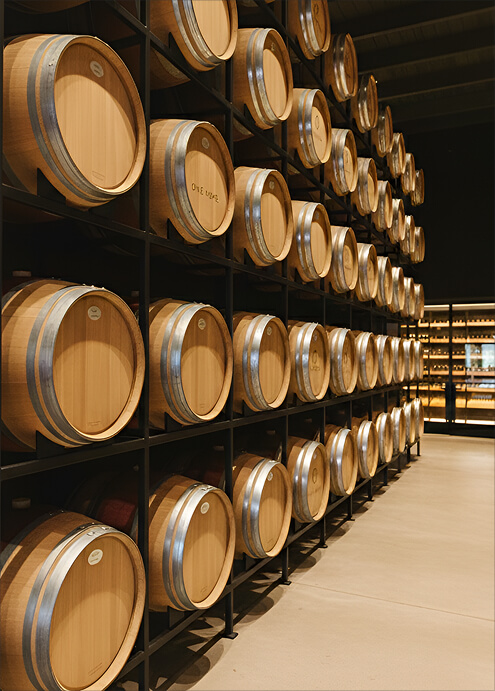
- Redwood fermentation tanks
- Hand-dug caves
- Gravity flow architecture
Directional Cue:
Between Rutherford and St. Helena, look west toward the Mayacamas foothills for stone structures partially hidden among trees.
3. Immigrant and Labor Heritage
Napa Valley cultural heritage includes:
- Italian and Portuguese farming families
- Chinese laborers who built early infrastructure
- Mexican vineyard workers who remain the backbone of harvest
Farm-to-table did not begin as a marketing slogan. It began in family gardens and shared meals after long days in the vineyard.
To see living heritage:
- Visit Oxbow Public Market in downtown Napa
- Explore family-owned taquerias in Napa and Calistoga
- Attend harvest events in September
Internal Link Opportunity: See our guide to [Napa Valley Harvest Workers and Labor Culture].


4. Calistoga: The Geothermal North
Calistoga’s heritage is distinct.
Before wine defined the region, geothermal mud baths and hot springs drew visitors in the 19th century. The town still reflects that “Old West” spa culture.
Directional Cue:
Drive north past Deer Park Road. You will feel the valley narrow and warm as you approach Mount St. Helena. The terrain becomes more rugged. The heritage shifts from agricultural heartland to frontier wellness town.

A Heritage-Focused Napa Itinerary
Morning: Historic Main Street
Walk St. Helena’s Main Street. Visit long-standing bakeries and family-owned shops. Observe preserved storefront architecture.
Midday: Pre-Prohibition Estate Tour
Book a tour at a historic winery in Rutherford or St. Helena. Ask directly:
- How did this estate survive Prohibition?
What original structures remain?
Afternoon: Calistoga Heritage
Visit the Calistoga Depot or experience a traditional mud bath. Notice how the geothermal story predates modern wine tourism.
Evening: Downtown Napa Riverfront
Walk along the Napa River near First Street. Observe the blend of historic industrial buildings and modern culinary spaces.
Internal Link Opportunity: Explore [Napa Valley Family Business and Generational Estates].
Missing Visitor Questions Answered
How far apart are these heritage towns?
From Yountville to St. Helena: approximately 20 minutes by car.
From St. Helena to Calistoga: 15 minutes north on Highway 29.
The entire valley from Carneros to Calistoga spans about 30 miles.
Can I walk between historic sites?
St. Helena and Yountville are walkable town centers. Rutherford and Oakville require driving between estates.
Is cultural preservation visible year-round?
Yes, but it is most apparent:
- During Mustard Season (Jan–March) when vineyard cover crops bloom
During Harvest (Sept–Oct) when labor traditions are most visible
Are family-owned wineries common?
Yes. Many estates in Oakville, Rutherford, and St. Helena remain family operated across multiple generations.
Final Perspective
Cultural heritage Napa is not something displayed behind glass.
It is something you drive through. Walk through. Taste through.
From Carneros in the south to Calistoga in the north, Napa Valley history and traditions are embedded in zoning maps, vineyard rows, immigrant kitchens, and stone cellar walls.
Heritage here is alive.