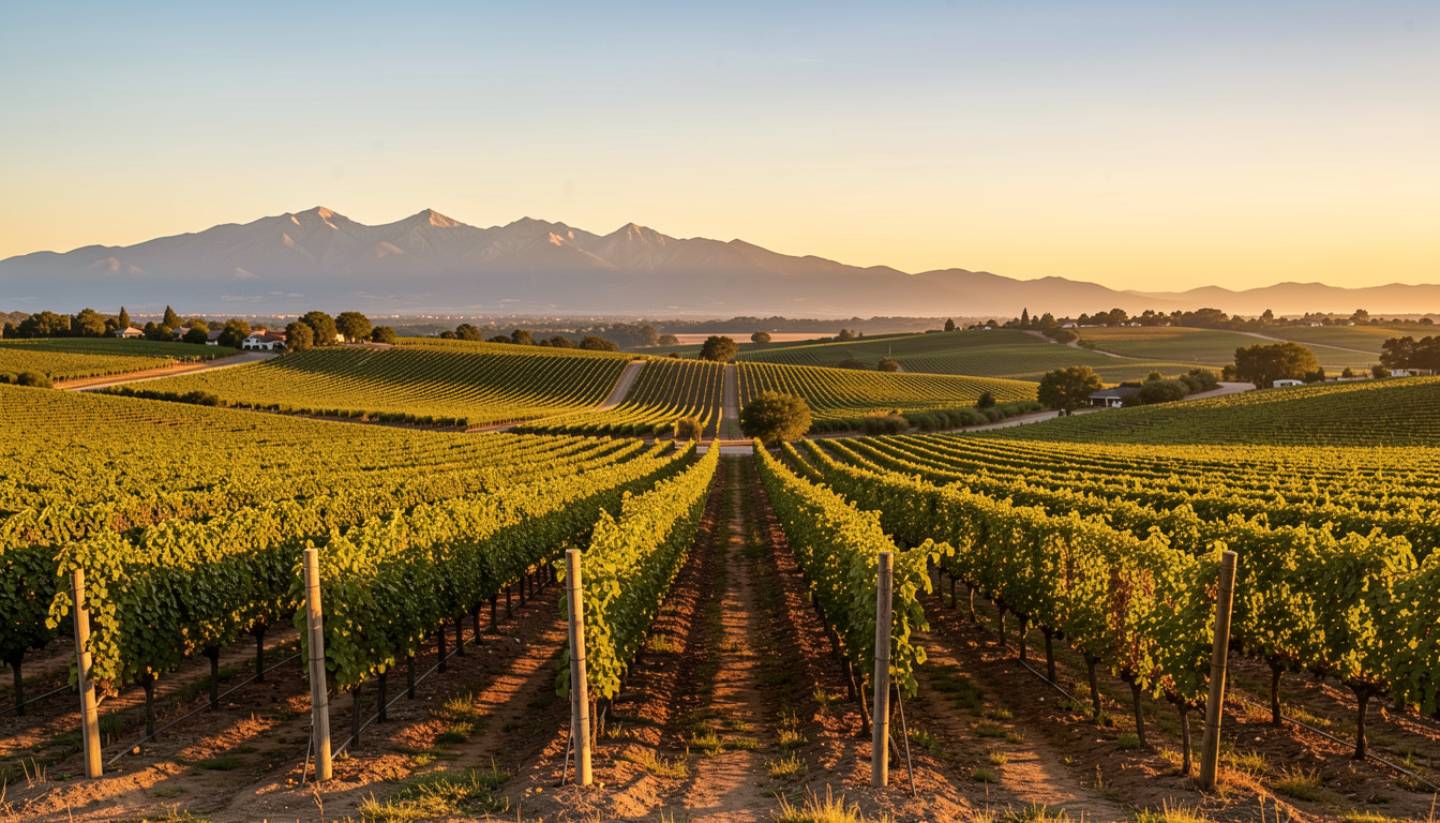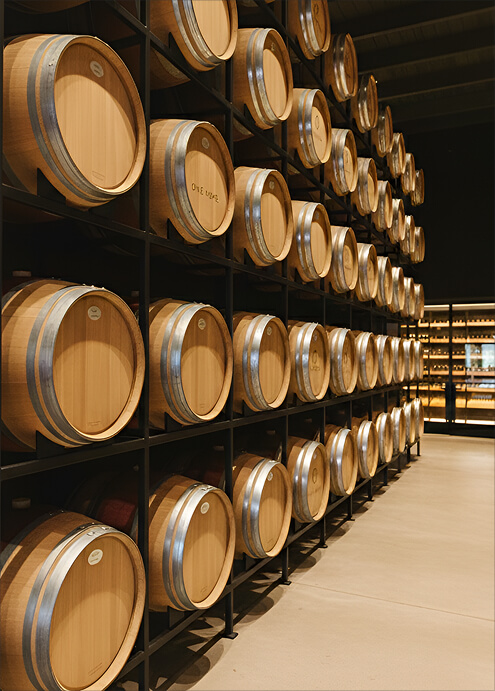
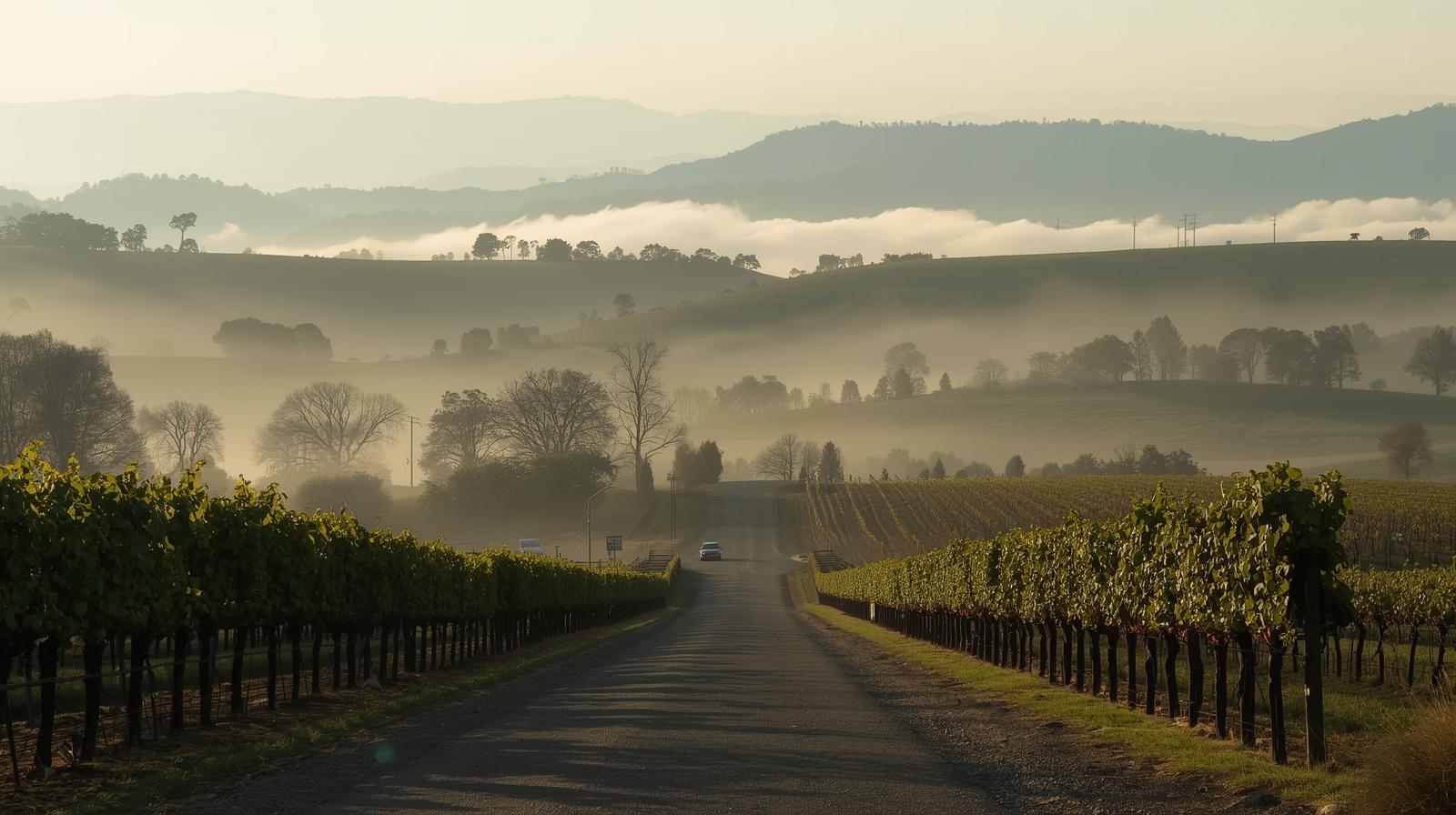
There is a moment most evenings in Napa Valley when the light softens along the Mayacamas and the vineyard rows in Rutherford begin to glow.
It happens fast.
The western sky warms. The benchlands turn gold. Dust rises slightly as a truck rolls down a gravel lane. And almost instinctively, hands reach for phones.
But what if you did not?
What if you let the light shift without documenting it. What if you drove Silverado Trail without pulling over for the shot. What if you tasted Cabernet in Oakville without lifting the glass toward the sun for a photo.
Napa Valley rewards presence.
If you are drawn to mindful travel Napa style, this valley offers something rare. An experience that becomes richer when you stop trying to capture it.
What This Experience Is Really About
Slow travel Napa style begins with geography.
The valley is a narrow corridor between the Mayacamas to the west and the Vaca Range to the east. Because everything is close, urgency fades. Carneros in the south to St. Helena in the north can be covered in under forty minutes.
When you stop documenting, you start noticing:
- The smell of crushed grape skins during crush season
- The sharp scent of wild mustard in late winter
- The click of irrigation lines at dusk
- The diurnal shift as cool air slides in from San Pablo Bay
Mindful travel Napa is about sensory memory. It is about feeling the soil texture of Rutherford Dust in your palm rather than posting it.
A Short Personal Story
A few harvests ago, I realized I had not taken a single photo for weeks.
Not intentionally. I was just present.
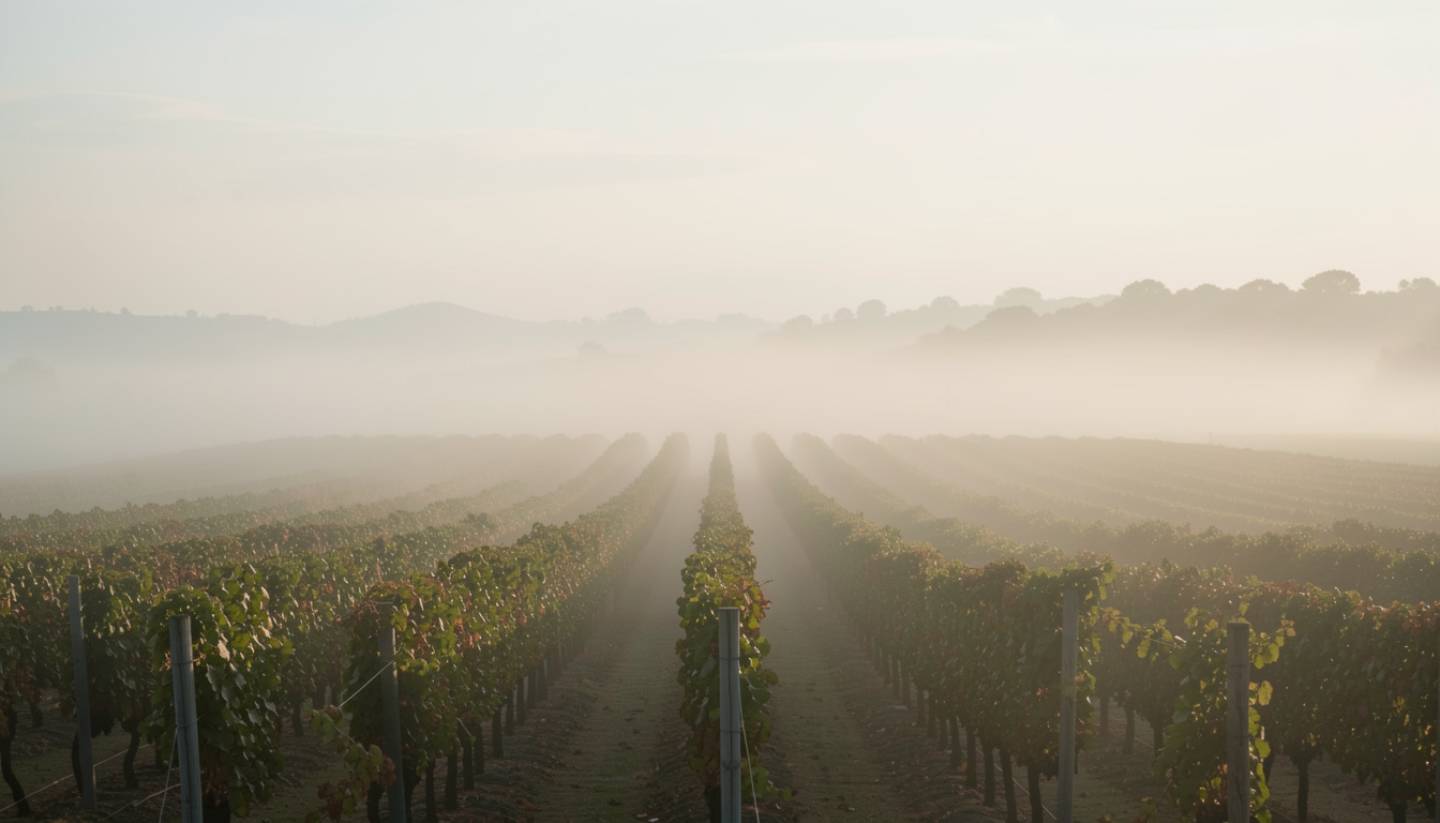
One morning near Oakville Cross Road, fog was lifting off the Napa River corridor. The crew was already halfway down the row. Spanish carried across the vines. The soil was damp from a light overnight mist.
I stood there longer than I needed to.
I am biased. I live and build here.
But that morning reminded me that Napa is most powerful when you let it happen without interruption. The memory is sharper when you do not dilute it with documentation.
Designing Your Unplugged Napa Valley Trip
1. The Early Silverado Drive
Highway 29 carries the commercial energy. Silverado Trail carries the quiet.
Drive north from Yountville toward Rutherford before 7 a.m. Roll the windows down. Let the cool air and vineyard scent settle in.
No camera needed.
2. The One Winery Rule
Instead of stacking tastings in Oakville, St. Helena, and Calistoga in a single day, choose one.
In Rutherford, focus on understanding benchland Cabernet and the texture of the soil. In Carneros, notice how the wind from the bay shapes the lean of vine trunks. In St. Helena, pay attention to how hospitality teams pace a tasting.
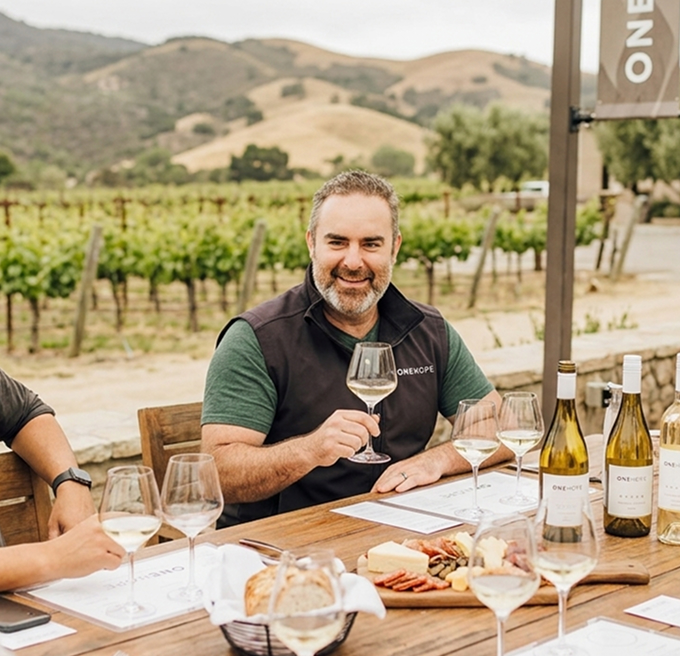
At Estate 8, we often encourage guests to slow down. I am biased. It is my baby. But the best conversations happen when phones stay face down on the table.
Hospitality deepens when attention is undivided.
3. Eat Without Documentation
Lunch at Farmstead in St. Helena or Bistro Jeanty in Yountville becomes more vivid when you are not framing it.
Notice:
- The sound of flatware
- The cadence of servers
- The warmth of bread
- The way afternoon light enters the dining room
Food identity Napa style is better absorbed than archived.
4. Walk Without Destination
Leave the car in downtown Napa and walk along the river. Or head north to Bothe Napa Valley State Park between St. Helena and Calistoga where redwoods and ferns reset the senses.
Let the walk be the purpose.
A Mindful Travel Napa Itinerary
One Day Reset
Morning
Coffee in downtown Napa. Sit outside. Watch First Street wake up.
Midday
One winery visit in Oakville or Rutherford. Ask about the Napa Valley Agricultural Preserve and how it shaped the land around you.
Afternoon
Drive Silverado Trail slowly. No stops, no photos.
Evening
Sunset in Calistoga near Mount St. Helena. Just watch the light change.
Weekend Slow Travel
Carneros morning fog.
Lunch in Yountville.
Afternoon vineyard walk in Rutherford.
Day Two
St. Helena Main Street stroll.
Hike at Skyline Wilderness Park or Bothe Napa Valley State Park.
Quiet dinner in downtown Napa.
Build white space into the schedule.
What Most Visitors Miss
When you stop capturing Napa, you begin to hear it.
The low hum of a crush pad during harvest. Gravel under tires along Silverado Trail. The soft shift in temperature as the marine layer rolls in.
You begin to feel it.
The cool cellar air in a cave on Spring Mountain. The warmth of late afternoon in Oakville. The slight elevation change climbing toward Atlas Peak.
Mindful travel Napa is about letting the valley imprint on you.