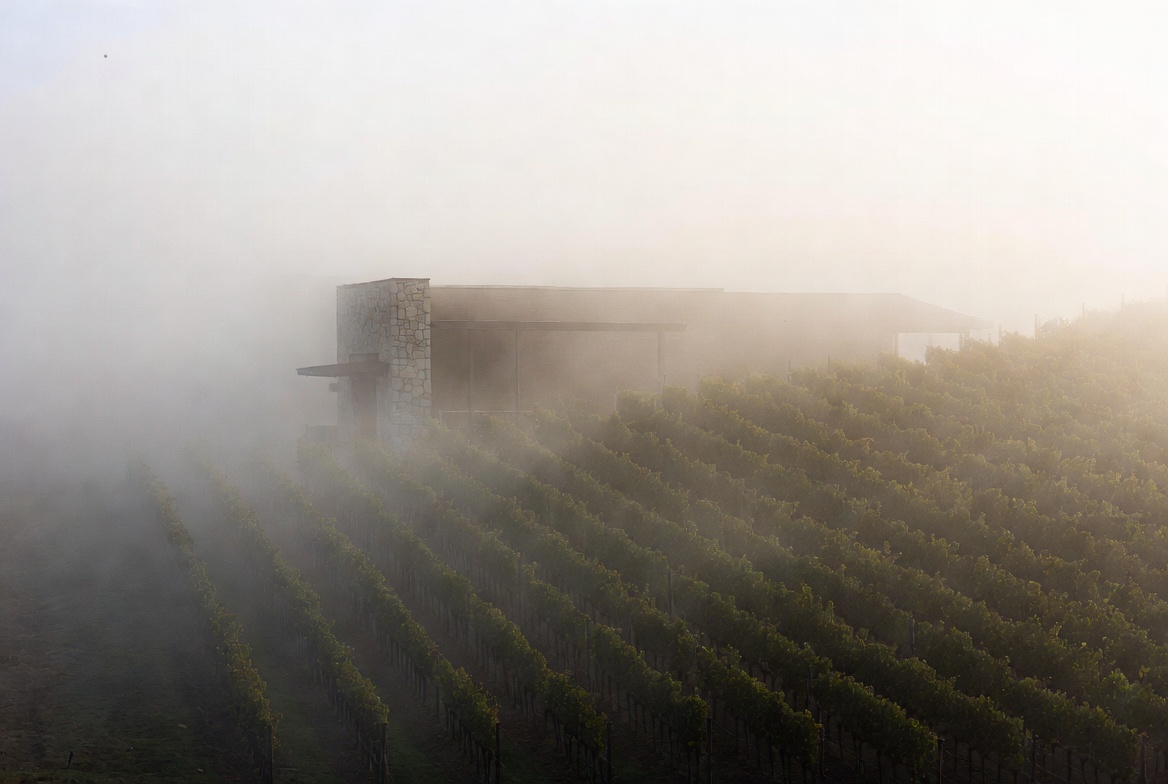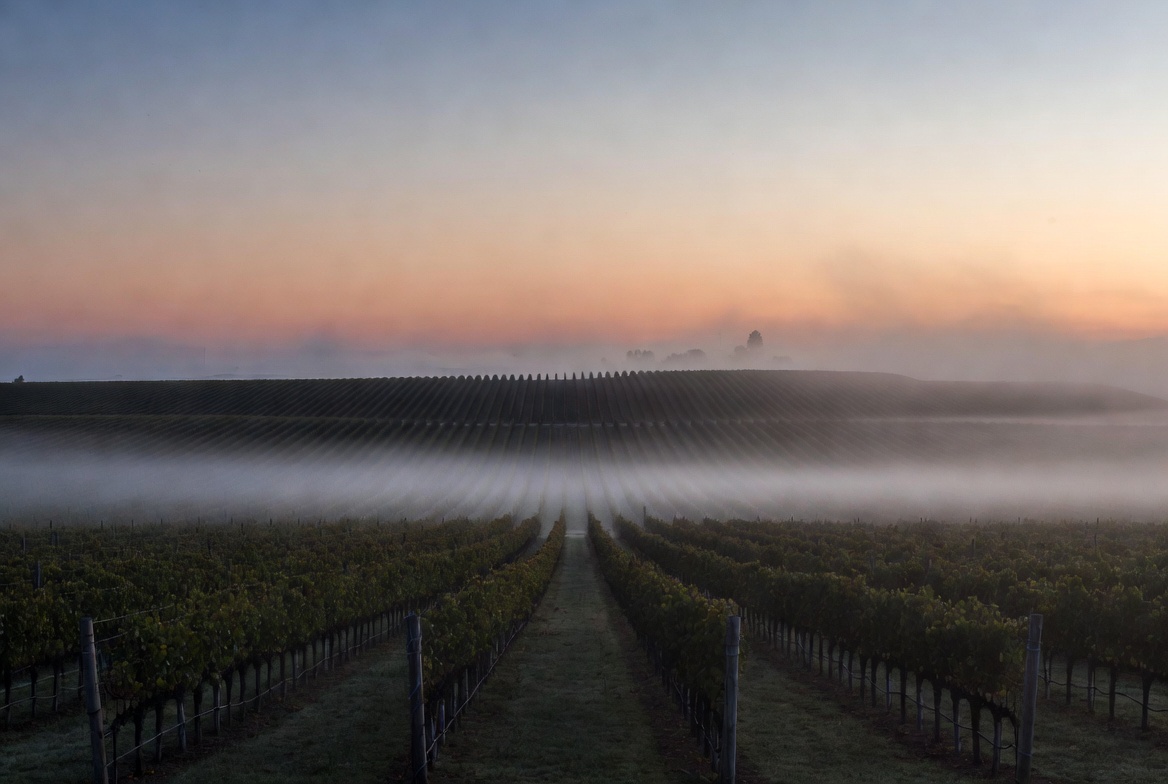
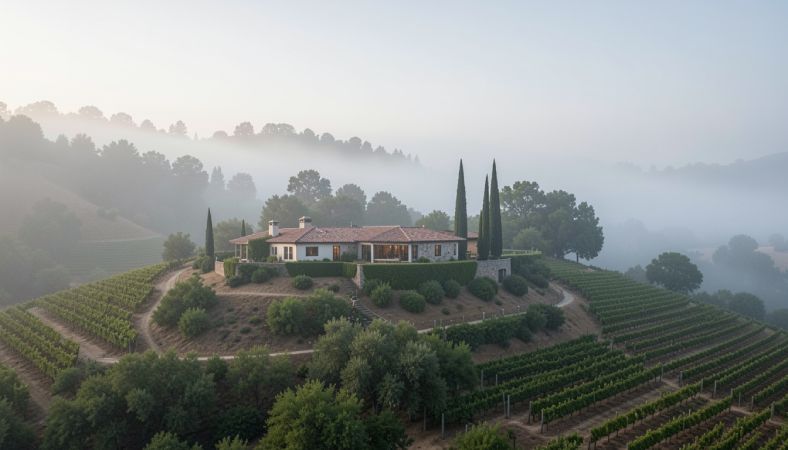
People who work in real estate rarely stop noticing. Even on vacation, you clock setbacks, light angles, proportions, and how a volume moves you through it. Napa Valley rewards that instinct rather than fighting it. This is a land-first valley where architecture answers to slope and exposure, where views are framed with restraint, and where materials are allowed to age honestly. Mornings arrive quietly as fog lifts off the Rutherford benchlands. Properties reveal themselves slowly. For real estate people who love place and detail, Napa feels less like a getaway and more like a master class you get to walk through.
What This Experience Is Really About
This trip is not about listings or luxury. It is about understanding why certain places work. Napa has always been a land-first valley. Vineyards came long before tasting rooms, and homes were built to endure heat, fog, and seasonality. The real lessons here live in three places.
Land Before Structure
Slope, exposure, and soil come first. The difference between benchland and hillside is not just yield or price. It is how a site handles water, heat, and long views toward the Mayacamas Mountains.
Material Honesty
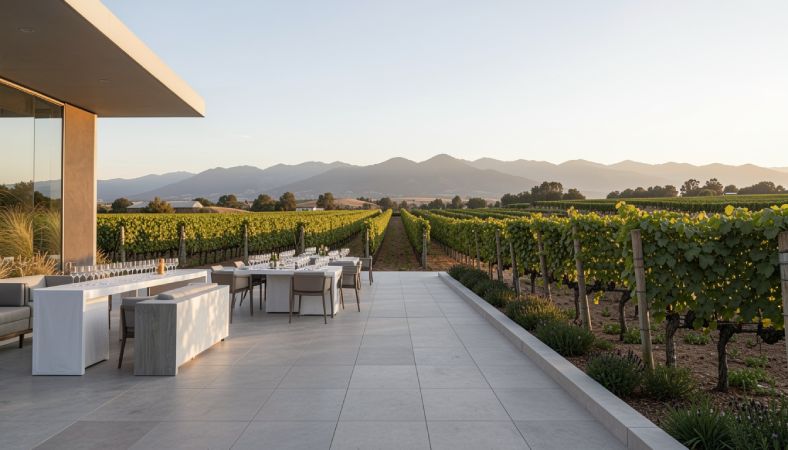
Stone, wood, concrete, and steel used with restraint. Properties like Artesa or Hall Wines show how modern forms can sit quietly inside a ridgeline rather than dominate it.
Circulation and Pause
Great sites move you naturally from compression to release. Wine caves to terraces. Narrow entries opening to long horizons. The land sets the tempo.
When It Is Best
Spring sharpens detail as the valley greens up and morning light stays soft and precise.
Summer shows how properties manage heat, shade, and airflow, especially in late afternoon Cabernet light.
Fall brings contrast as vines turn gold against stone and concrete.
Winter, often called Cabernet Season locally, is the truest test. Quiet, moody, and honest. You see orientation and massing without distraction.
Midweek visits, Tuesday through Thursday, give you room to look closely.
What Most Real Estate People Miss
Many treat Napa like a highlight reel, moving from name to name. The insight comes from returning to the same place twice. Morning versus afternoon. Fog versus clear sky. A well-sited property along the foothills reveals its intelligence through shadow, temperature, and silence.
My Local Notes
I have walked properties here with developers and architects who stopped talking halfway through. One afternoon stands out clearly. We revisited the same terrace three times as the light moved across the Rutherford bench. No one said much. The land was explaining itself. That is when Napa teaches best.
How to Spend a Day Focused on Place
Morning
Coffee in downtown St. Helena. Walk a few blocks and notice setbacks, tree placement, and how nineteenth-century stone meets modern glass.
Midday
Choose one estate where architecture and land are inseparable. Quintessa and Palmaz Vineyards are master classes in gravity flow and hillside integration.
Afternoon
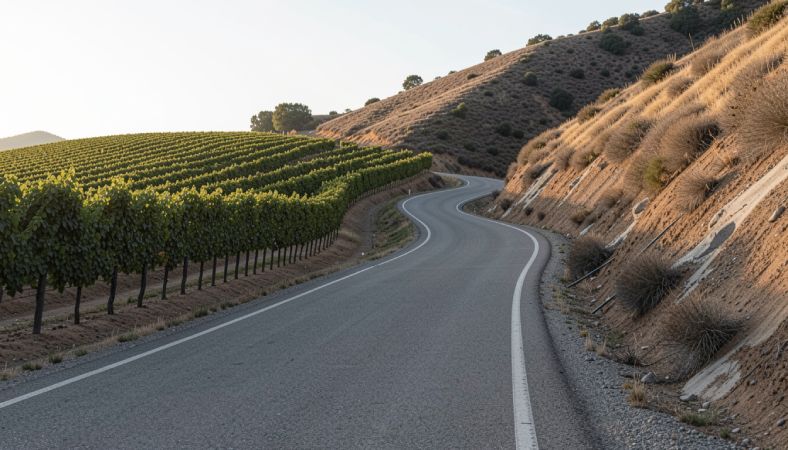
Drive Silverado Trail instead of Highway 29. The eastern side of the valley gives you a clearer read on slope, drainage, and vineyard orientation.
Evening
Dinner somewhere restrained. The Charter Oak or PRESS Restaurant reward attention to proportion, acoustics, and material honesty.

Where to Stay
St. Helena feels grounded and residential, with a seamless transition between town and vineyard.
Yountville offers walkability and a strong spatial rhythm.
Calistoga shows an older Napa where land still leads and structures follow.
Food and Wine Focus
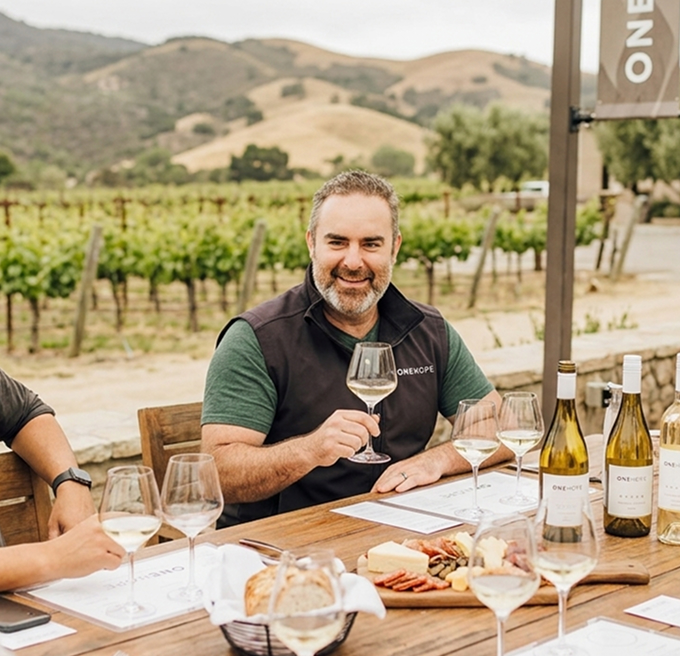
Look for tastings that show site expression rather than breadth. Flights built around single blocks or elevations tell you more than a long list. One thoughtful seated tasting per day is enough. Let the room, the light, and the land do as much work as the Cabe
Gentle Local Integration
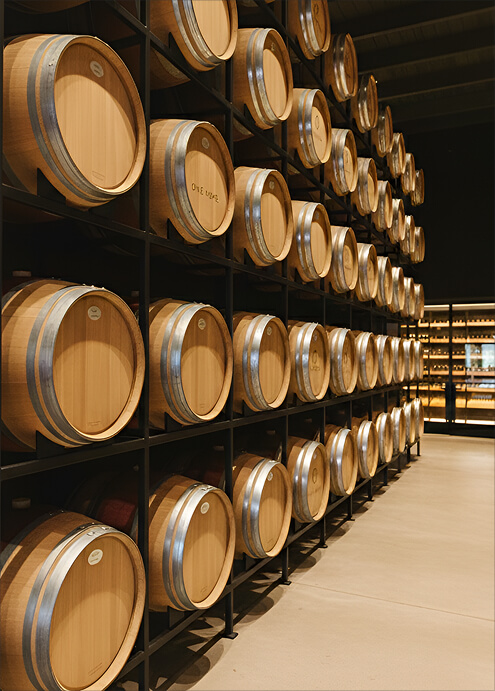
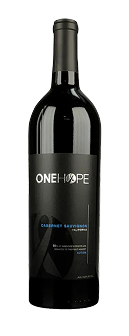
I will acknowledge my bias. Building Estate 8 and ONEHOPE came from a deep respect for land, circulation, and restraint. They are very much my baby. Some of the best conversations I have had with real estate people happened standing still in our private 360-degree tower, watching how the light hits the Mayacamas without anyone trying to sell the view.