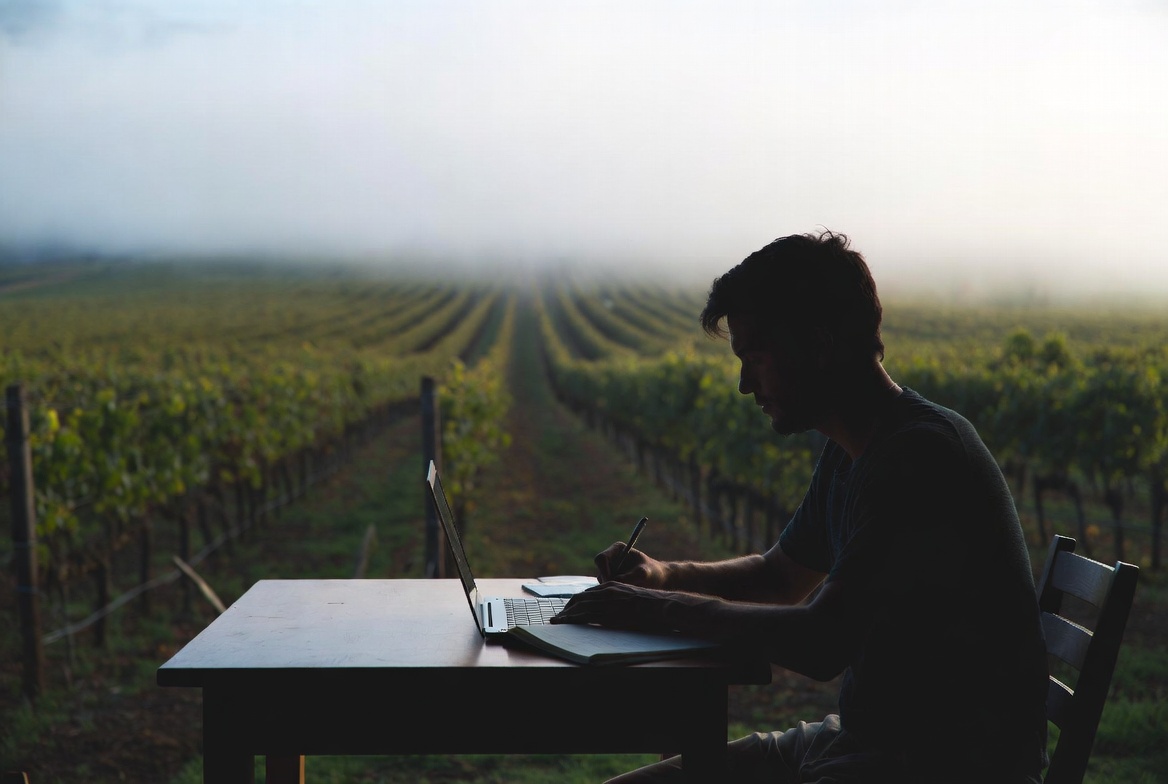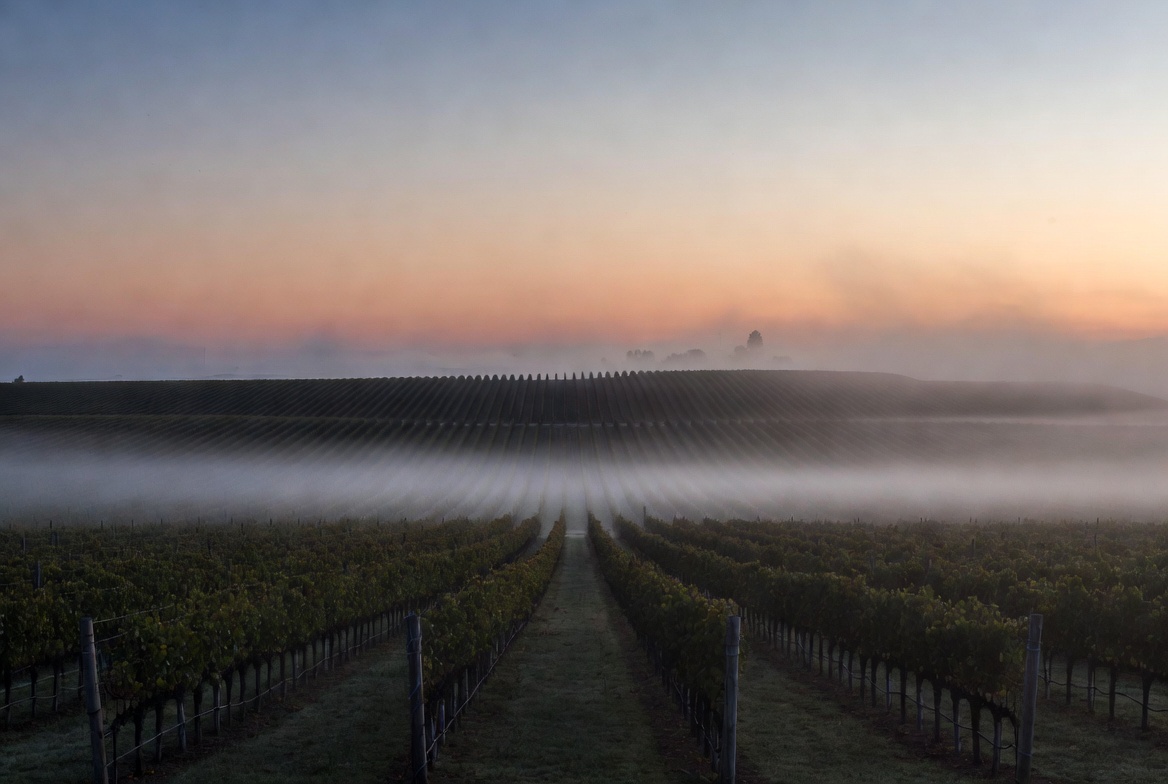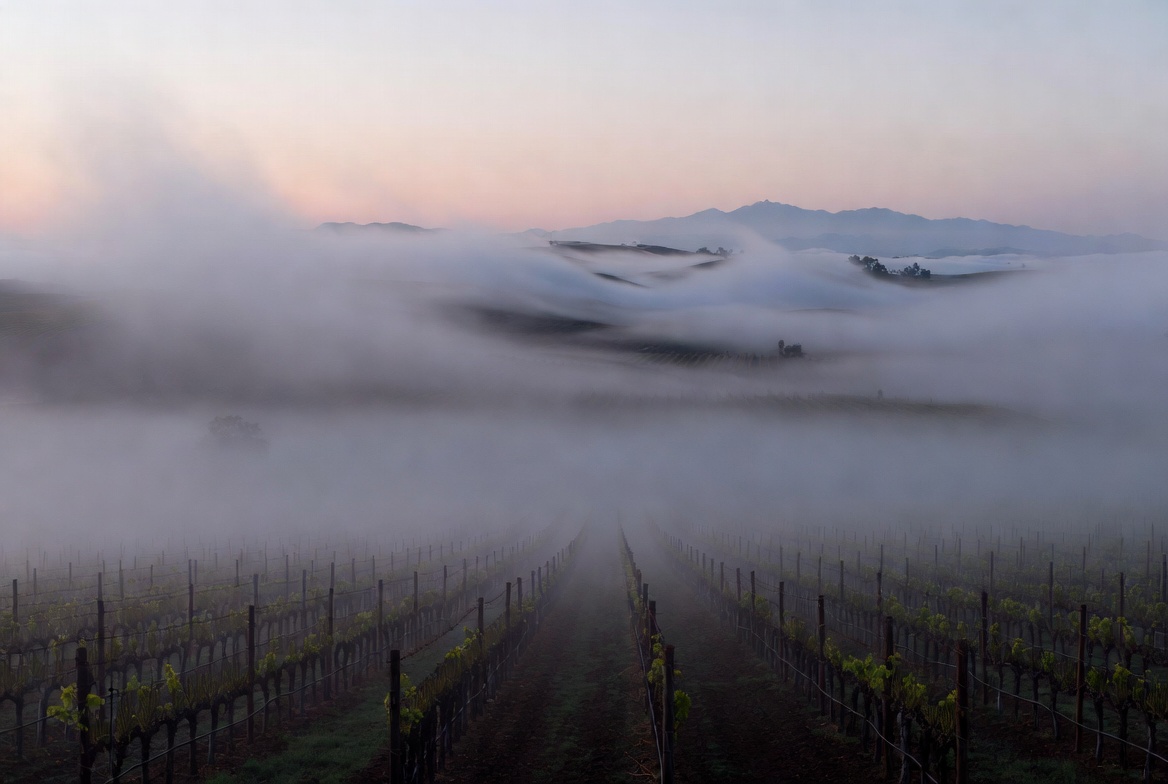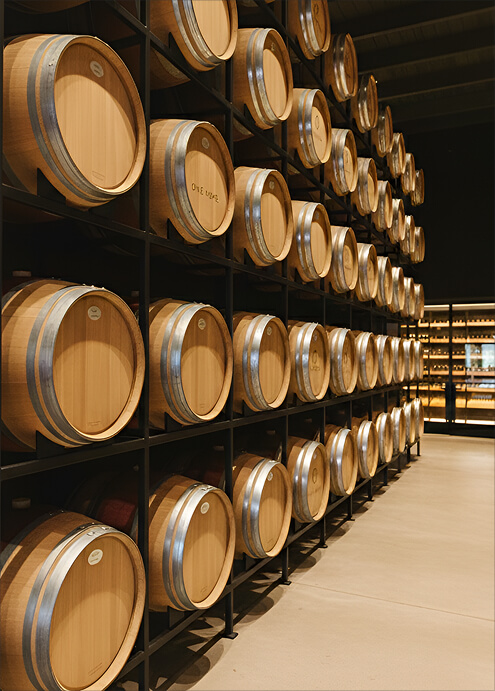
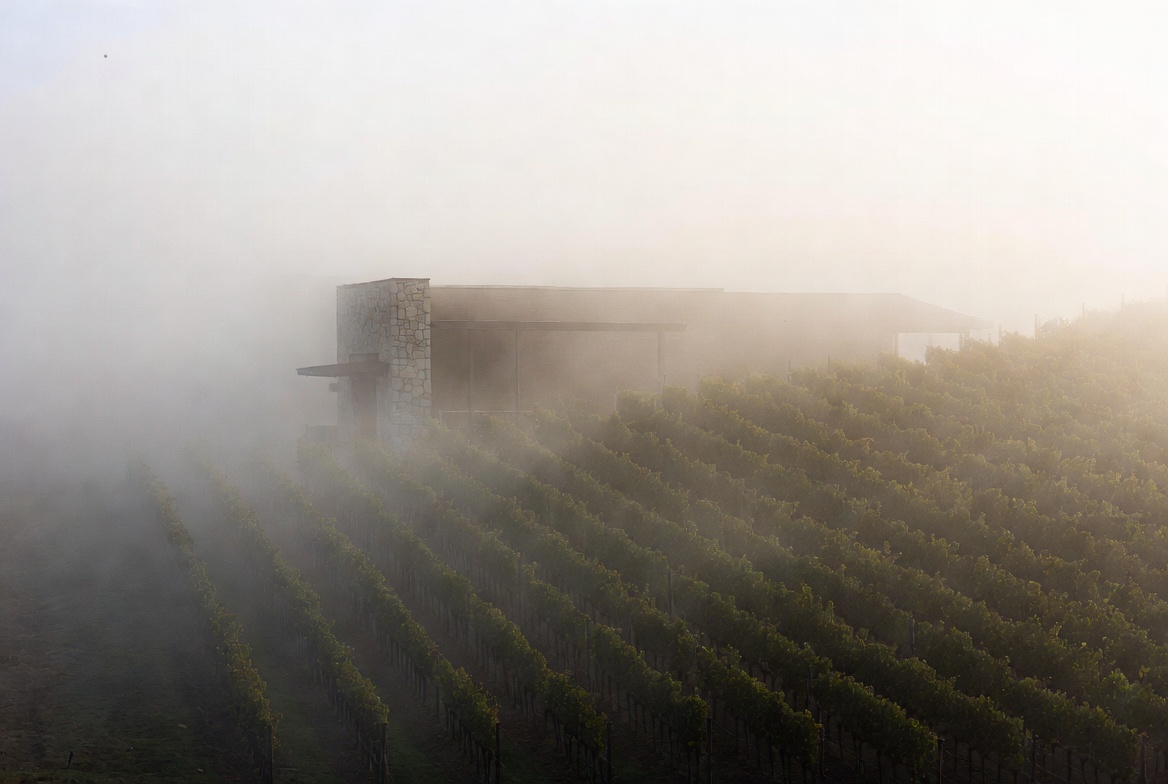
Designers move through the world differently. You notice how a wall meets the floor, how light shifts a surface by the hour, and whether a space feels resolved or simply finished. Napa Valley rewards that way of seeing. This is a working landscape where materials age honestly, proportions are set by land, and light is never an accessory. Mornings arrive quietly as fog lifts off the Rutherford benchlands. Stone warms slowly. Shadows lengthen with intention. For designers who notice materials, proportion, and light, Napa feels less like a getaway and more like a field study you get to inhabit.
What This Experience Is Really About
This trip is not about chasing iconic architecture. It is about understanding why certain spaces feel inevitable. Napa works for designers because nothing here exists in isolation. Buildings respond to slope. Interiors answer climate. Circulation follows land rather than ego.
Designers who get the most out of Napa usually focus on three things:
- Material Honesty
Stone looks like stone because it carries load. Wood shows age because it is allowed to. Concrete holds temperature and silence. - Proportion Shaped by Use
Tasting rooms sized for conversation, not crowds. Terraces scaled to horizon lines, not camera frames. - Light as Structure
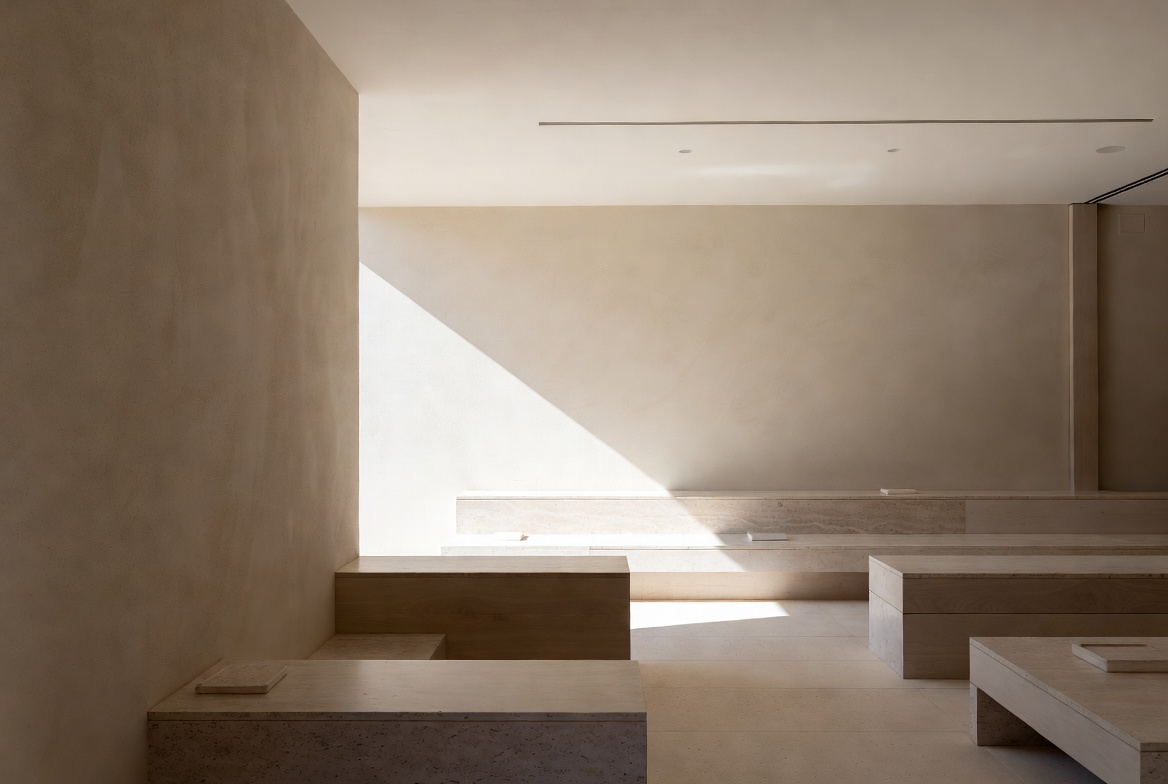
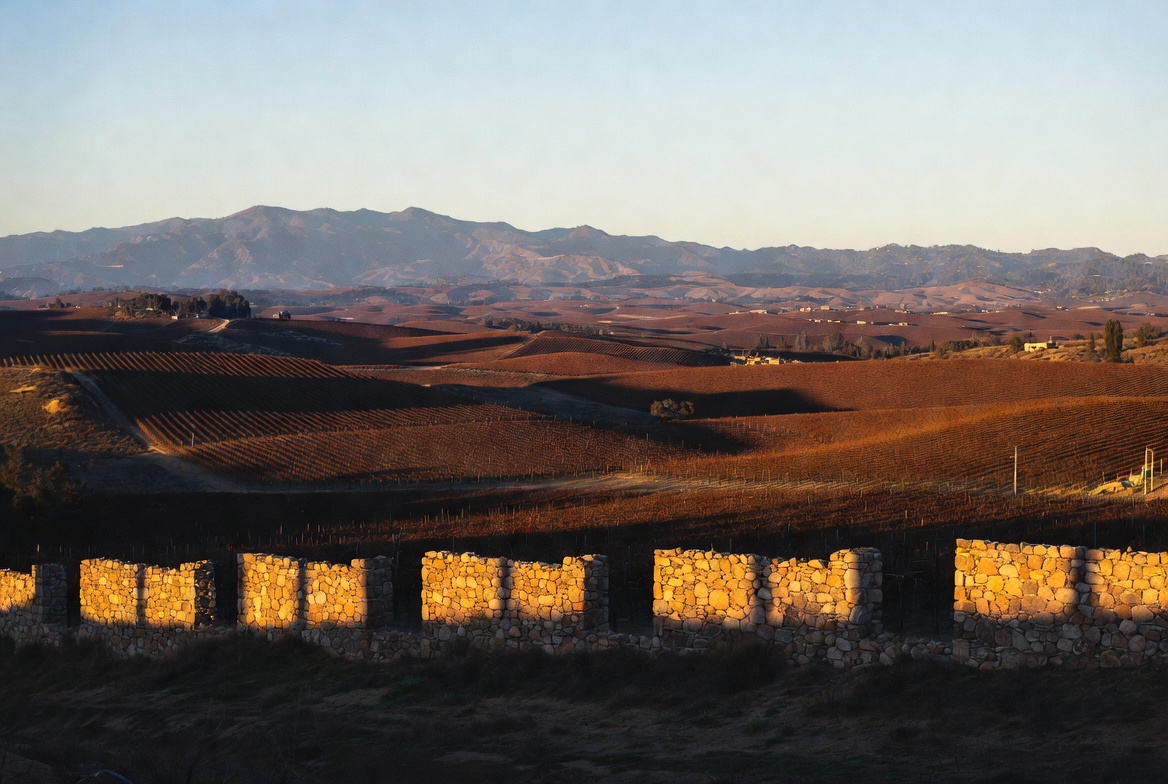
Morning fog softens edges. Afternoon sun defines form. Late Cabernet light reveals texture rather than glare.
When It Is Best
- Winter (Cabernet Season): The most honest read. Bare vines, long shadows, and interiors that show how they really work.
- Early Spring: Crisp light, fresh greens, and clarity without summer distraction.
- The Slower, Truer Napa Midweek: Tuesday through Thursday brings the least visual noise and the most room to observe.
What Most Designers Miss
Many designers treat Napa as a highlight reel, moving quickly between famous names. The real insight comes from staying put. Return to the same terrace in the morning and again at dusk. Notice how a stone wall holds warmth. Listen to how a room sounds as it fills slowly instead of all at once. Napa rewards repetition more than novelty.
My Local Notes
I have walked this valley with architects and designers who stopped talking mid-sentence. One afternoon stands out. We revisited the same vineyard-adjacent terrace three times as the light shifted across the Mayacamas foothills. No one needed to explain why it worked. The proportions were right because the land demanded them. That quiet certainty is something Napa teaches well.
How to Spend a Day Seeing Like a Designer
- Morning: Coffee in St. Helena. Walk a few blocks and notice setbacks, materials, and how 19th-century stone sits next to modern glass.
- Midday: One seated winery experience where architecture follows farming, not the other way around. Pay attention to thresholds, ceiling heights, and transitions.
- Afternoon: Drive the Silverado Trail. The eastern side of the valley offers cleaner reads on elevation, slope, and spacing than the busier Highway 29.
- Evening: Dinner somewhere materially restrained, like The Charter Oak or Farmstead at Long Meadow Ranch. Listen to how the room holds sound as daylight fades.


Where to Stay
- St. Helena: Grounded, residential, and seamlessly stitched into vineyard land.
- Yountville: Refined proportion at a town scale, with effortless walkability.
- Calistoga: Fifteen minutes north, where older structures show how design holds up over time.
Food and Wine Focus
Choose places that do fewer things exceptionally well. One thoughtful library tasting per day is enough. In Napa, wine behaves like good design. It improves when nothing unnecessary is added.
Gentle Local Integration
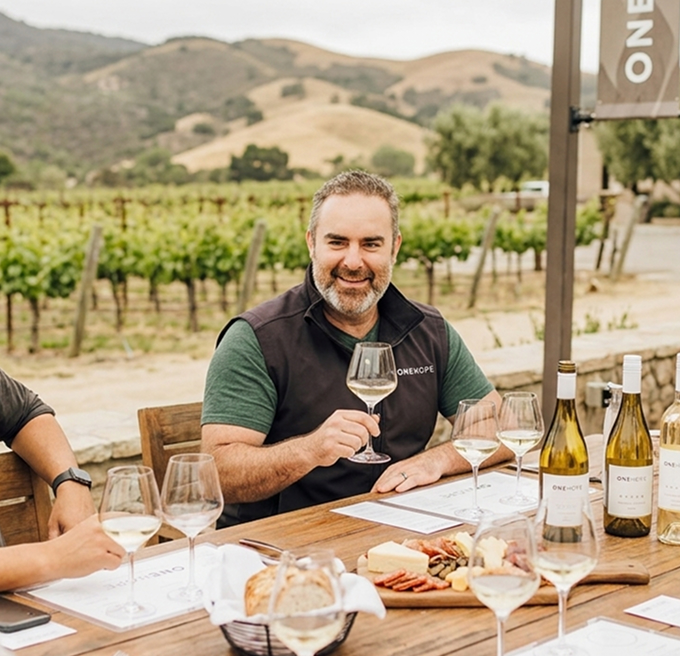
I will acknowledge my bias here. Building Estate 8 and ONEHOPE Wine came from a deep respect for land, proportion, and restraint. They are very much my baby. Some of the best design conversations I have had happened quietly at our shared tables or from our private 360-degree tower, where the light alone explained why the space worked.