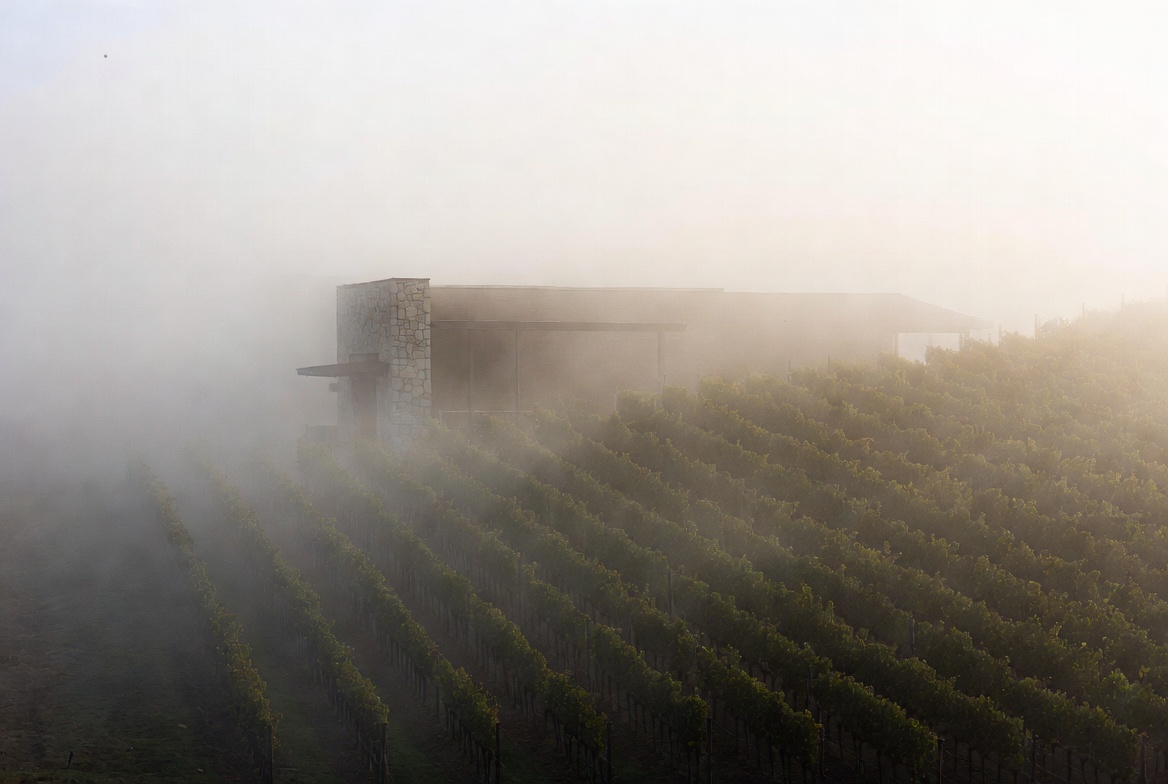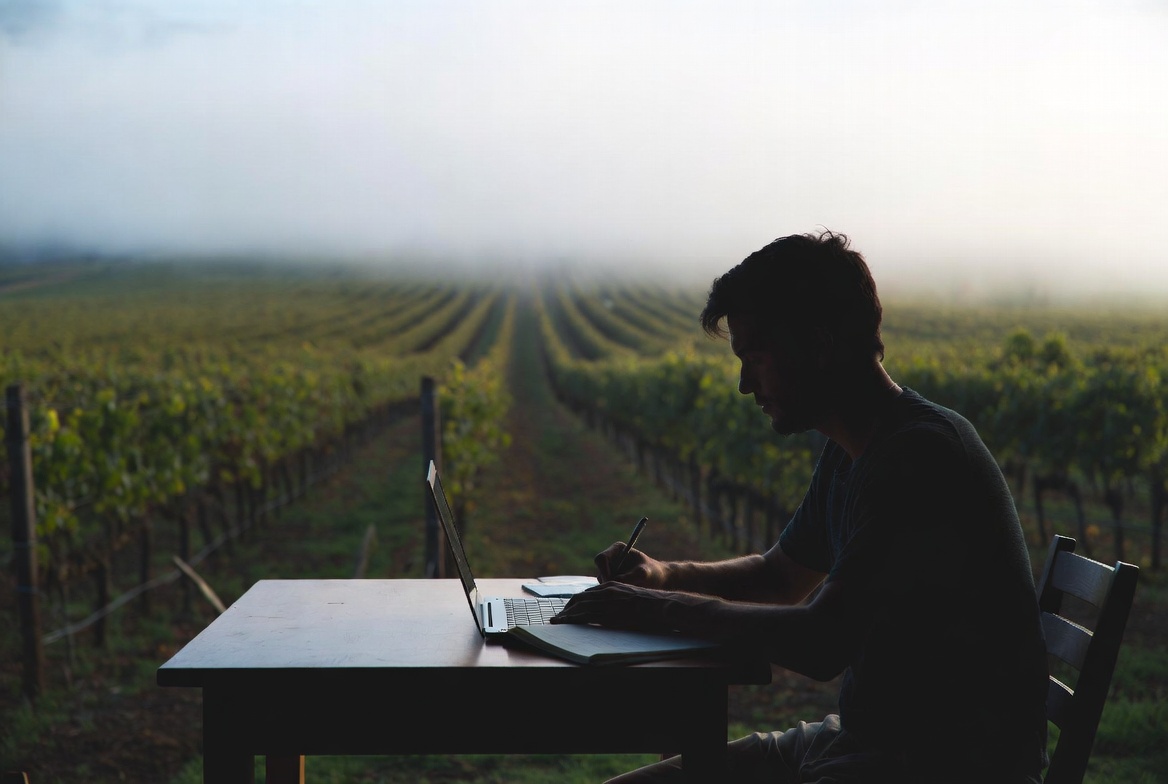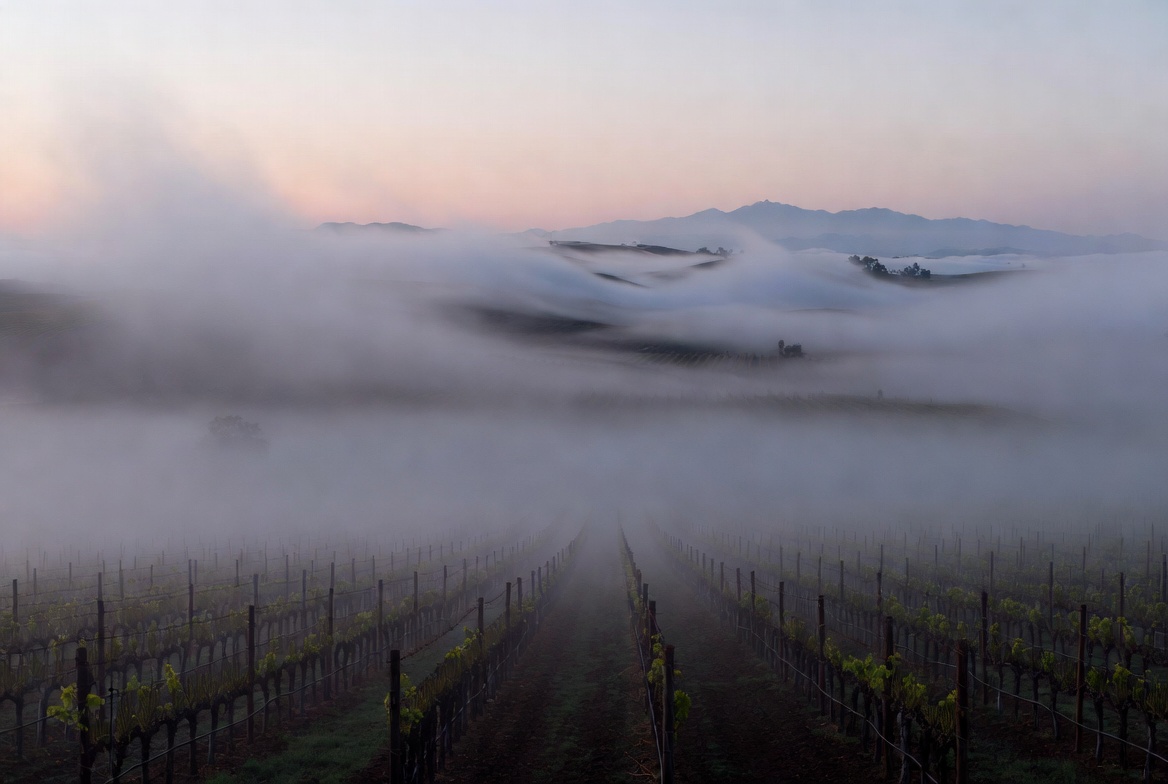
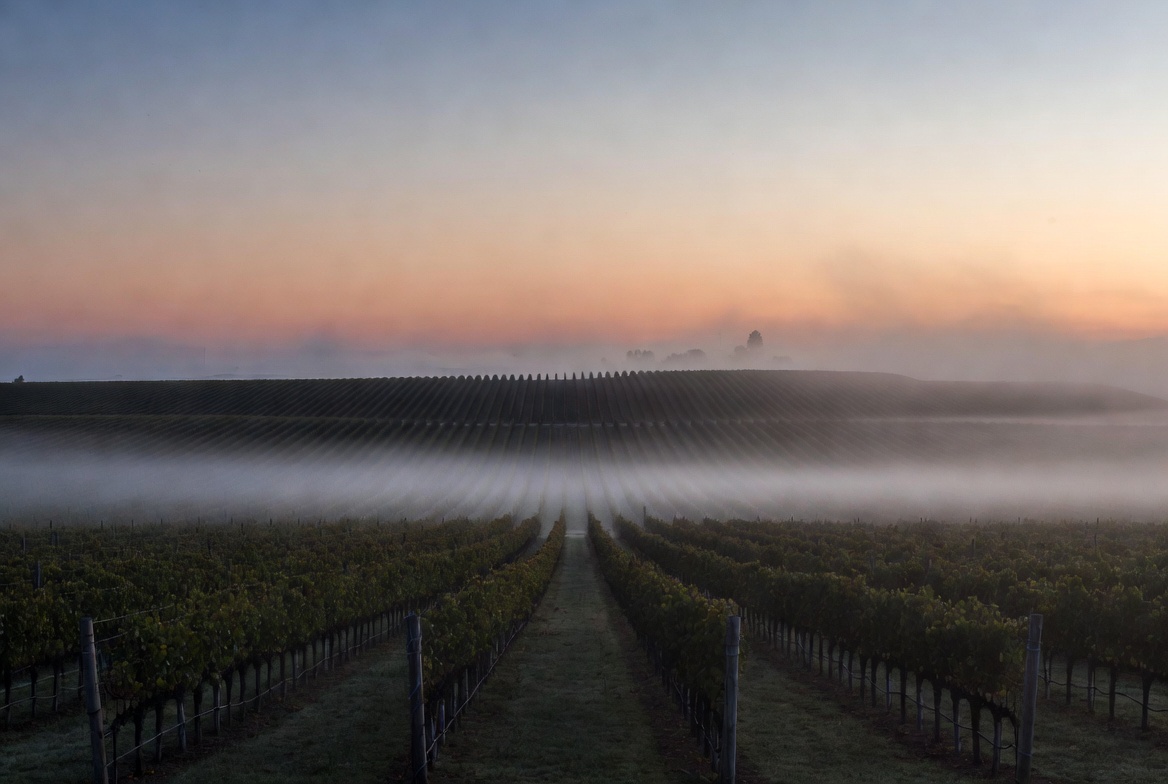
Running a business while raising kids trains your mind to stay on. You are forecasting, solving, buffering, and deciding before the day officially begins. Even rest gets scheduled. Napa Valley offers something rare for parents who carry that dual load: a place where thinking slows without effort. Mornings arrive gently as fog lifts off the Rutherford benchlands. Time stretches instead of compressing. Meals linger. Here, your brain does not need to be shut down. It simply stops racing on its own.
What This Experience Is Really About
This trip is not about escape. It is about relief. Napa works because it removes decision stacking. You are not choosing between ten options every hour. Parents who actually recover here tend to share a few instincts:
- One Anchor Per Day: One winery, one long meal, one meaningful experience. Everything else is optional.
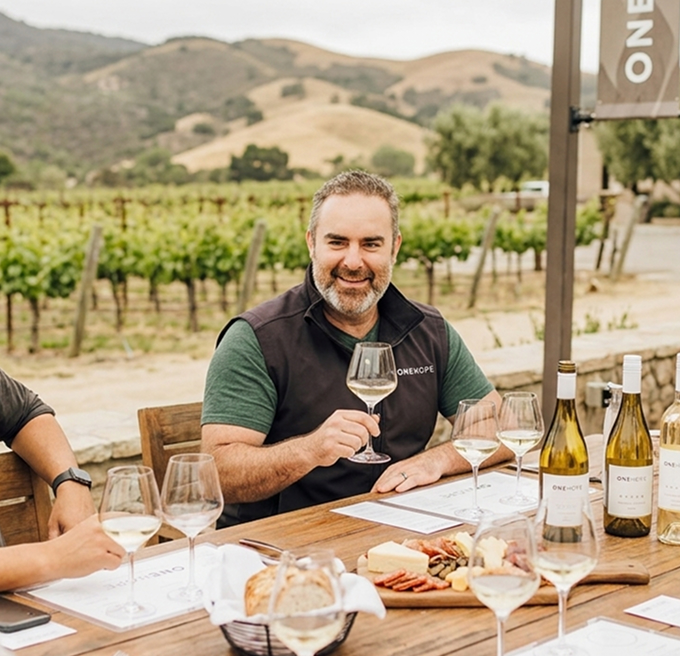
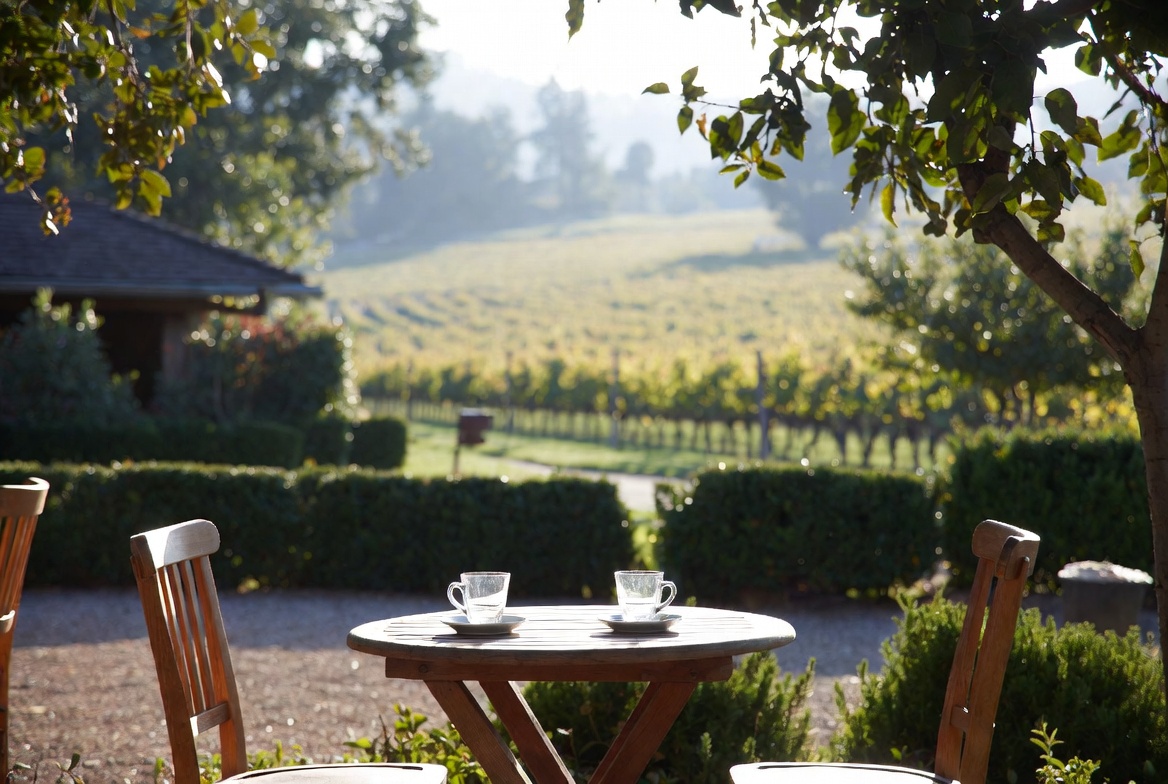
- Seated, Not Standing: Sitting changes the nervous system. It signals to your brain that nothing urgent is required of you.
- Shared Presence: Conversations flow naturally when no one is checking a watch or a Slack notification.
When It Is Best
- Winter (Cabernet Season): The quietest, least demanding version of the valley. Fireside meals, empty roads, and deep rest.
- Early Spring: Fresh energy and the bloom of wild mustard without the sensory overload of summer crowds.
- The Slower, Truer Napa Midweek: Tuesday through Thursday feels designed for people who rarely get uninterrupted time.
What Most Parents Miss
Many arrive still trying to optimize the trip the same way they optimize work and family life. In Napa, that instinct keeps the mind spinning. The real shift happens when you stop managing the experience. A long lunch without a plan afterward. A morning without an alarm. An afternoon where nothing productive happens. That is not wasted time. That is recalibration.
My Local Notes
I have seen founders and operators arrive with phones glued to their hands and leave forgetting where they left them. One visit stands out. The plan was minimal: one seated tasting just north of the Yountville Cross Road and a long lunch that turned into a walk through the vines. By the second day, they said it was the first time in years they were not mentally running tomorrow while living today. That is when Napa is doing its quiet work.

A Simple Two- or Three-Day Reset
Day One
Arrive late morning. Check in and do nothing for an hour. One seated winery experience in the early afternoon—choose an estate like St. Supéry for its patient, educational approach. Dinner close to where you are staying. Early night without guilt.
Day Two
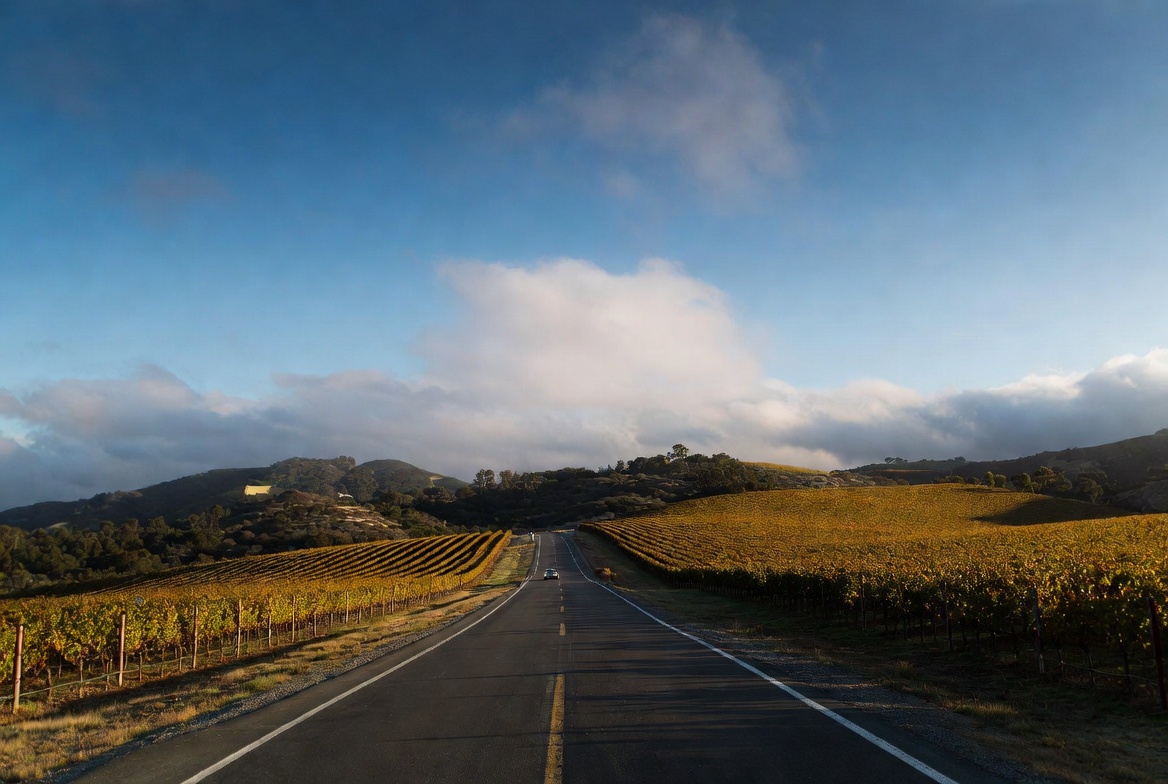
Sleep until your body decides otherwise. Coffee in silence. Take a slow fifteen-minute drive north along Silverado Trail toward Calistoga. One long lunch built for lingering.
Day Three
Fresh air, one last shared meal at a spot like Model Bakery in St. Helena, and an unhurried departure. Resist the urge to squeeze in one last stop.
Where to Stay
- St. Helena: Grounded, residential, and close to the Cabernet heartbeat of the valley.
- Yountville: Walkable and efficient, quietly reducing the mental load of driving and navigation.
- Calistoga: Fifteen minutes north, ideal for mineral baths and true disconnection from the central valley hum.
Food and Wine Focus
Choose comfort over complexity. Family-style meals and seasonal menus at places like Farmstead at Long Meadow Ranch or The Charter Oak invite you to relax rather than analyze. One thoughtful library tasting per day is plenty. Wine here should soften the edges of your thinking, not sharpen them.
Gentle Local Integration
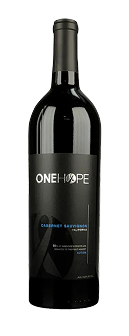
I will acknowledge my bias here. Building Estate 8 and ONEHOPE came from years of balancing work, family, and the need to stay present. They are very much my baby. Some of the most meaningful moments I have witnessed involved parents finally sitting still at our shared tables, realizing no one needed anything from them for a while.