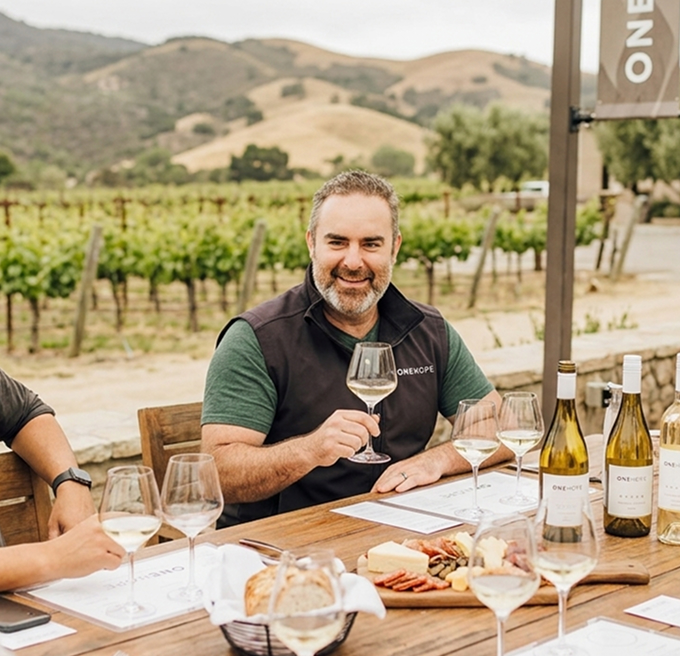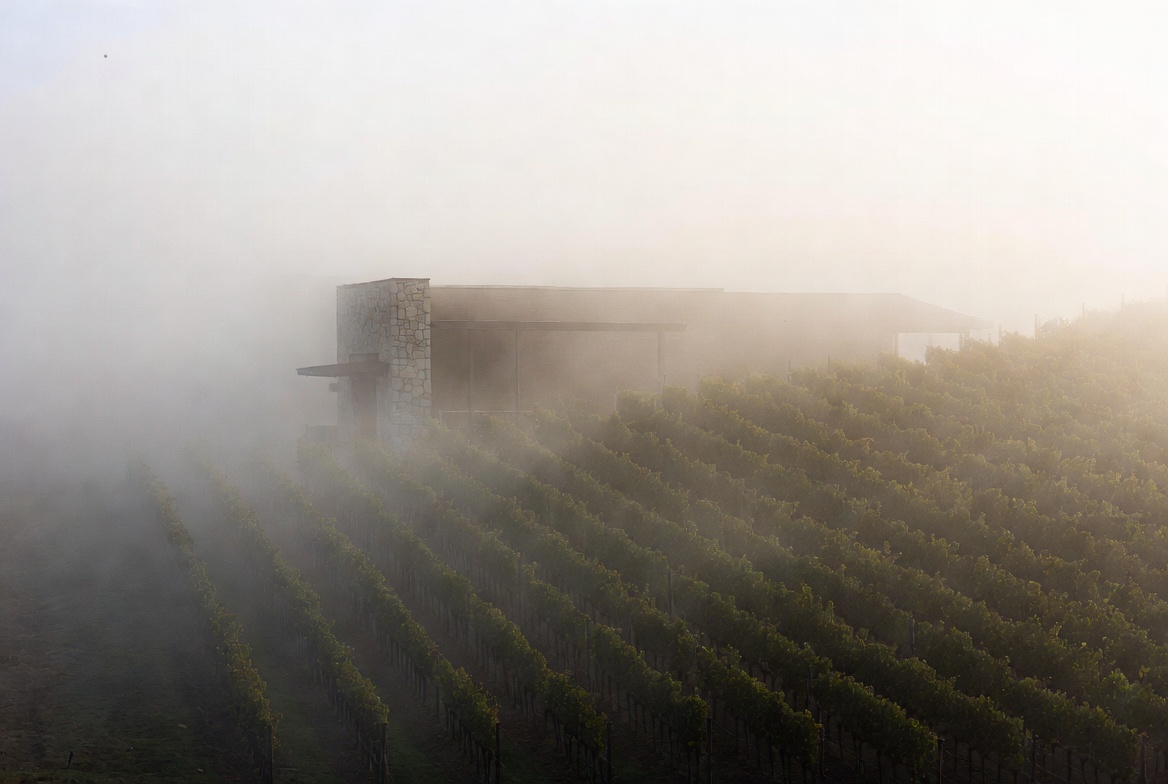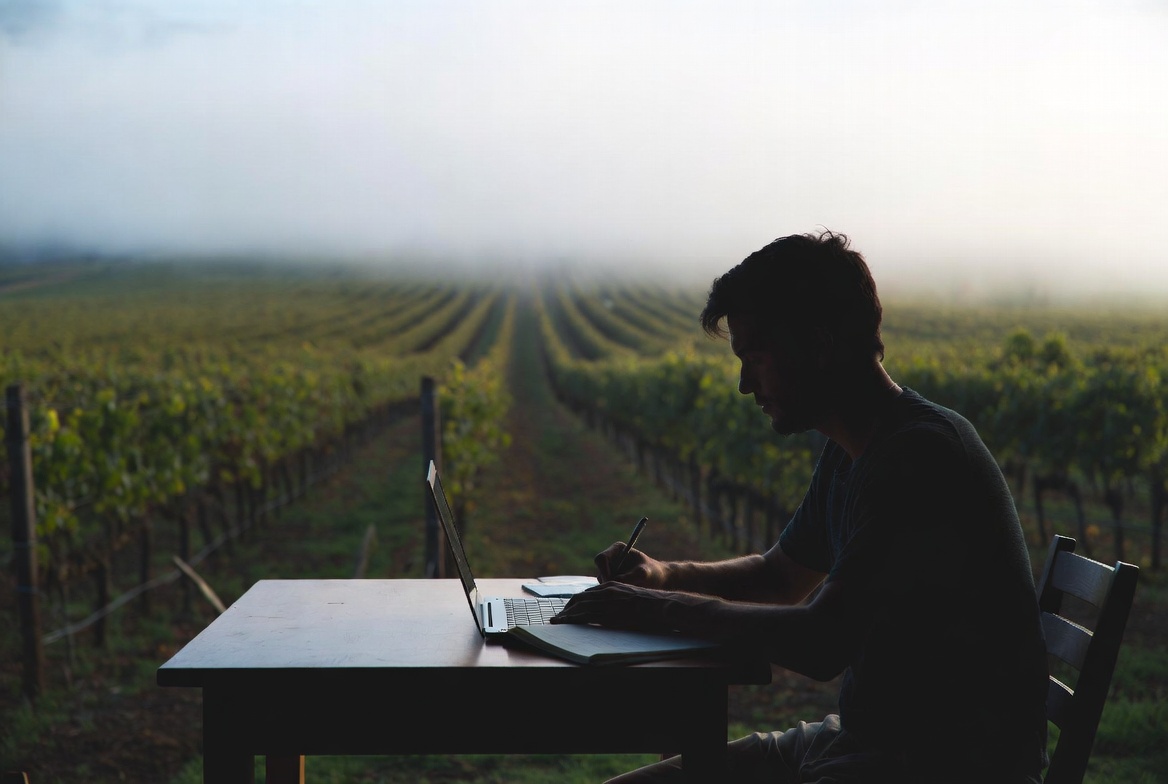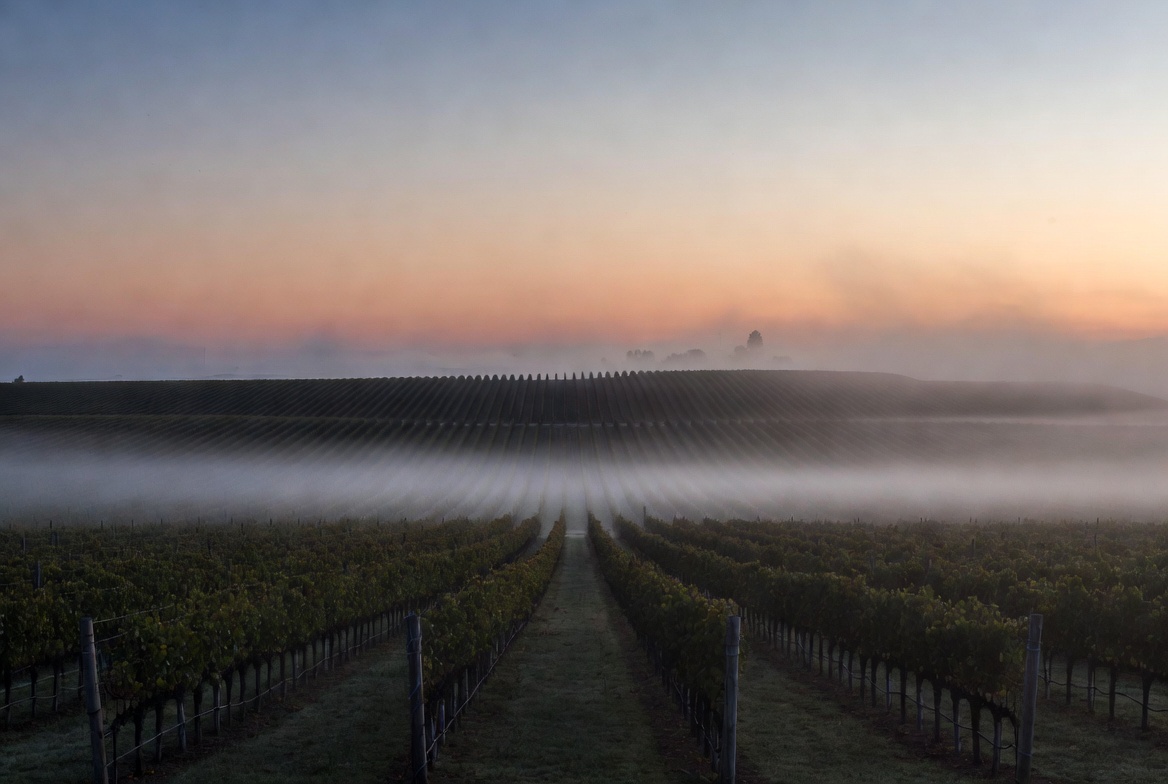
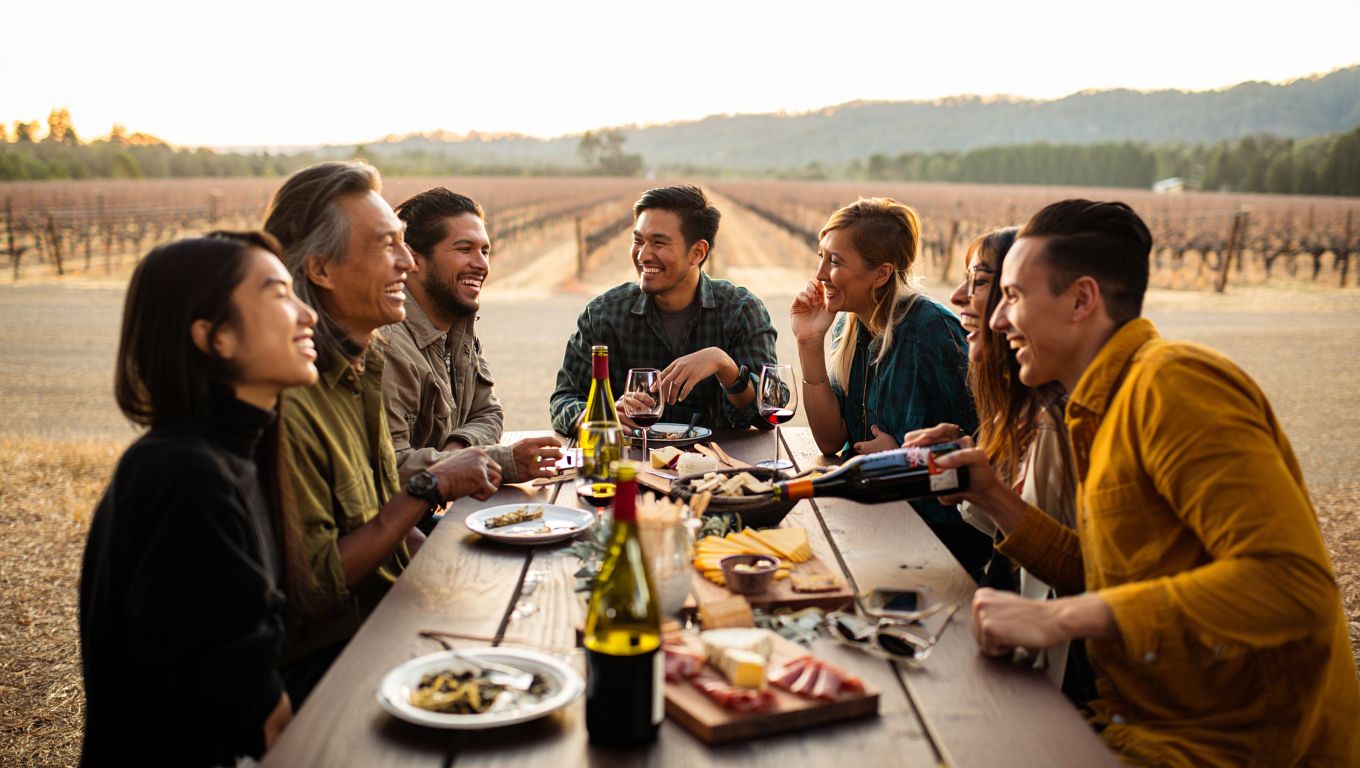
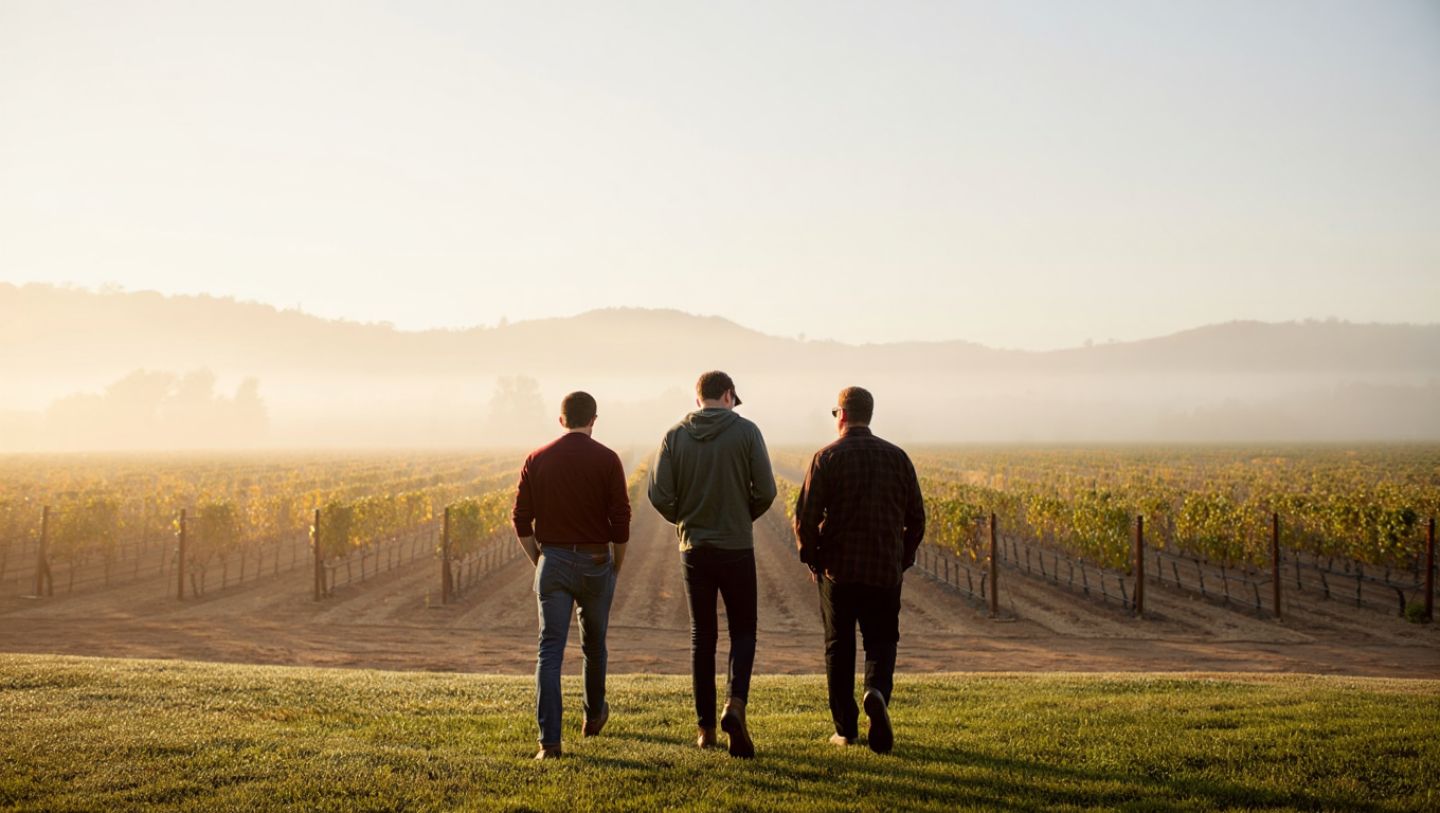
Remote work made many things possible. It also quietly thinned the space where real connection used to live. Cameras on, microphones muted, days stacked with efficiency but little texture. Napa Valley has a way of restoring what screens flatten. This is a place where you sit at the same table, notice when someone laughs, and feel time slow enough for trust to reappear. Mornings begin softly as fog lifts off the Rutherford benchlands. Meals stretch. Conversations wander. Here, teams stop performing alignment and start feeling it again.
What This Experience Is Really About
This kind of offsite is not about decks or deliverables. It is about remembering each other as people. Napa works because it removes the need to manage the room. You sit down. You stay awhile. You let the day breathe. Teams that reconnect well here tend to follow a few instincts.
Slow the Tempo
One shared experience per day is enough. The value comes from being unhurried.
Choose Side by Side Experiences
Seated tastings, long walks, and family style meals allow conversation to surface without pressure.
Leave Space Unassigned
The best moments often happen in the gaps between plans, when no one is responsible for outcomes.
When It Is Best
Spring feels open and optimistic, with green hillsides and cool mornings.
Fall, especially harvest, carries a sense of completion that suits reflection.
Winter, often called Cabernet Season locally, is the quietest and most honest.
Midweek travel from Tuesday through Thursday consistently offers the most space and the least noise.

What Most Teams Miss
Many teams overprogram out of habit, treating the offsite like a Zoom meeting with better scenery. In Napa, the real shift happens when no one is in charge of the next hour. A long lunch where no one checks the time often does more for trust than any facilitated exercise.
My Local Notes
I have watched remote teams arrive polite and leave bonded. One visit stands out clearly. The plan was simple. One seated tasting just north of the Yountville Cross Road and an afternoon with nothing scheduled. By dinner, people were telling human stories that never surfaced on video calls. Not work stories. The kind that remind you who you are sitting across from. That was the moment the team changed.
How to Structure a Human Centered Offsite
Arrival Day
Arrive late morning and settle in. Share a relaxed lunch and take a walk through town. No agenda beyond being together.
Full Day Together
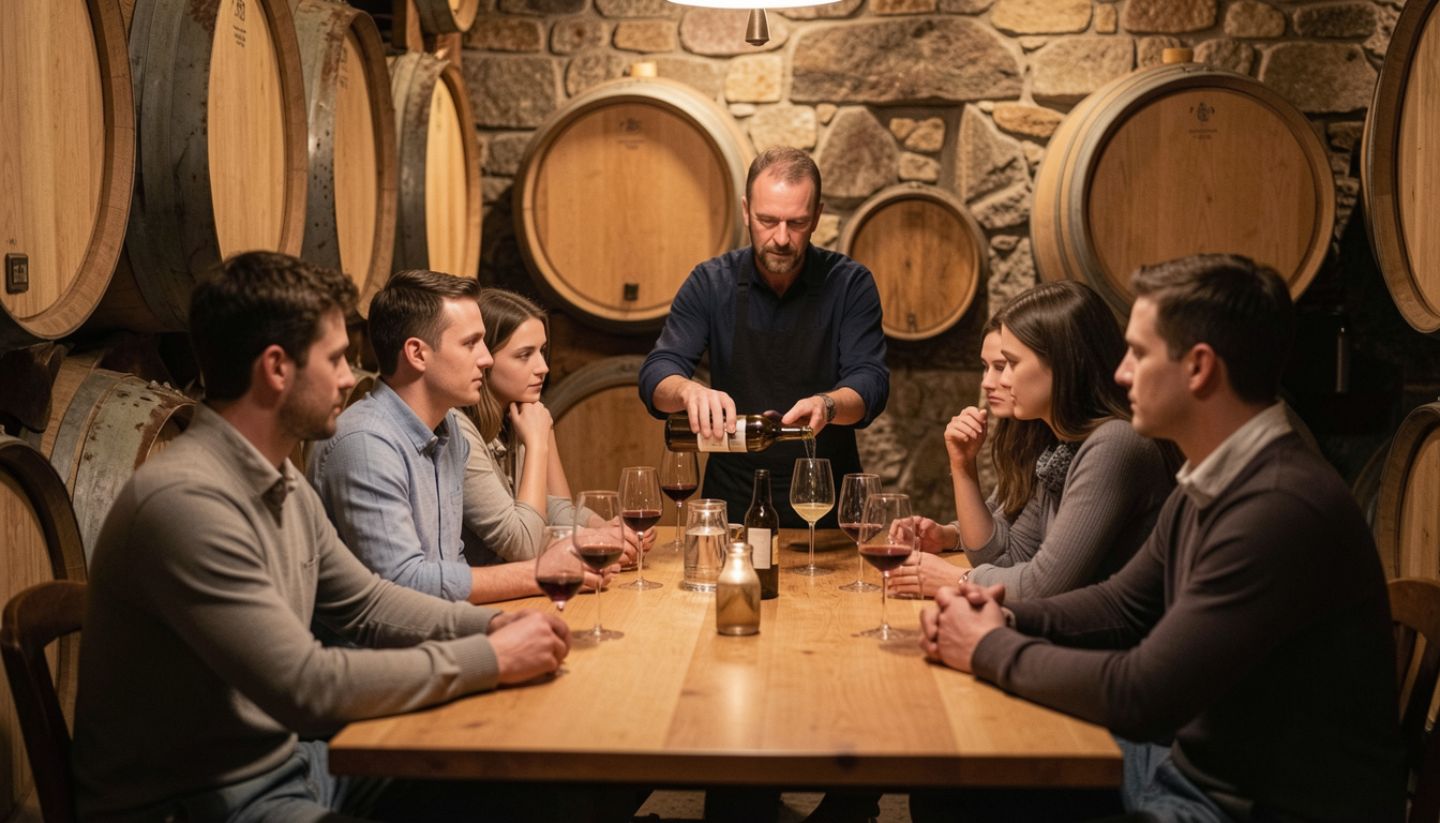
One seated winery experience where everyone stays at the same table. Follow it with a long family style meal. Leave the afternoon open for a slow drive along Silverado Trail, where conversation tends to deepen without effort.
Departure Day
Coffee, pastries from Model Bakery, and easy goodbyes. Resist the urge to squeeze in one last stop.
Where to Stay
St. Helena offers calm neighborhoods and a grounded, Napa native pace.
Yountville works well for walkability and shared meals.
Calistoga is best if the goal is full decompression and quiet.
Food and Wine Focus
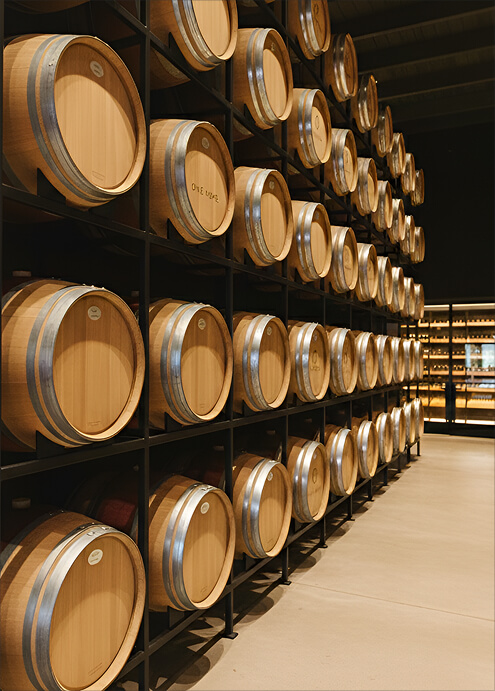
Choose places designed for lingering. Long tables matter. Family style menus matter. Restaurants like The Charter Oak or Farmstead at Long Meadow Ranch reward patience more than analysis. One thoughtful library tasting per day is plenty. Wine here works best as a backdrop to conversation, not the subject of it.
Gentle Local Integration
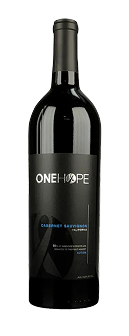
I will acknowledge my bias. Building Estate 8 and ONEHOPE came from a belief that shared tables rebuild connection faster than any framework. They are very much my baby. Some of the most meaningful team moments I have witnessed happened quietly at our tables, when people stopped thinking like coworkers and started remembering they were human first.