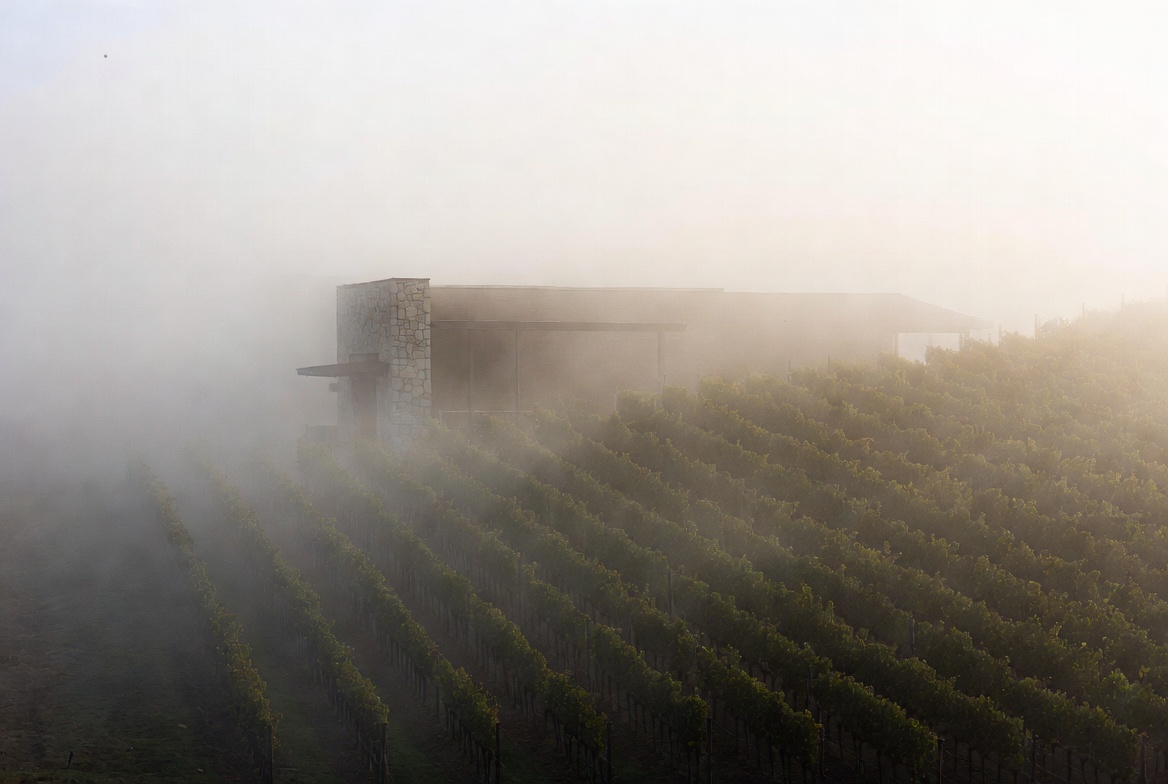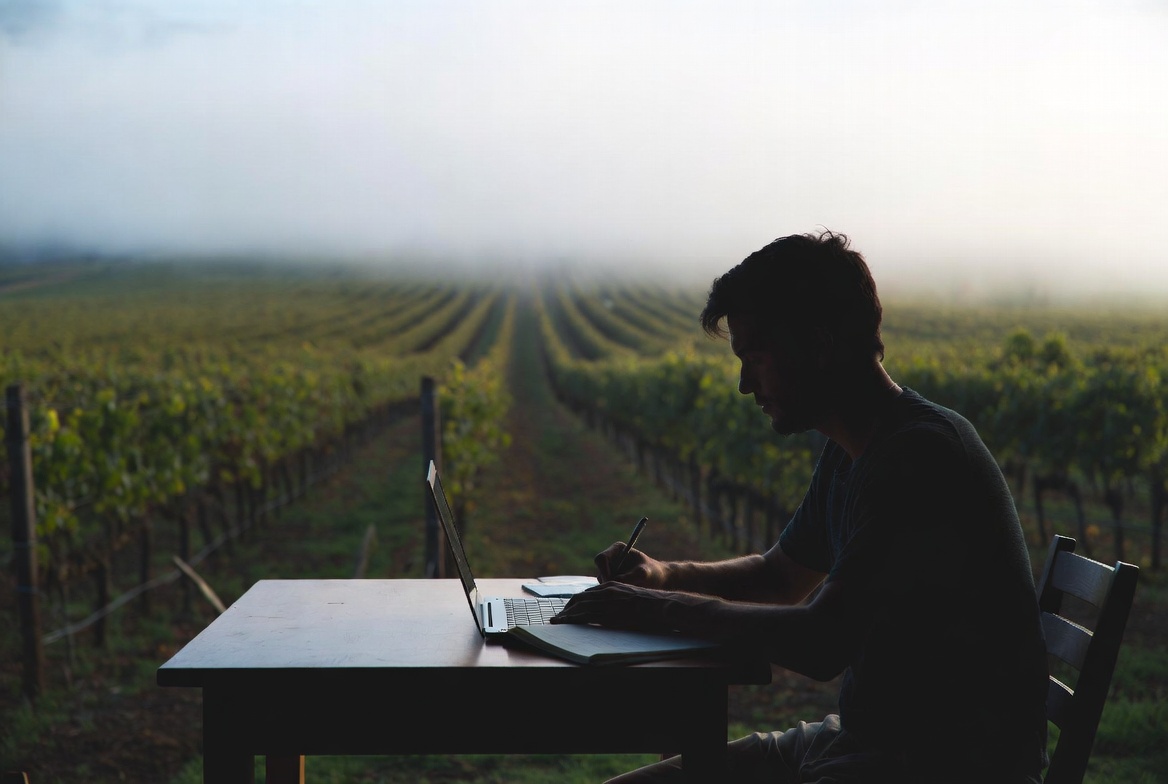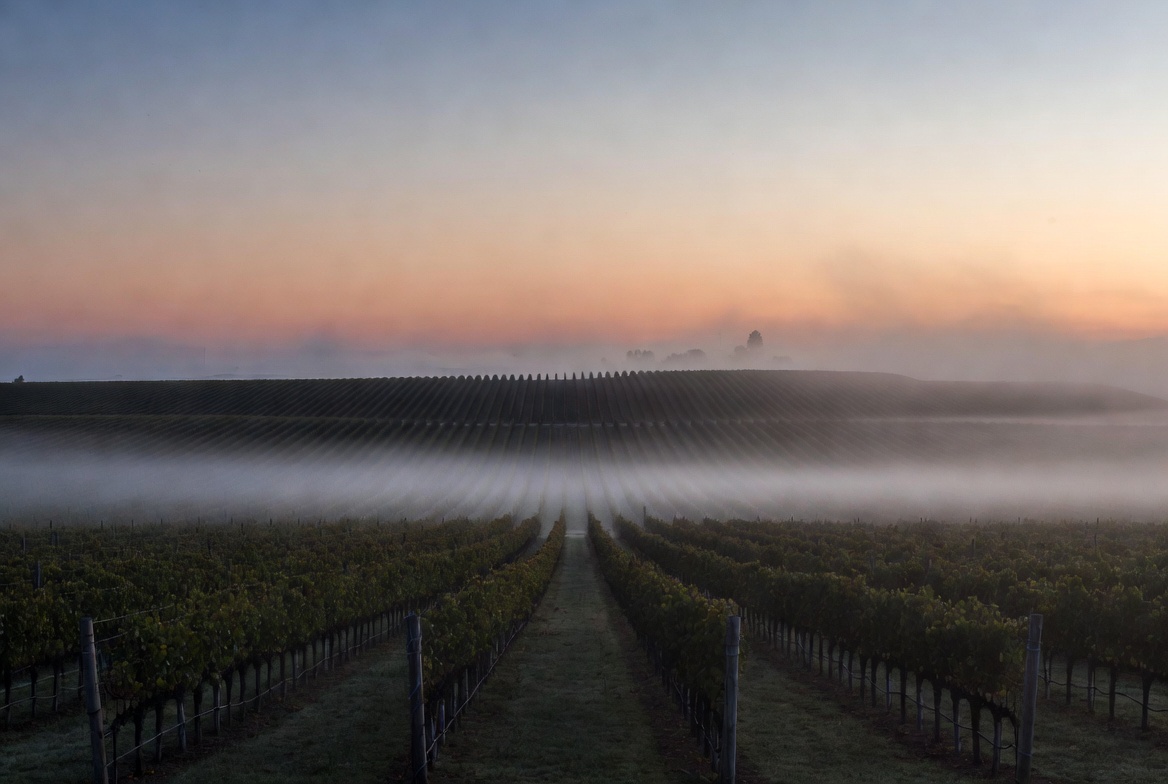
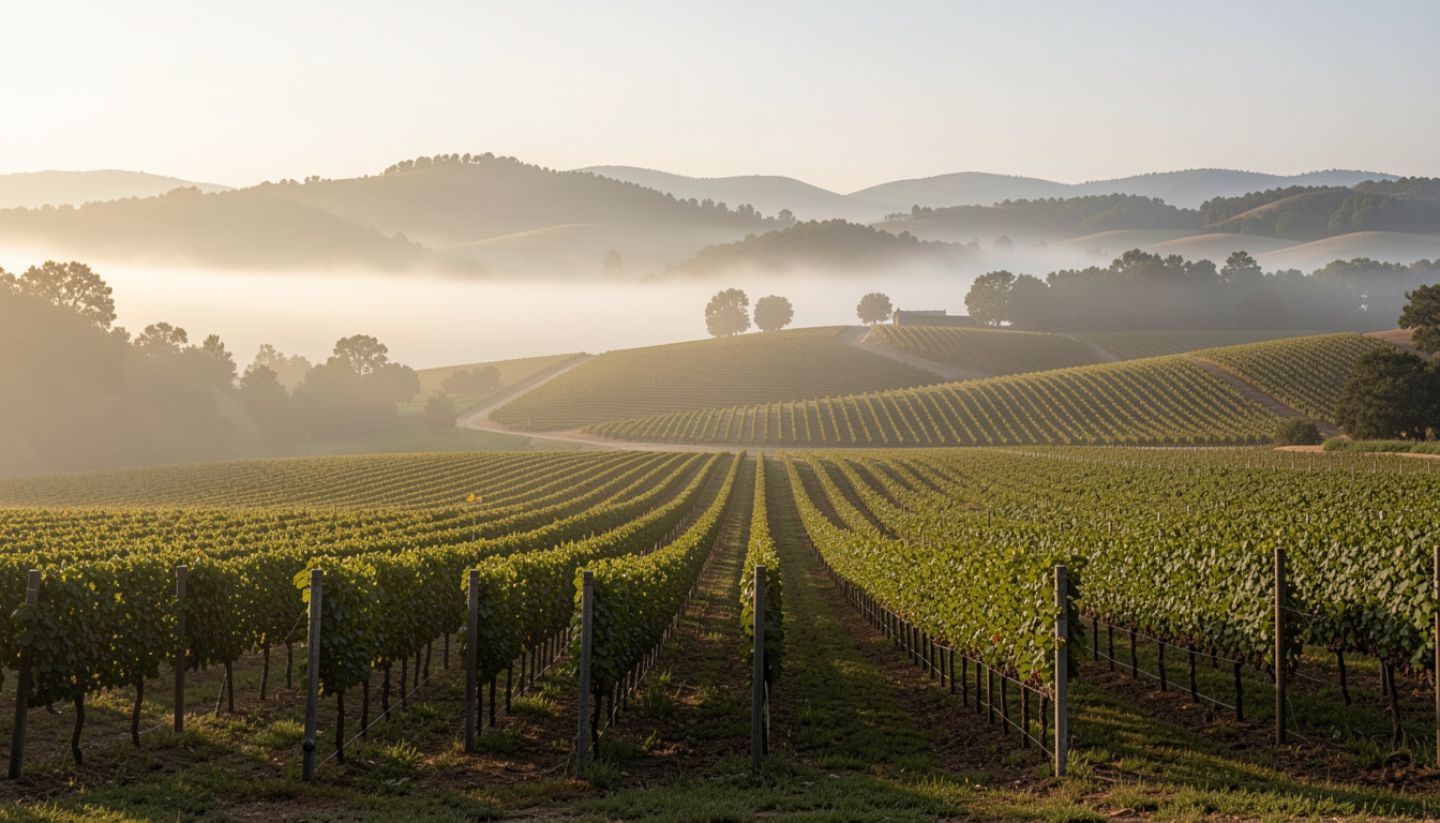
Product people rarely turn their brains off. You are always mapping inputs to outputs, spotting friction, and noticing how one small change affects the whole experience. Napa Valley speaks fluently in that language. This is a place where systems have been refined over generations, where land use, hospitality, and timing interlock naturally. Mornings unfold quietly as fog lifts off the Rutherford benchlands. Processes reveal themselves slowly. Nothing feels rushed, yet everything works. For people who think best in systems, Napa feels intuitive rather than indulgent.
What This Experience Is Really About
Product work is about relationships between parts, not isolated features. Napa works because cause and effect are visible. Farming decisions show up in the glass. Circulation design shapes how guests move through a space. Timing determines whether an experience feels calm or chaotic.
Product people who get the most from Napa tend to focus on a few principles:
Inputs Before Outputs
Soil composition, slope, exposure, and water access matter more than labels or hype.
Flow Over Features
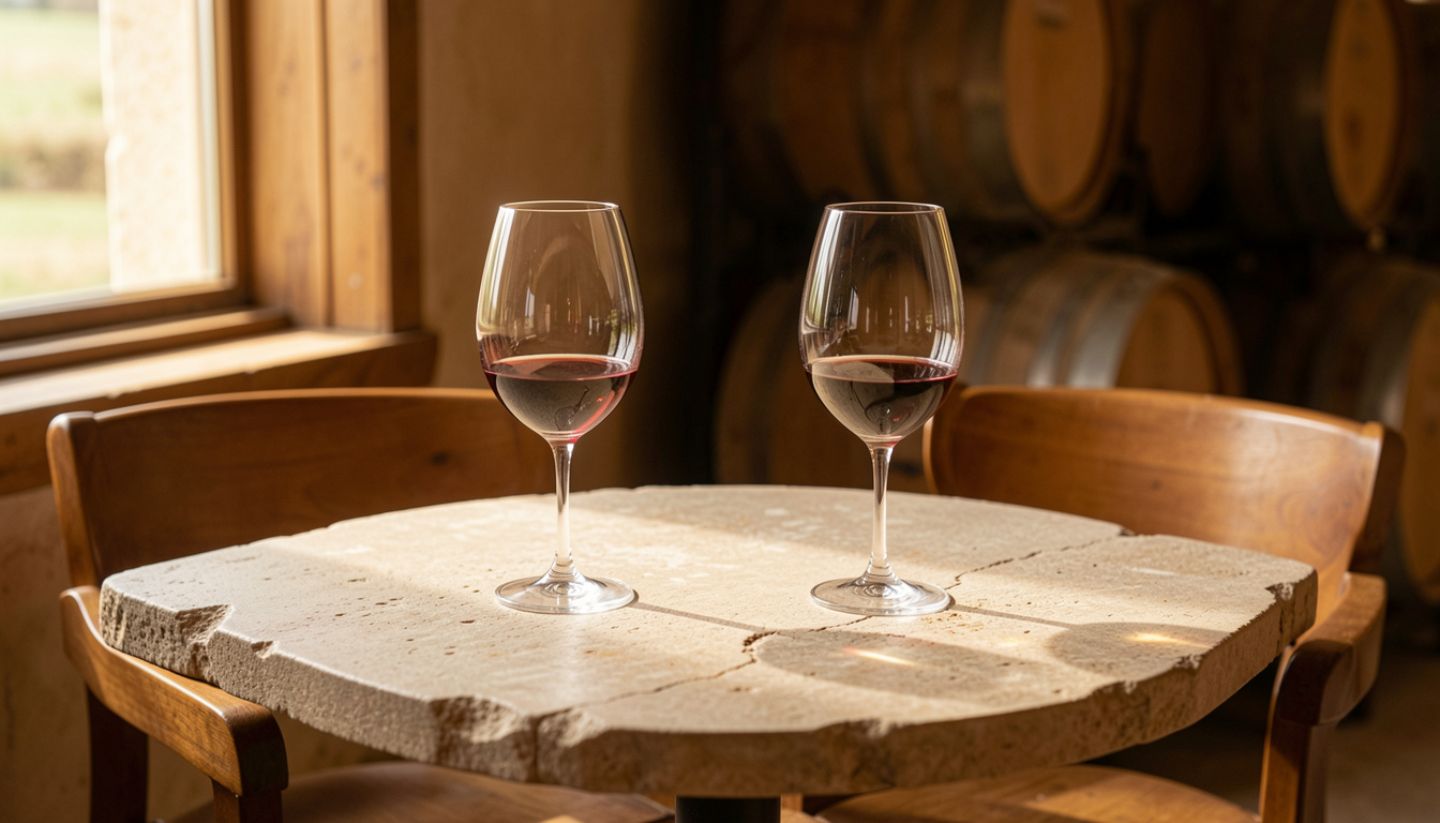
Seated tastings and long meals reveal how premium experiences are sequenced rather than stacked.
Iteration Over Noise
Vineyards adjust year by year. No pivots, no rush. Just refinement.
Here, systems are not theoretical. You can walk them, taste them, and feel where they hold or strain.
When It Is Best
Winter, often called Cabernet Season locally, offers the cleanest system view. Fewer variables, less noise, more signal.
Early spring shows the valley coming back online as pruning gives way to growth.
Midweek travel from Tuesday through Thursday is the clearest read on how Napa actually operates when it is not performing.
What Most Product People Miss
Many arrive trying to optimize the trip itself. That instinct keeps the brain in build mode. Napa rewards a different approach. Make one good decision, then stop deciding. Let the system run. Insight often arrives when you revisit the same place in different light and notice how it adapts without intervention.
My Local Notes
I have spent time here with product leaders who could not stop whiteboarding in their heads. One visit stands out clearly. The plan was deliberately simple. One seated tasting just north of the Yountville Cross Road and one long lunch. By late afternoon, the conversation shifted from roadmaps to patterns in the land. Someone finally said, “This place ships once a year, and it still wins.” That observation stayed with them long after the trip.
How to Spend a Day Thinking in Systems
Morning
Coffee in a walkable downtown like St. Helena. Watch the town wake up and notice how retail, hospitality, and residential spaces overlap without friction.
Midday
One seated winery experience focused on site and farming decisions. Ask how irrigation, trellising, and soil health influence consistency rather than flavor notes.
Afternoon
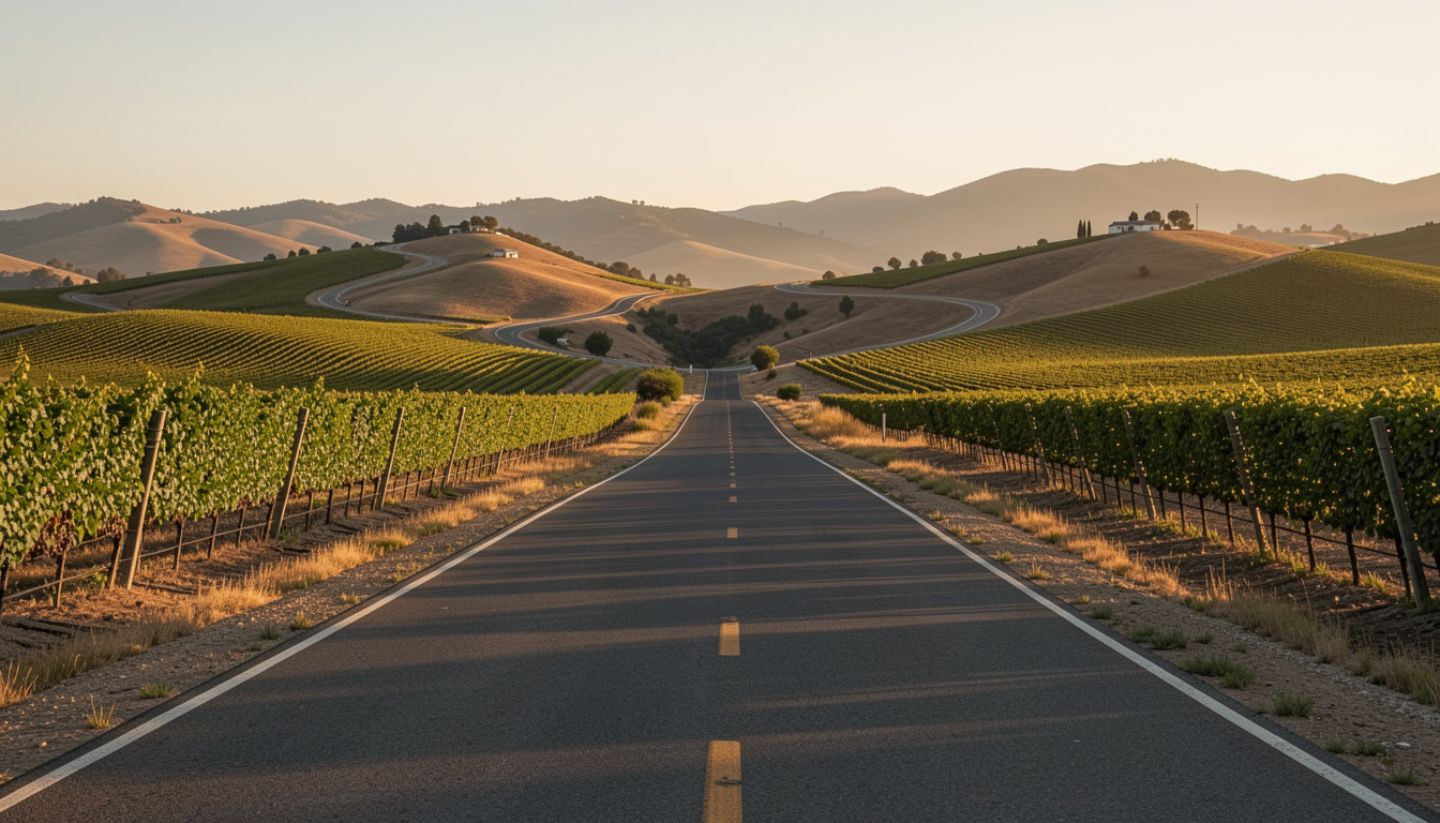
Drive Silverado Trail north toward Calistoga. It offers a clearer read on elevation, drainage, and land segmentation than the busier Highway 29.
Evening
Dinner somewhere restrained like The Charter Oak or Farmstead at Long Meadow Ranch. One bottle, no comparisons. Let the day integrate.
Where to Stay
St. Helena feels grounded and residential, close to the operational heart of the valley.
Yountville is efficient and walkable, a well-designed system in town form.
Calistoga, fifteen minutes north, is slightly removed and ideal for decompression and reflection.
Food and Wine Focus
Avoid experiences that feel like feature overload. Choose places that do a few things exceptionally well. One thoughtful library tasting per day is enough. In Napa, wine behaves like a mature product: stable, expressive, and improved by patience.
Gentle Local Integration
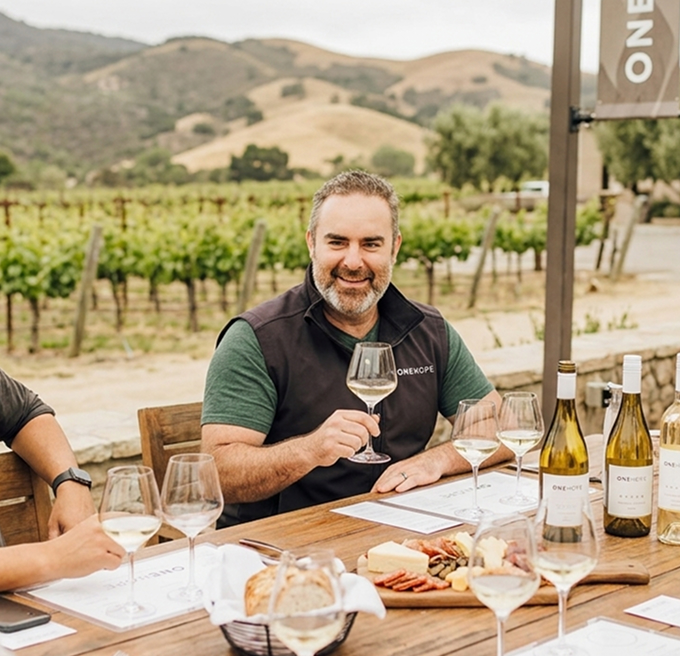
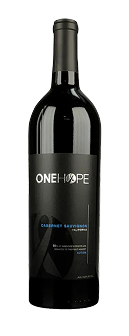
I will acknowledge my bias here. Building Estate 8 and ONEHOPE came from a product mindset before I ever named it that way. They are very much my baby, shaped by iteration, feedback, and respect for the system as a whole. Some of the most meaningful product conversations I have witnessed happened quietly at our shared tables, when no one was trying to solve anything and patterns revealed themselves anyway.