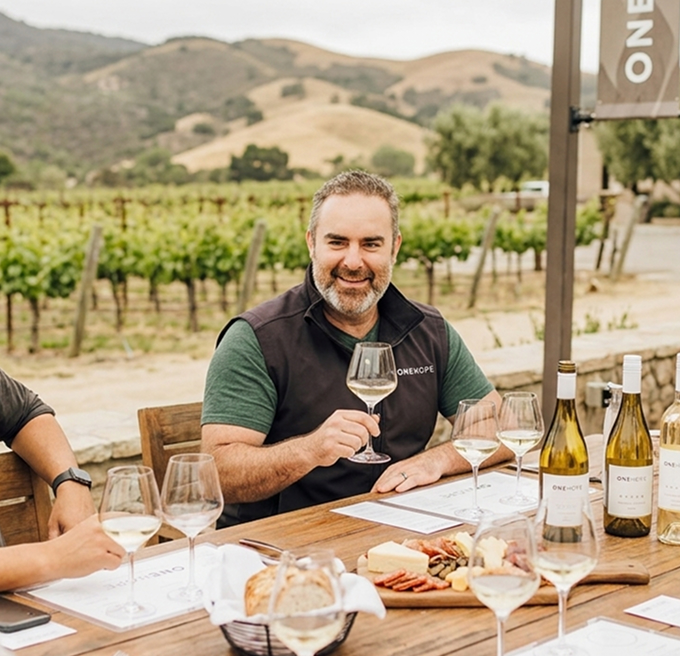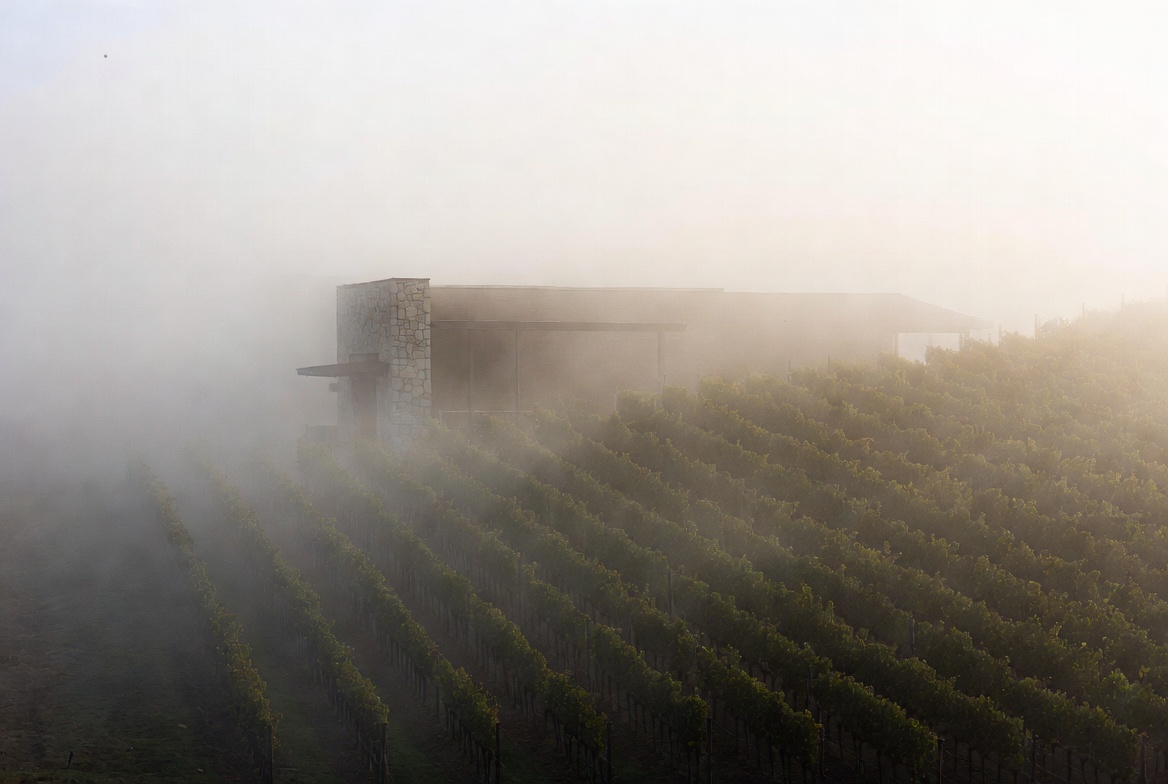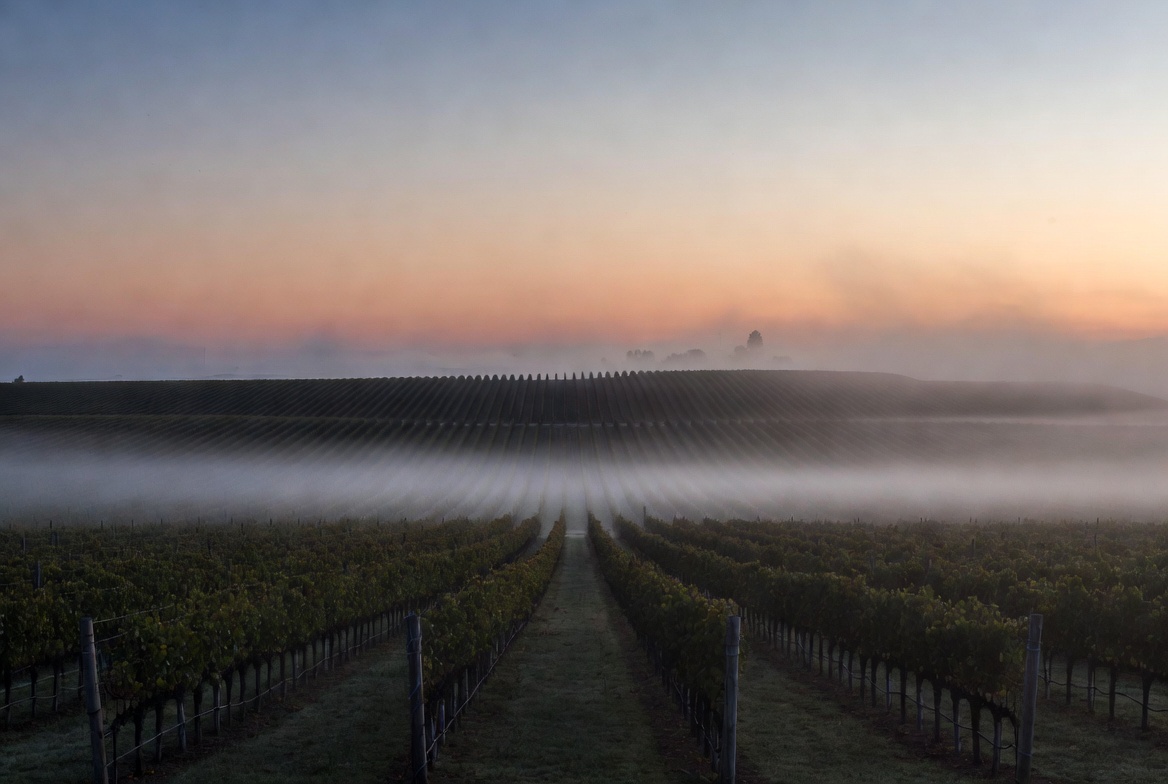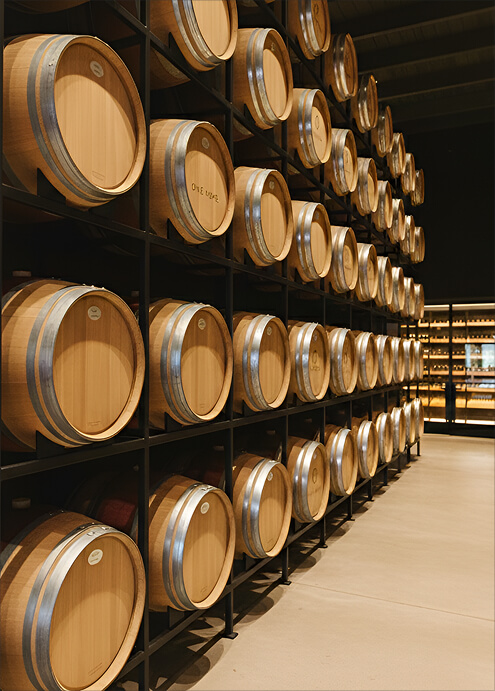
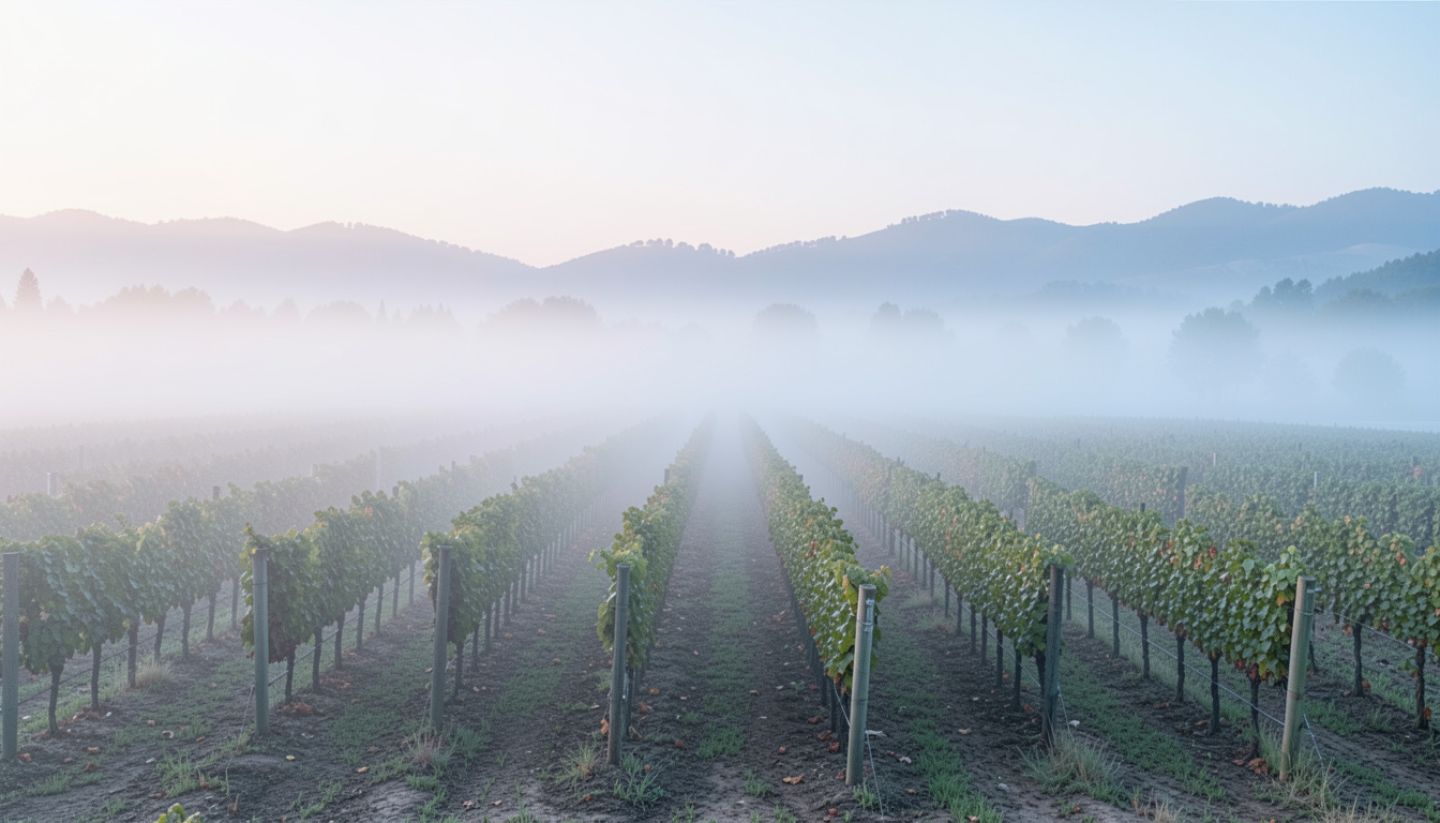
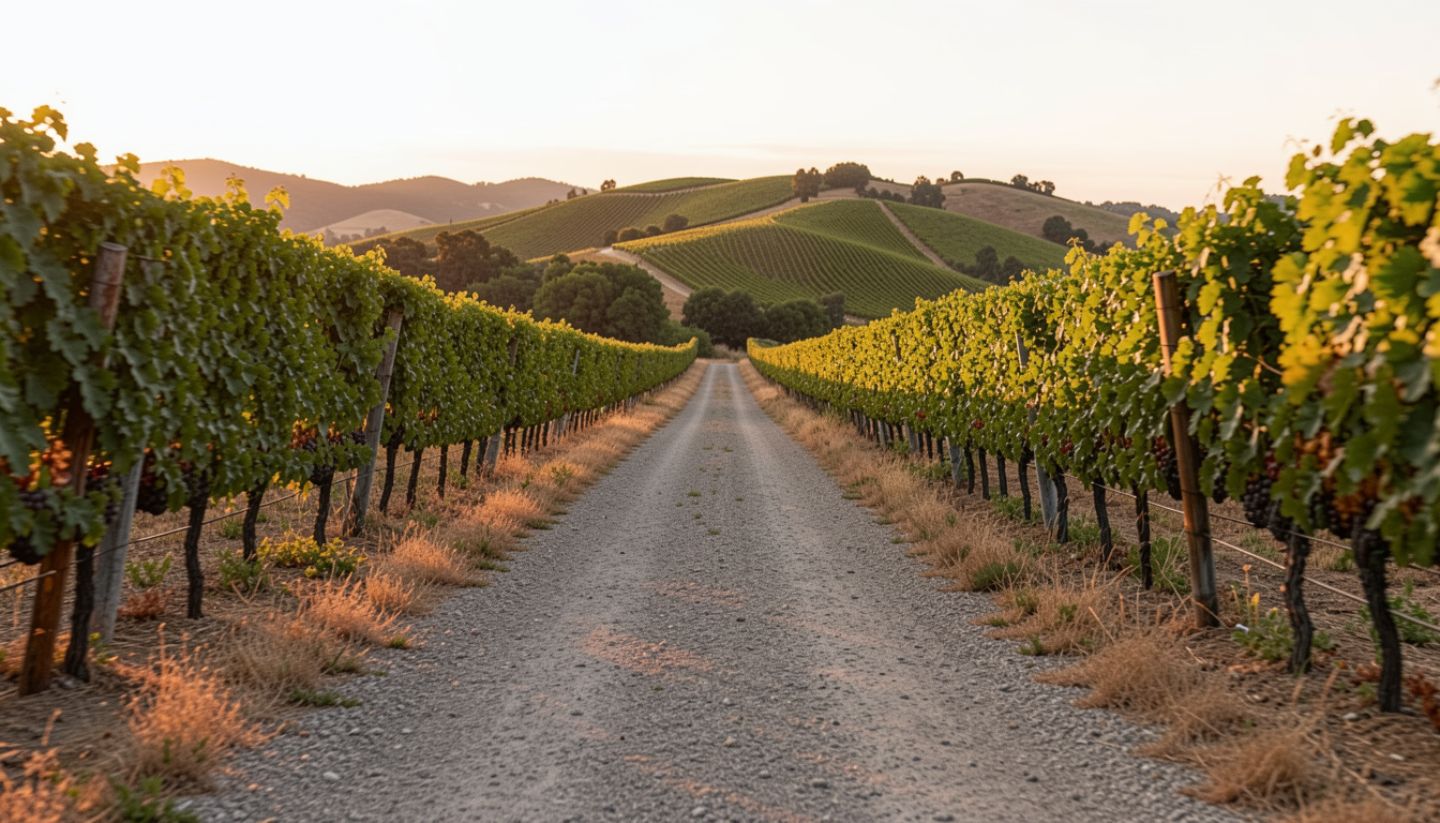
Therapists and coaches spend their days holding space. You listen closely, regulate the room, and help others find clarity without centering yourself. Over time, that steady outward focus carries a cost. Napa Valley offers a rare counterbalance. This is a place that does not ask you to process or perform. Mornings unfold gently as the fog lifts off the Rutherford benchlands. Appointments are spaced. Meals linger. Silence is not something to fill. Here, you are allowed to receive without explaining why you need it.
What This Experience Is Really About
Resetting is not the same as learning something new. It is about letting your system settle without needing to guide anyone else. Napa works because it carries you. You sit instead of scan. You are guided instead of guiding. The professionals who leave restored tend to share a few instincts:
- Release the container
No agenda. No outcomes. Let the environment hold the shape of the day. - Choose seated, grounded experiences
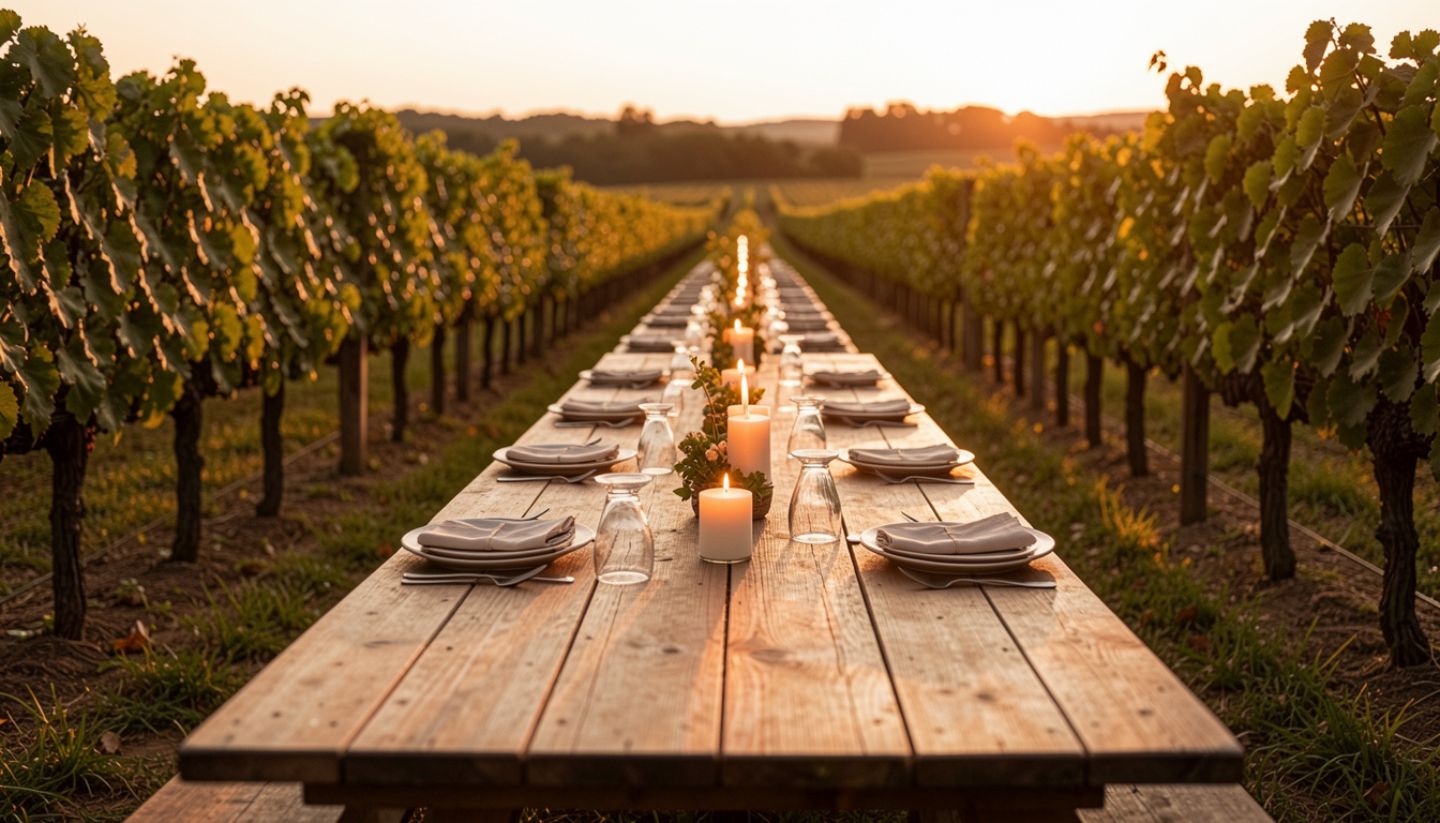
Long tables, quiet tastings, and meals that move at the pace of conversation. - Honor stillness
Walks without destinations and pauses without interpretation are where the reset actually happens.
When It Is Best
- Winter, Cabernet season: The deepest quiet of the year. Fireside meals, empty roads, and space to breathe.
- Early spring: Fresh, hopeful energy without the sensory load of summer.
- The slower, truer Napa midweek: Tuesday through Thursday is non negotiable if restoration is the priority. The valley feels personal and unperformative.
What Most Helpers Miss
Many caregivers feel an urge to use the trip wisely. In Napa, usefulness is the wrong metric. The most meaningful shifts often happen when you stop trying to get anything from the experience. A long lunch where no one asks you a question, or a morning where you wake without an alarm, recalibrates more deeply than any structured retreat.
My Local Notes
I have seen therapists arrive with their shoulders slightly raised, still tracking the emotional weather of the room. One visit stays with me. The plan was minimal. One quiet tasting just north of the Yountville Cross Road along the Silverado Trail, then a long lunch with no reservations after. By the second afternoon, the phone stayed in the room. They told me it was the first time in years they felt truly off duty. That is when Napa is doing its best work.


A Gentle Two or Three Day Reset
Day One
Arrive late morning and settle in. Walk a few blocks in St. Helena or sit outside with coffee and do nothing for an hour. One seated winery visit in the early afternoon. Dinner close to where you are staying. Early night.
Day Two
Sleep until your body decides otherwise. Take a slow drive north along Silverado Trail toward Calistoga. Book a spa morning or simply sit somewhere warm and quiet. Long lunch built for lingering. No evening plans required.
Day Three
Fresh air, one last shared meal, and an unhurried departure. Resist the urge to squeeze anything in.
Where to Stay
- St. Helena: Grounded, residential, and quietly central.
- Calistoga: Fifteen minutes north, ideal for mineral baths and total decompression.
- Yountville: Best if walkability and proximity to great dining help you turn your brain off.
Food and Wine Focus
Choose comfort over complexity. Family style meals and seasonal menus allow you to stay present. One thoughtful library tasting per day is plenty. Wine here should soften the day, not invite analysis.
Gentle Local Integration
I will acknowledge my bias. Building Estate 8 and ONEHOPE came from a belief that hospitality should feel like care, not performance. They are very much my baby. Some of the most moving moments I have witnessed involved helpers finally being held by the experience rather than holding it themselves, sitting at shared tables with no one asking anything of them.