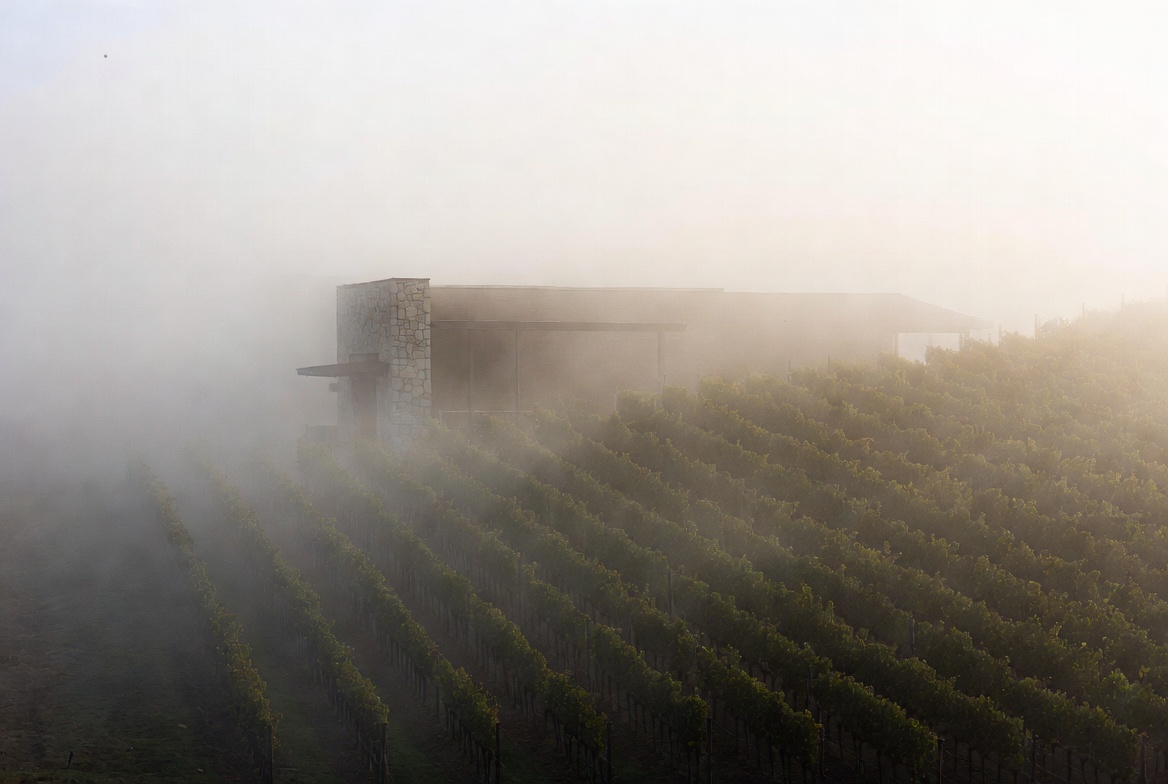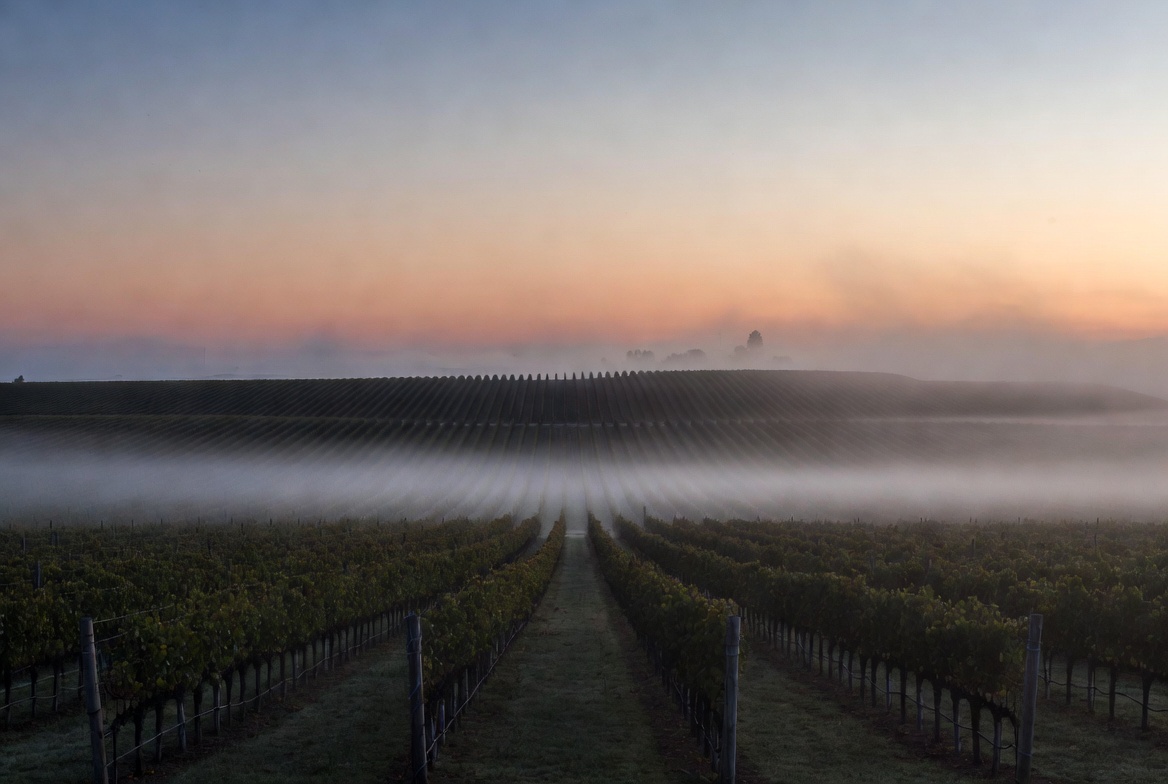
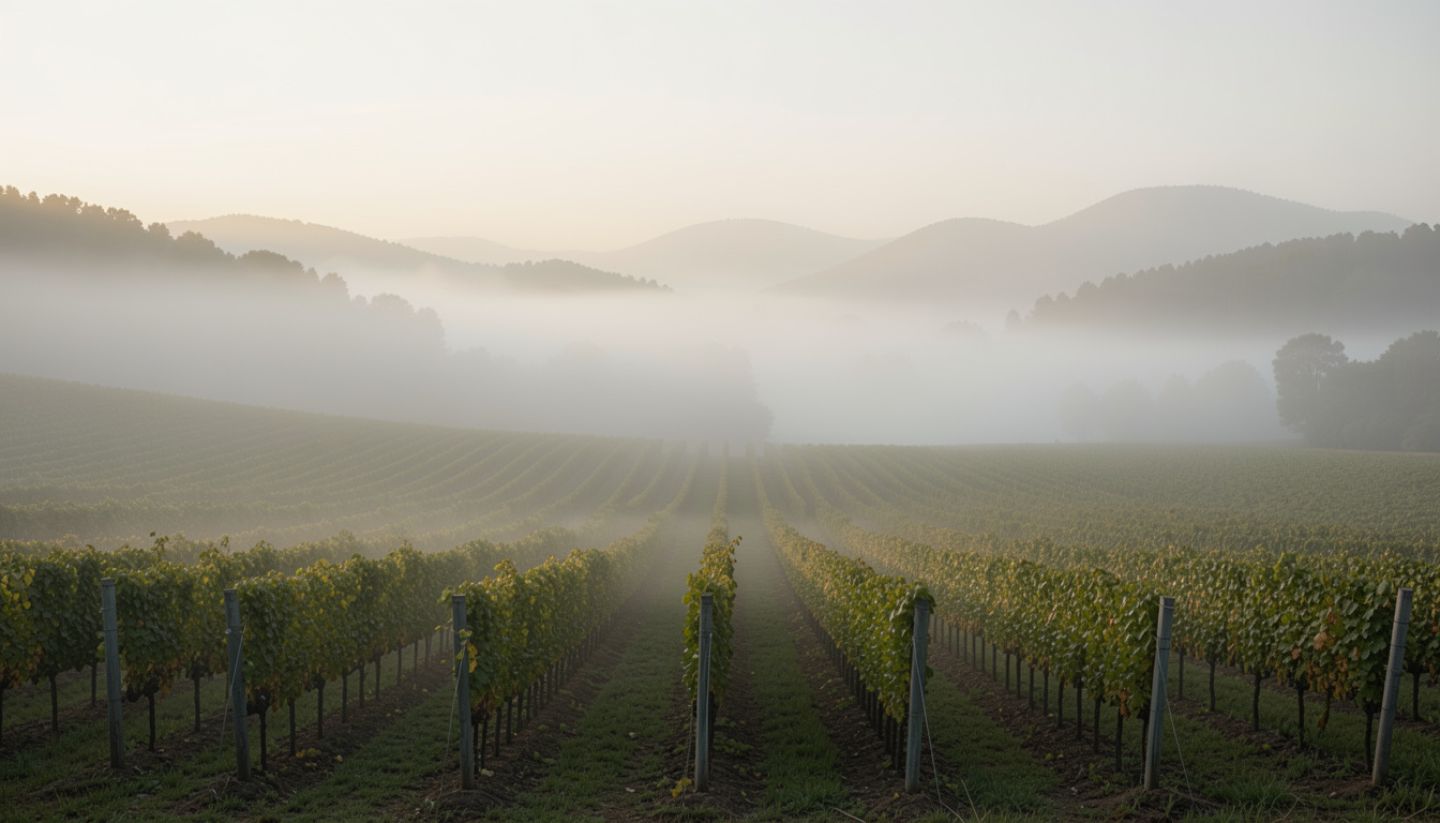
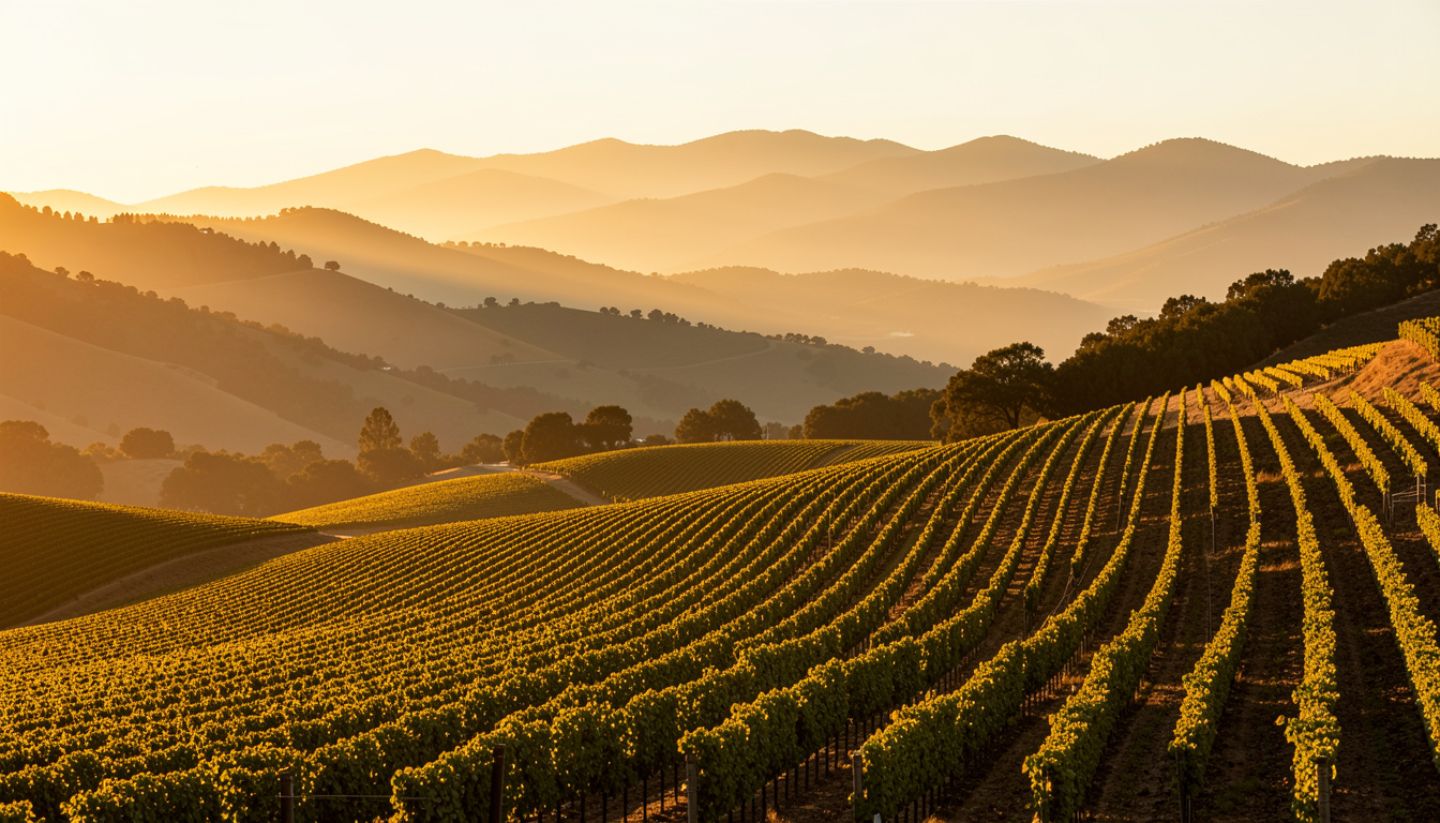
Light behaves differently here. It arrives softly, moves with intention, and lingers just long enough to reward patience. Napa Valley has always been a working landscape first, shaped by fog, slope, and season long before it became a destination. For artists and photographers, that honesty is the draw. Mornings begin with low fog settling into the valley floor, especially along the Rutherford benchlands. Afternoons stretch under a clean, directional sun. Evenings bring a quiet glow that wraps the vines and the Mayacamas foothills without asking for attention. This is a place where light does not perform. It reveals.
What This Experience Is Really About
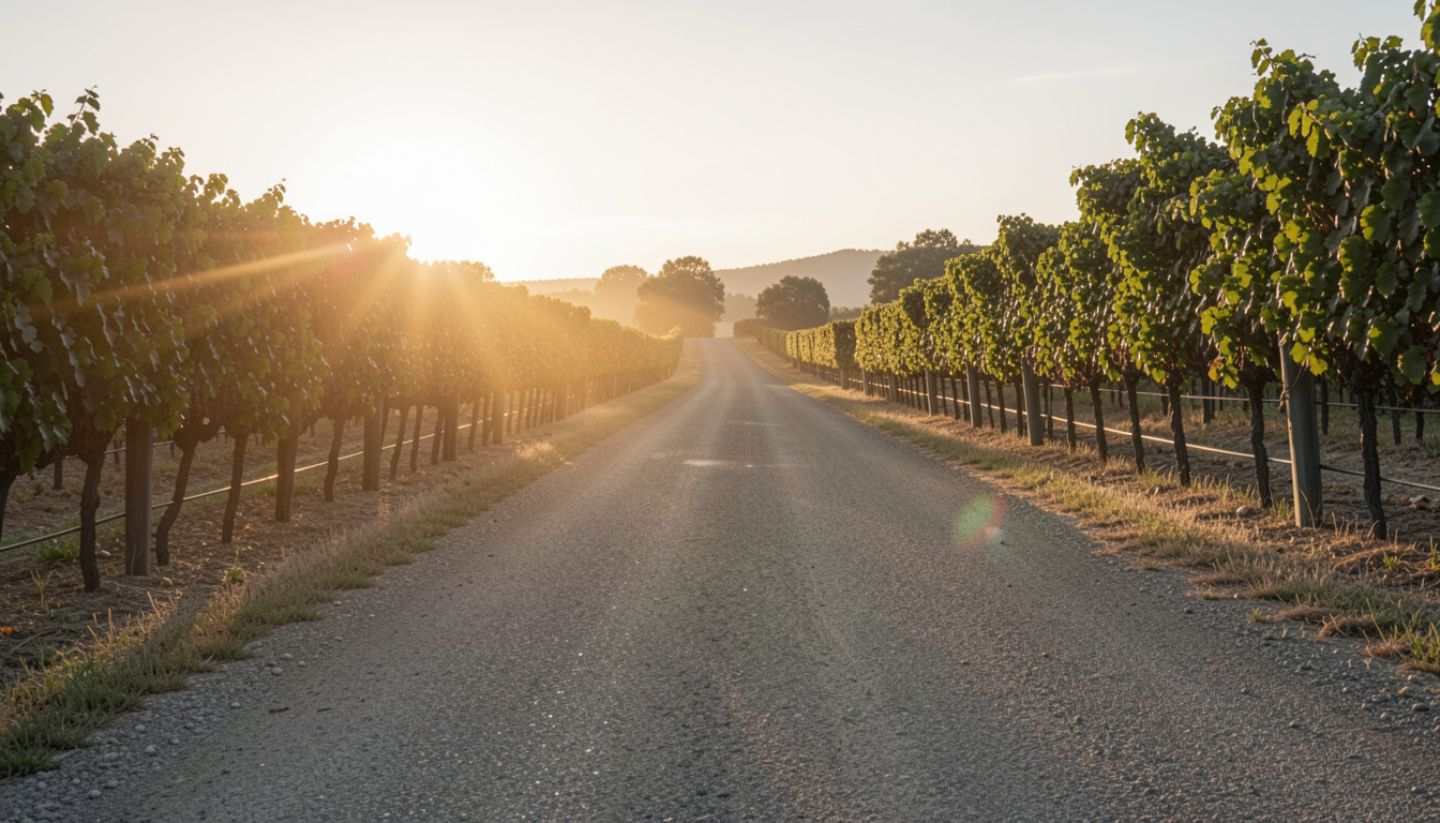
Chasing light is not about covering ground. It is about staying long enough to notice the shift. Napa works because it slows you down without forcing it. Vineyard rows create natural leading lines. Benchlands and hillsides give shape without spectacle. The Mayacamas range softens shadows as the day moves on. Fog behaves more like a moving scrim than a curtain, revealing depth in stages rather than all at once.
Artists who do their best work here tend to follow a few instincts:
- Return to the same spot twice
Morning fog and late light tell two entirely different stories in the same frame. - Let the land do the composing
Benchlands, hillside blocks, and the valley floor create structure without forcing drama. - Work in silence
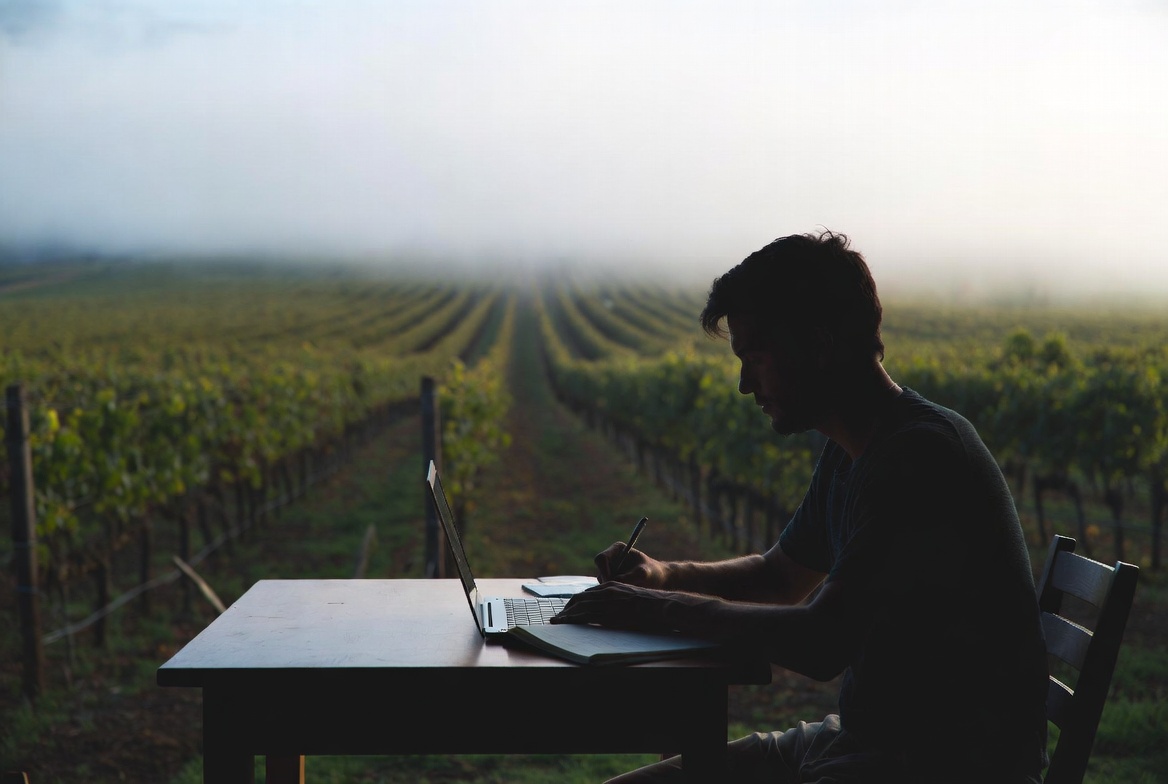
The absence of noise sharpens what you notice. You see more when nothing competes for your attention.
When It Is Best
- Winter brings long shadows, layered fog, and the most sculptural light of the year.
- Spring offers fresh greens, mustard blooms, and crisp mornings that reward early starts.
- Summer delivers reliable golden hour once the heat softens in the late afternoon.
- Fall adds harvest texture, dust in the air, and what locals call Cabernet light, warm and grounding.
The truest window is midweek, when the valley feels less staged and more lived in.
What Most Artists Miss
Many arrive looking for iconic shots and leave with images that feel familiar. Napa’s strength is not novelty. It is restraint. The strongest work often comes from staying put while others move on. A single vineyard row seen at three different moments in the day will teach you more than ten locations rushed through once.
What Most Artists Miss
Many arrive looking for iconic shots and leave with images that feel familiar. Napa’s strength is not novelty. It is restraint. The strongest work often comes from staying put while others move on. A single vineyard row seen at three different moments in the day will teach you more than ten locations rushed through once.

My Local Notes
I have watched photographers set up early, only to pack up too soon. One morning stays with me. The fog sat longer than expected just off Silverado Trail, thick enough to flatten the scene and frustrate anyone in a hurry. Most people left. One artist stayed. When the fog finally lifted, the vines revealed layers and separation that felt almost three dimensional. No filters. No tricks. Just patience. Napa rewards that every time.
A Light Chasing Day in Napa
Early Morning
Be in place before sunrise. Look for valley floor vineyards where fog pools and thins slowly. Let the light come to you.
Late Morning
Coffee and review. Sit somewhere quiet and resist the urge to chase the next frame too quickly.
Afternoon
Scout without pressure. Walk vineyard edges, hillsides, and fence lines. Notice how the light is setting up for later.Golden Hour
Return to a known spot. Late light along the foothills or north toward Calistoga offers warmth without harsh contrast.
Where to Stay
- St. Helena feels central and grounded, close to both valley floor and hillsides.
- Calistoga sits fifteen minutes north and suits early mornings and quieter evenings.
- Yountville works well if walkability helps you stay unhurried and observant.
Food and Wine Focus
Eat simply. Long lunches and early dinners leave space for light, not logistics. One thoughtful seated tasting per day is plenty. Anything more pulls you out of observation mode and back into scheduling.
Gentle Local Integration
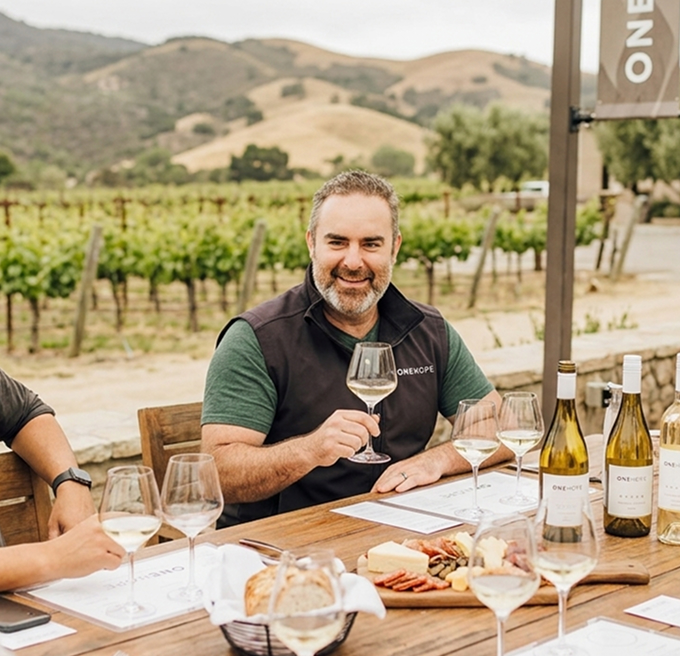
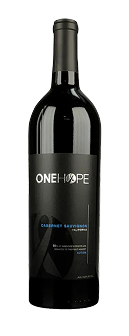
I will acknowledge my bias here. Building Estate 8 and ONEHOPE grew out of watching how light moves across this valley year after year. They are very much my baby. Some of the most memorable creative moments I have witnessed happened quietly at our shared tables or from our private 360 degree tower, when artists stopped shooting for a moment and simply watched the valley breathe.