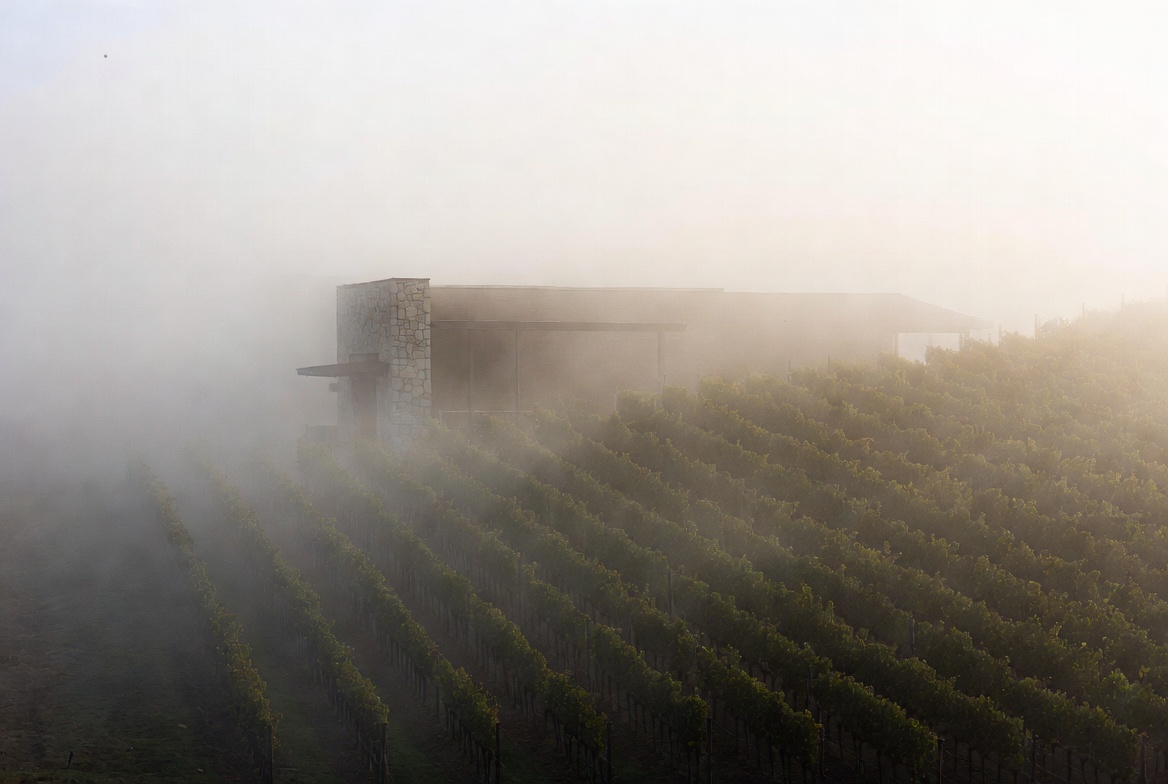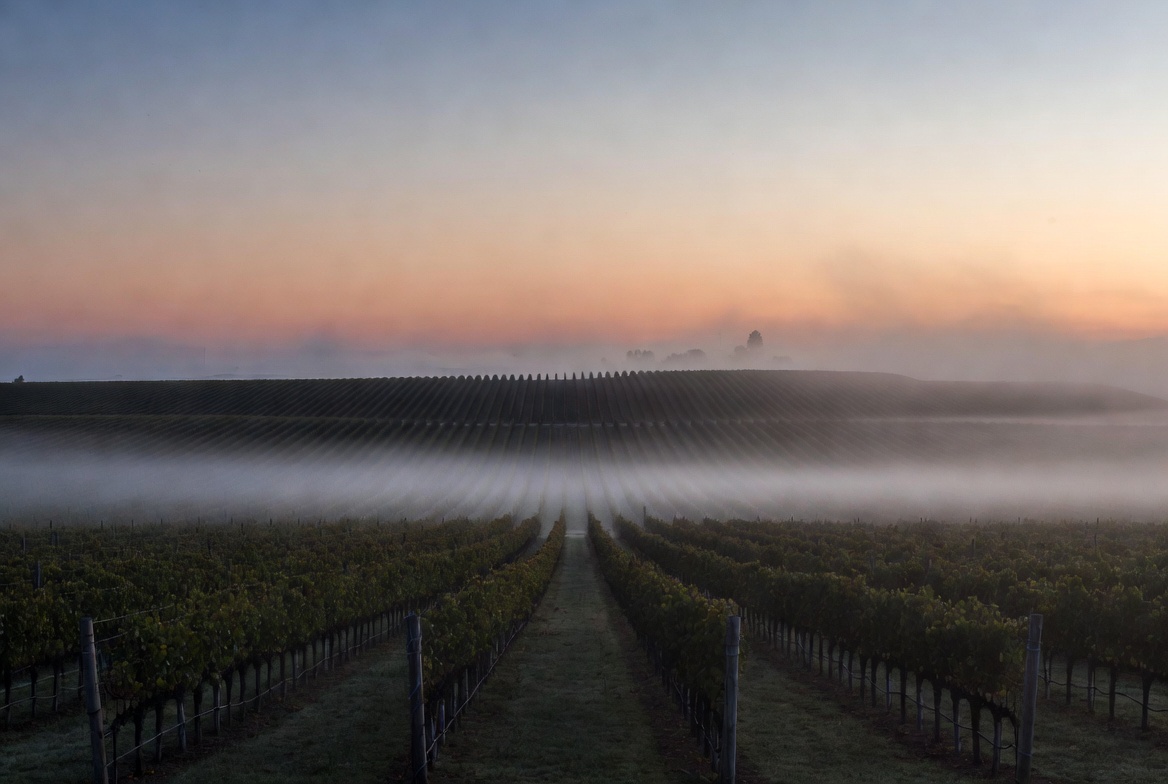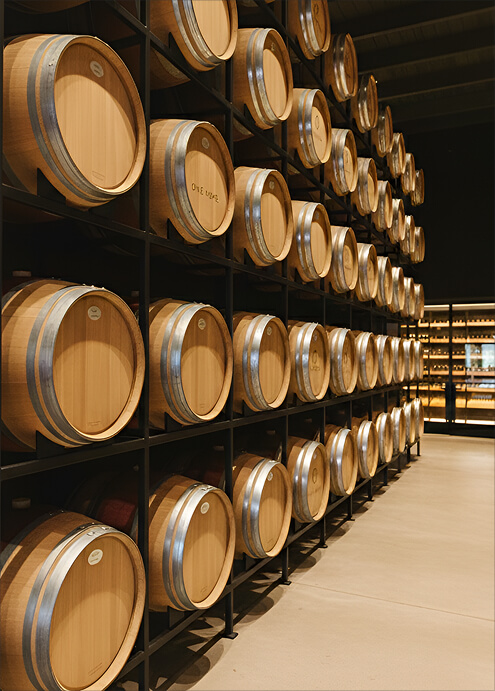
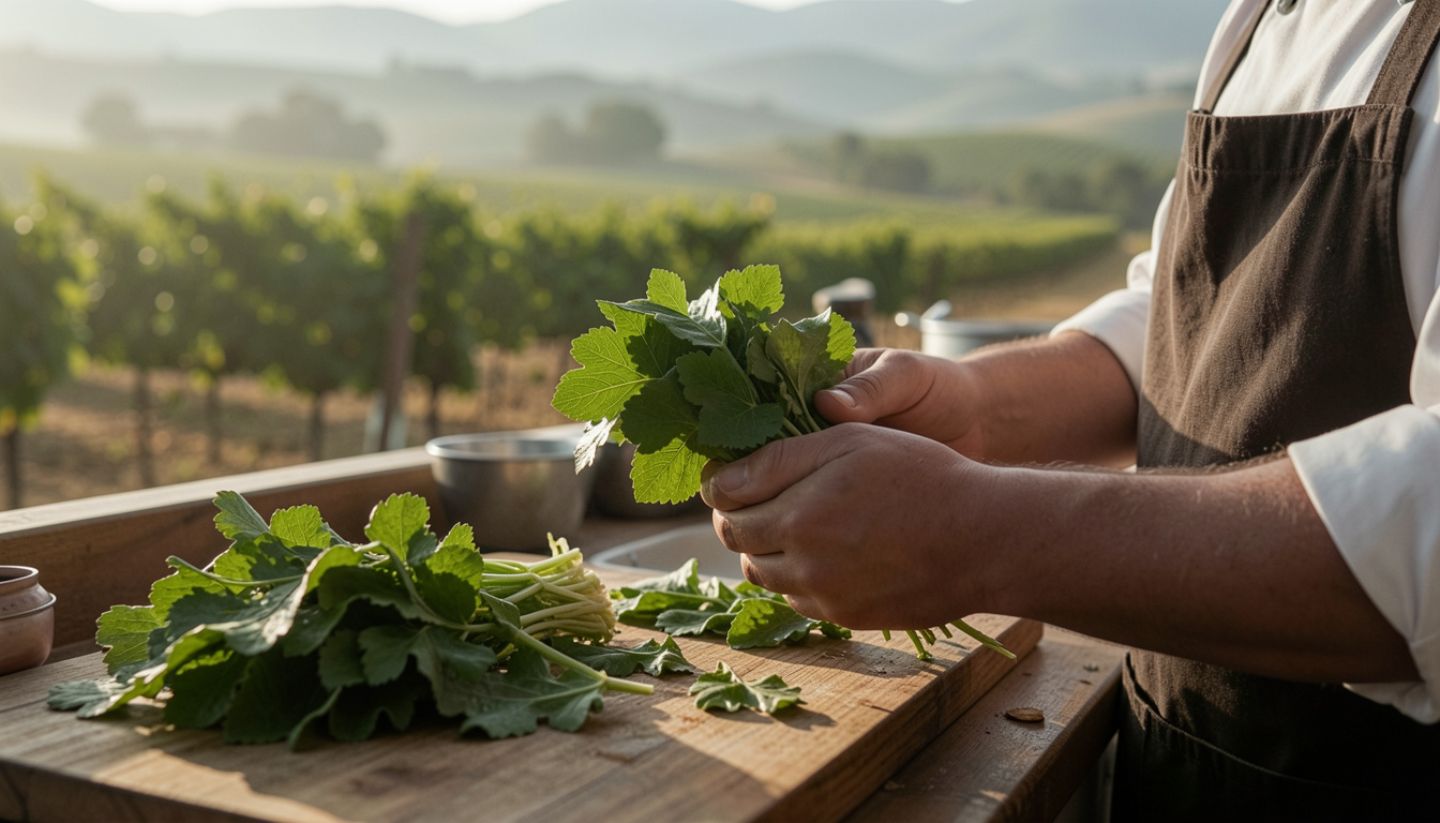
Chefs travel differently. You do not arrive looking for spectacle. You arrive looking for source. You notice soil before plating, technique before trend, restraint before flourish. Napa Valley has always spoken that language quietly. This is a working valley where decisions start in the ground and end on the plate. Mornings open slowly as the fog lifts off the Rutherford benchlands. Farmers move with purpose. Kitchens plan around what is ready, not what is expected. For chefs who travel for ingredients and technique, Napa feels less like a destination and more like a reference point you return to.
What This Experience Is Really About
This is not a culinary tour. It is an immersion in how decisions compound. Napa works for chefs because nothing here is abstract. Farming choices show up in flavor. Timing shows up in texture. Technique reveals itself if you slow down enough to watch it unfold.
Chefs who get the most from Napa tend to focus on three principles:
Ingredients First
The valley is driven by what is ready. Seasonality is not a theme; it is a constraint that sharpens technique.
Technique Through Restraint
Napa cooking often looks simple because the real work happened earlier in sourcing, repetition, and timing.
Time as an Ingredient
Long lunches, slow reductions, extended fermentations. Napa respects patience the same way a good kitchen does.
When It Is Best
Spring
Green and precise. Early produce, fresh acids, and clarity that mirrors vineyard growth.
Summer
Early starts and late evenings. Heat recedes, and Cabernet light softens the valley.
Fall (Post-Harvest)
The richest moment. Root vegetables, preserved elements, and a sense of completion.
Winter (Cabernet Season)
The most honest season. Fewer distractions, more focus on technique, and fireside comfort.
The Slower, Truer Napa Midweek
Tuesday through Thursday offers the best access to growers, winemakers, and chefs who actually have time to talk shop.
What Most Chefs Miss
Many arrive chasing famous tables and miss the quiet work behind them. Napa teaches best away from the pass. The real insight often comes from a morning at the farmers market, a conversation with a grower, or watching how a kitchen holds a long, unbroken service without theatrics. The lesson is not what is plated. It is the discipline that allows it to arrive the same way every time.
My Local Notes
I have walked Napa with chefs who stopped taking notes halfway through the day. One visit stays with me. The plan was intentionally spare. One seated tasting just north of the Yountville Cross Road. One long lunch. No dinner reservation. By late afternoon, the conversation had shifted from menu ideas to sourcing discipline and kitchen flow. No one talked about trends. Everyone left sharper. That is usually how Napa works when you let the valley set the pace.
How to Spend a Day as a Chef in Napa
Morning
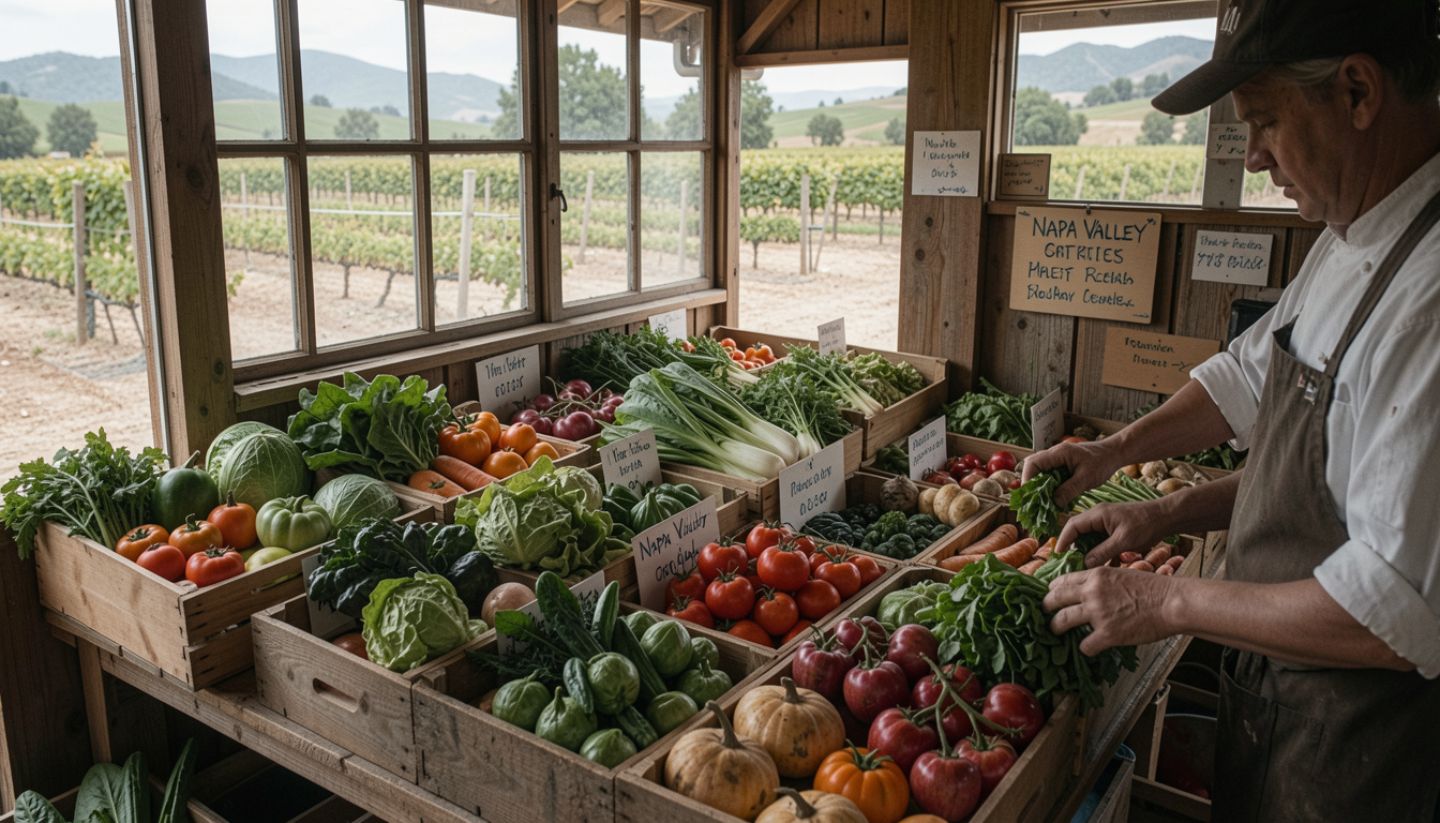
Start early. Coffee in St. Helena, then visit a farm stand or Oxbow Public Market. Look at what is actually available, not what is styled.
Midday
One seated winery or producer visit focused on farming and process. Ask about decisions like drainage on the Rutherford bench or canopy management, not accolades.
Afternoon
Walk vineyard edges or take the back roads along Silverado Trail. Let ideas settle without forcing them.
Evening
One thoughtful meal built around seasonality at places like The Charter Oak or Farmstead at Long Meadow Ranch. Sit long enough to notice pacing and how the room breathes.
Where to Stay
St. Helena
Grounded, central, and close to the valley’s working core.
Yountville
Walkable and refined, ideal for observing professional service rhythms without the mental load of driving.
Calistoga
Fifteen minutes north. Quieter, slower, and well suited for early mornings and full decompression.
Food and Wine Focus
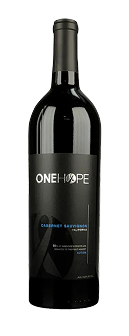
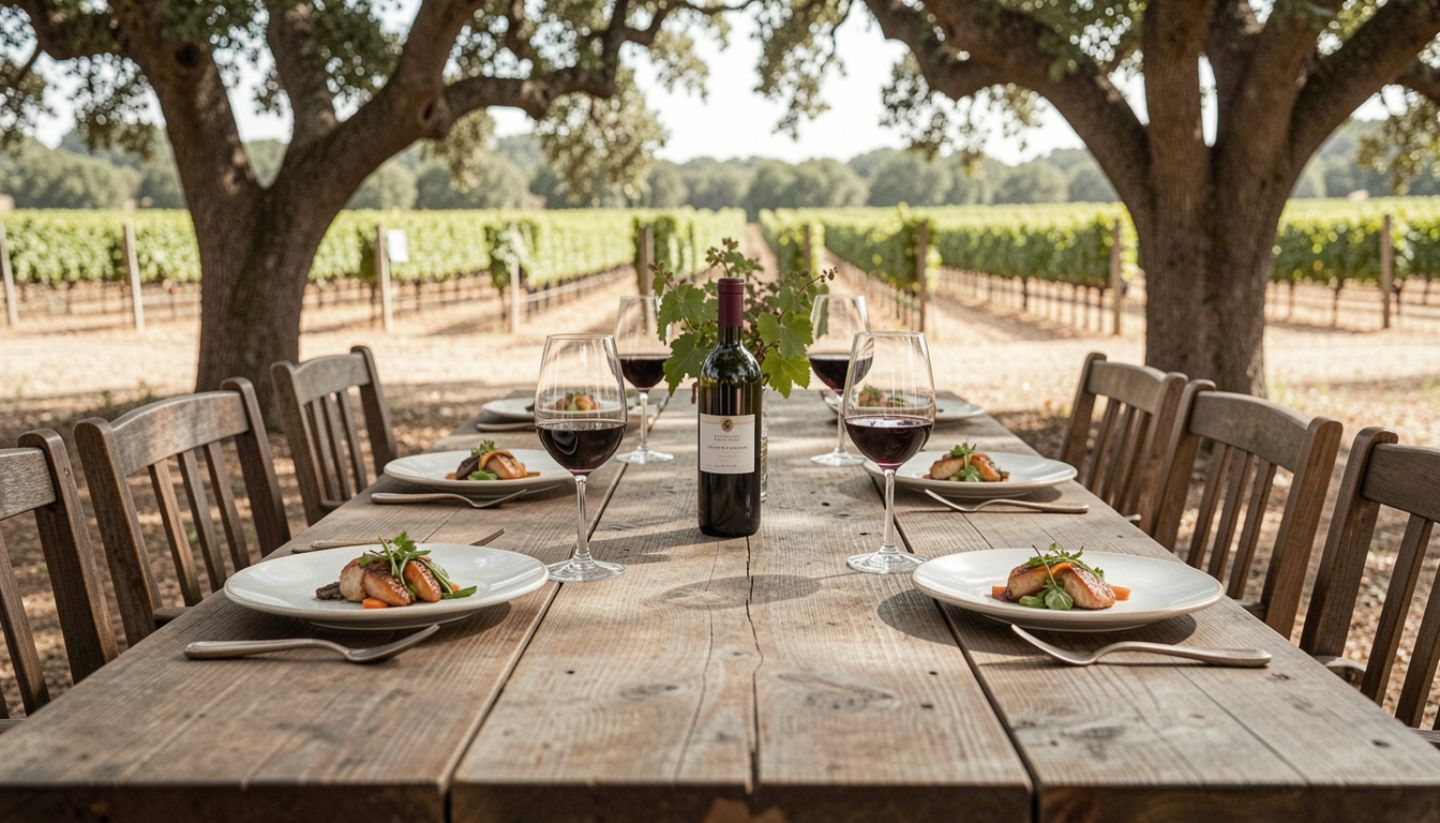
Avoid overprogramming. One meaningful pairing or tasting per day is enough. Look for magnums at shared tables and menus that change because the ingredient demanded it. Napa wine shows best when it supports the food instead of competing with it.
Gentle Local Integration
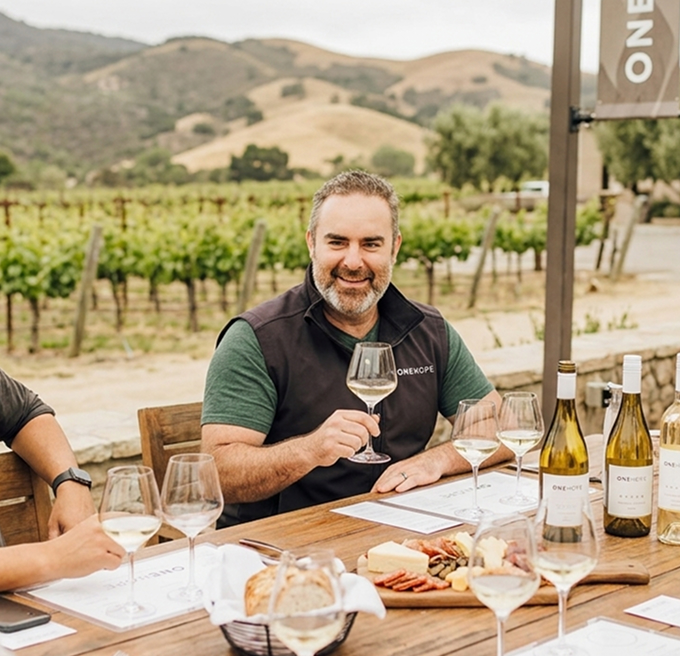
I will acknowledge my bias here. Building Estate 8 and ONEHOPE came from years of watching how ingredient integrity and technique create trust. They are very much my baby. Some of the most grounded chef conversations I have witnessed happened quietly at our tables, when the view of the Mayacamas did the talking and the work spoke for itself.