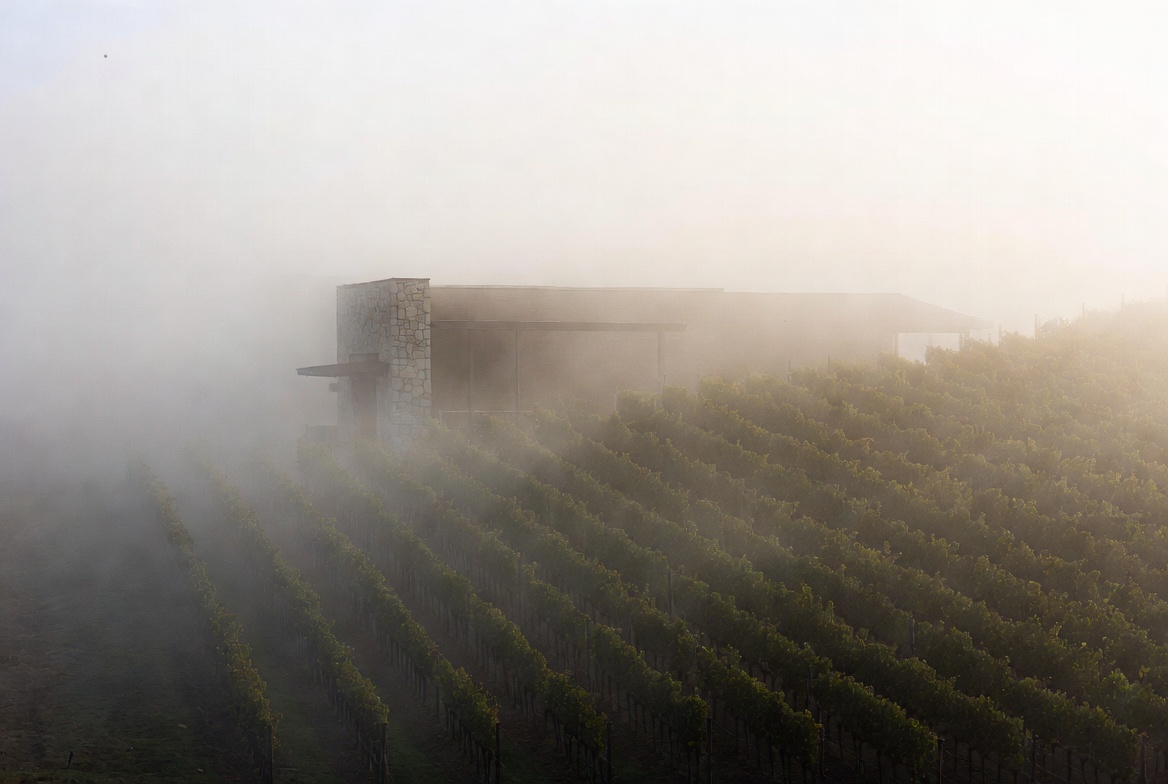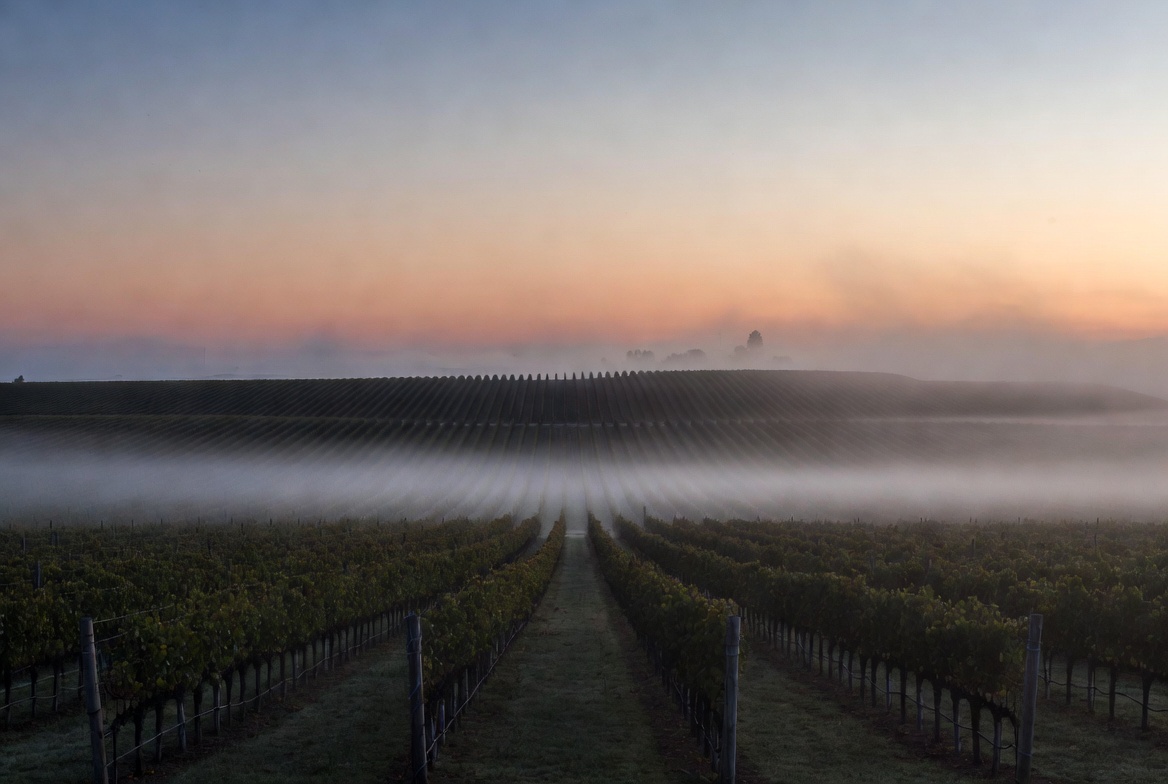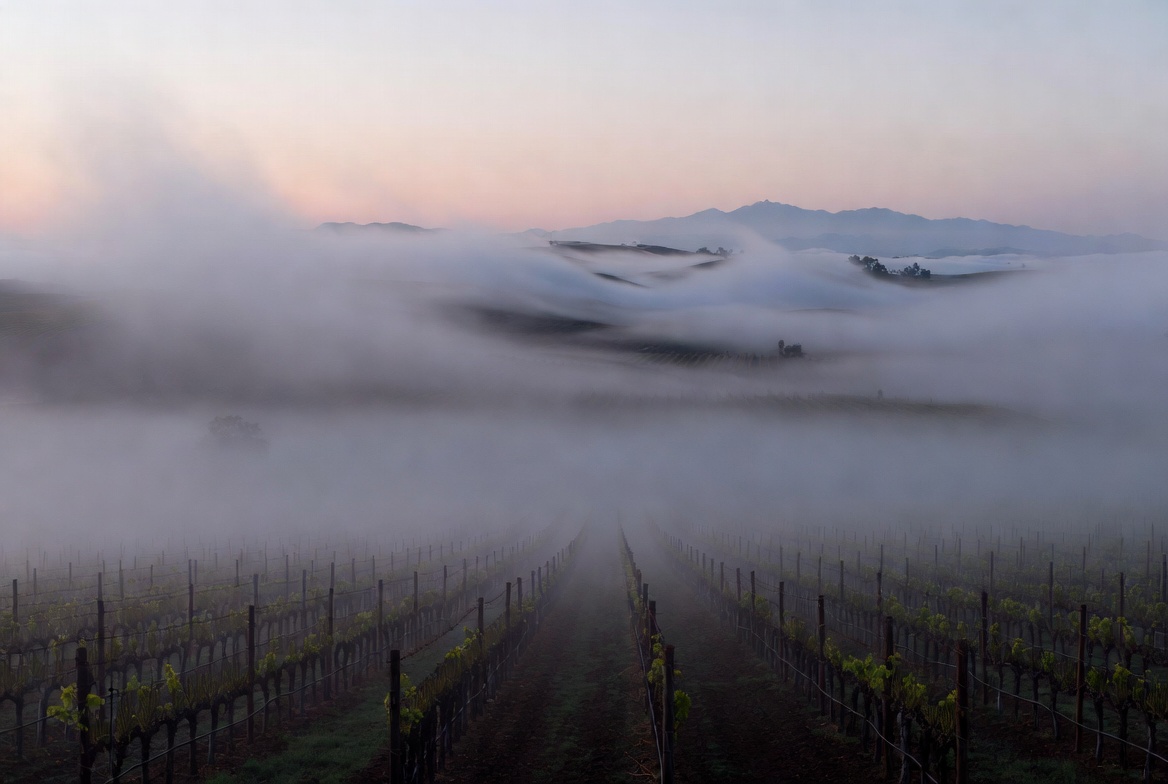
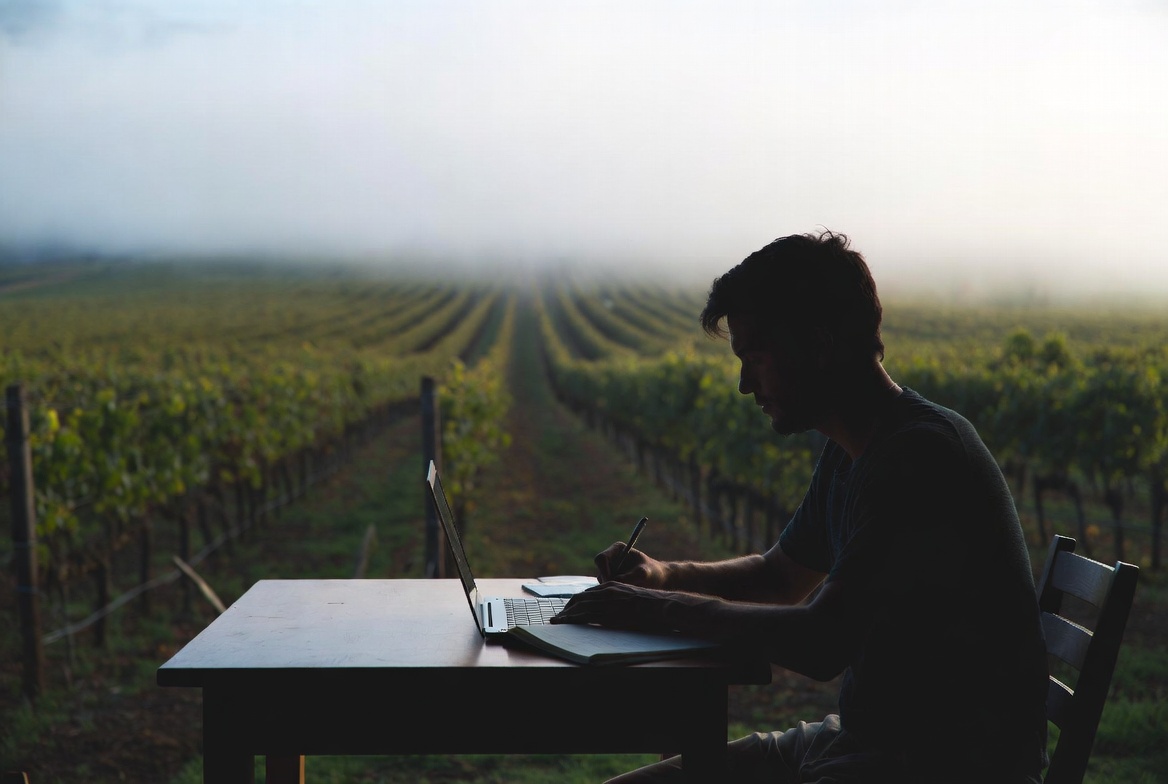
Big writing projects do not respond to pressure. They respond to time, quiet, and a place that does not interrupt your internal rhythm. Napa Valley has always offered that kind of environment. This is a working valley shaped by repetition and patience, not urgency. Mornings begin softly as fog lifts off the Rutherford benchlands. Roads curve instead of rush. Meals linger without apology. For writers carrying a long arc, a book, a script, a thesis, Napa does not push the work forward. It creates the conditions where the work finally settles into place.
What This Experience Is Really About
Writing something big is less about output and more about continuity. Napa works because it protects that continuity. Days are predictable. Light changes slowly. Distractions are limited by design.
Writers who do their best work here tend to follow a few instincts:
- Write early, move later. Morning hours belong to the page. Afternoons belong to walking and letting sentences breathe.
- One anchor per day. One seated tasting or one long lunch. Everything else stays quiet.
- Physical stillness. Sitting for tastings and meals keeps the nervous system calm, which helps language flow instead of fragment.
This is not inspiration through novelty. It is steadiness through place.
When It Is Best
- Winter, Cabernet season. The most honest season. Long shadows, fireside rooms, and uninterrupted mornings.
- Early spring. Fresh energy and green hillsides without the sensory load of summer crowds.
- The slower, truer Napa midweek. Tuesday through Thursday feels built for people doing deep work rather than sightseeing.
What Most Writers Miss
Many arrive thinking they need total isolation to finish a project. In Napa, total isolation can stall momentum. The breakthrough often comes from gentle structure. A morning at the desk. A midday walk. A long meal where no one rushes you. The valley gives just enough contact with the world to keep language alive without overwhelming it.
My Local Notes
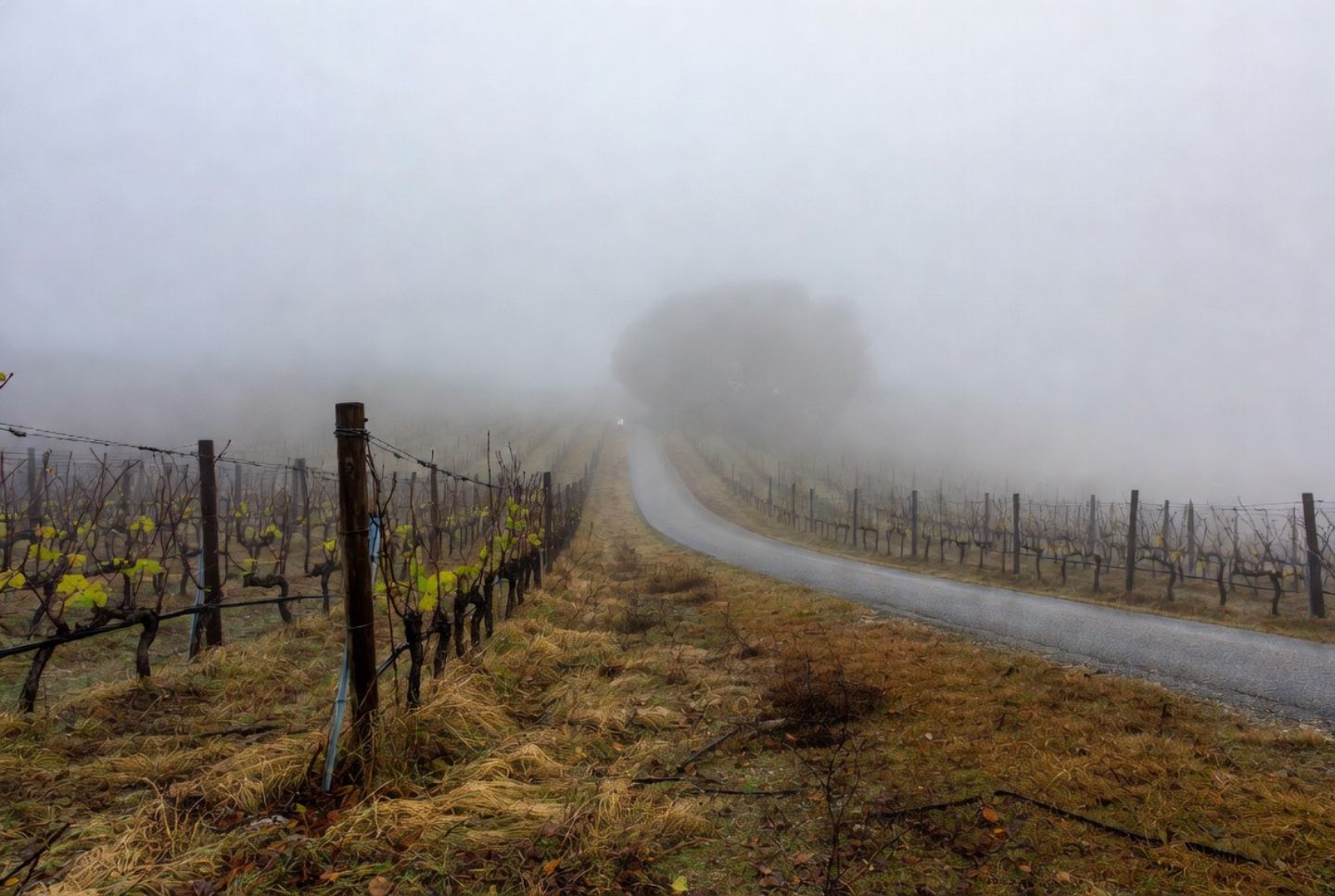
I have watched writers arrive restless and leave grounded. One visit stays with me. The plan was intentionally light, one seated tasting just north of the Yountville Cross Road and nothing else scheduled. Each morning they wrote until the fog burned off, then walked the same vineyard road every afternoon. On the last day, they said the project had not changed, but their relationship to it had. That is the shift Napa delivers when you let it.
A Writing-Focused Day in Napa
Morning: Write early, before checking digital inputs. Let the fog clear while you work.
Late morning: Coffee in town. A short walk, but no new data yet.
Midday: One seated winery experience or a long lunch built for lingering.
Afternoon: Walk without a destination along vineyard roads or the edges of Silverado Trail.
Evening: Simple dinner close to your lodging. Light rereading, not drafting.
Where to Stay
- St. Helena: Central, walkable, and quietly residential. Ideal for consistent routines.
- Calistoga: Fifteen minutes north. Slower, more secluded, well suited for long mornings and early nights.
- Yountville: Best if walkability helps keep your head clear and logistics minimal.



Food and Wine Focus
Choose comfort over complexity. One thoughtful library tasting per day is plenty. Wine here should soften the edges of the day, not invite analysis. Long lunches at places like Farmstead or The Charter Oak often unlock better writing afternoons than extra hours at the desk.
Gentle Local Integration
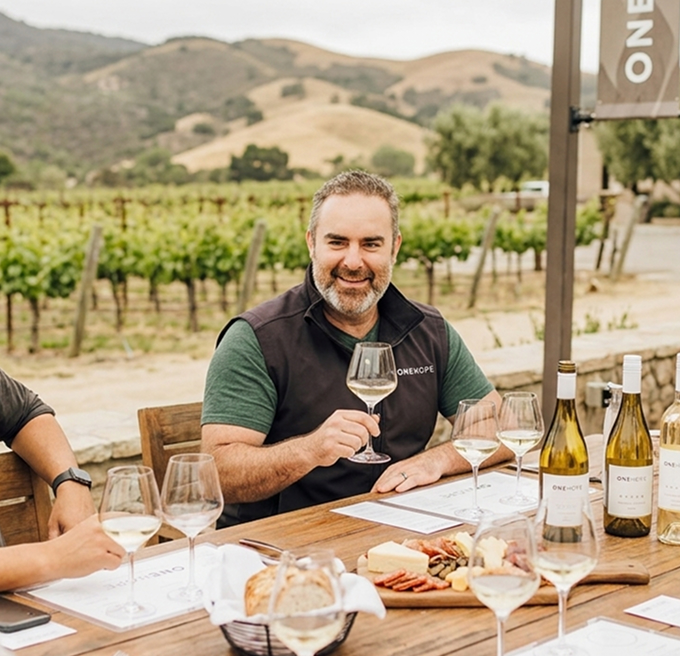
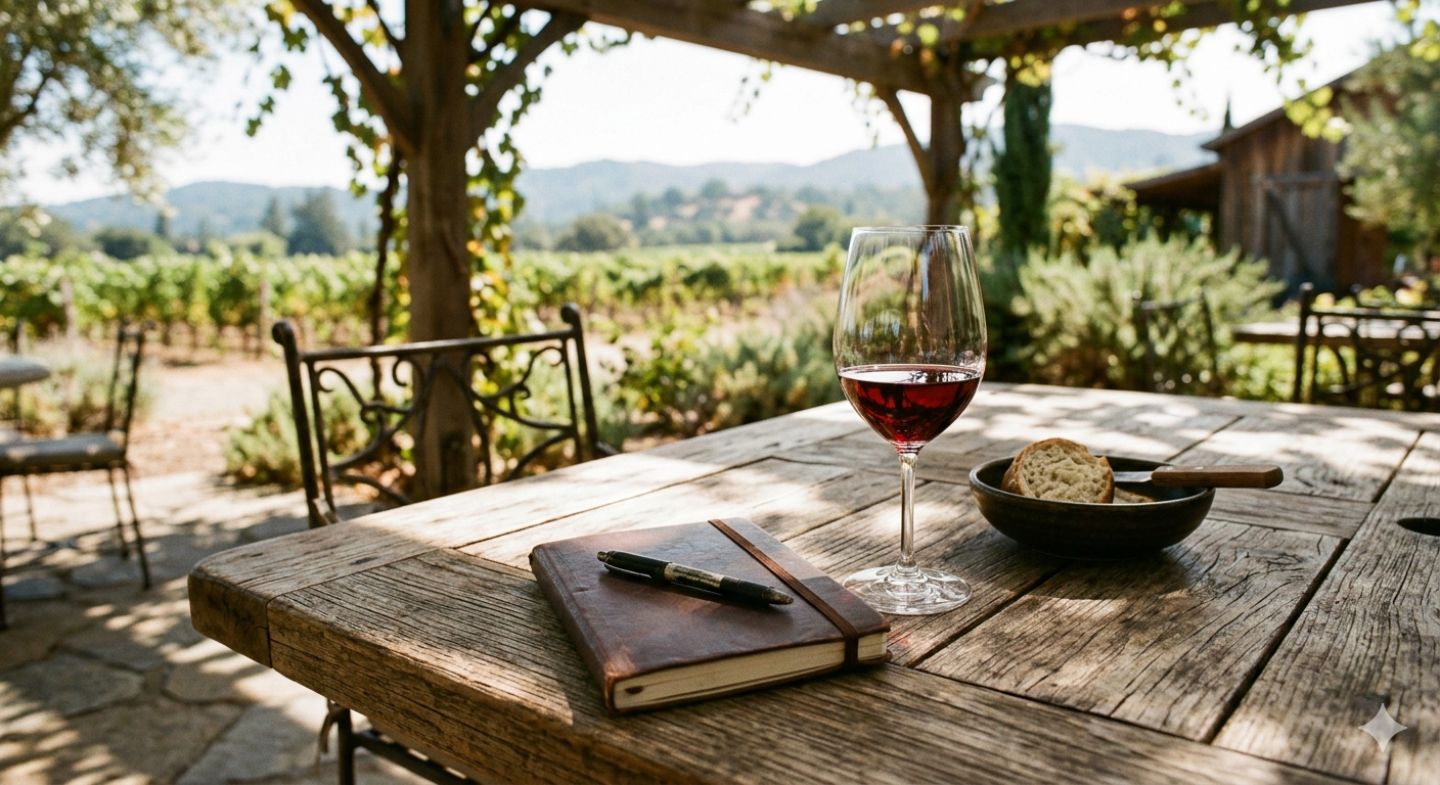
I will acknowledge my bias. Building Estate 8 and ONEHOPE came from years of writing, revising, and waiting for ideas to mature instead of forcing them. They are very much my baby. Some of the most meaningful creative moments I have witnessed happened quietly at our shared tables, when the valley did the holding and the work moved forward without anyone trying to finish anything.