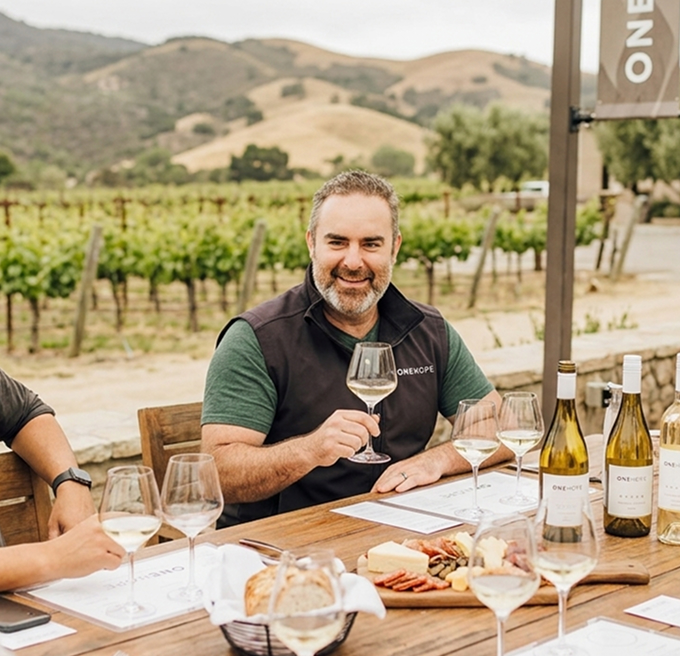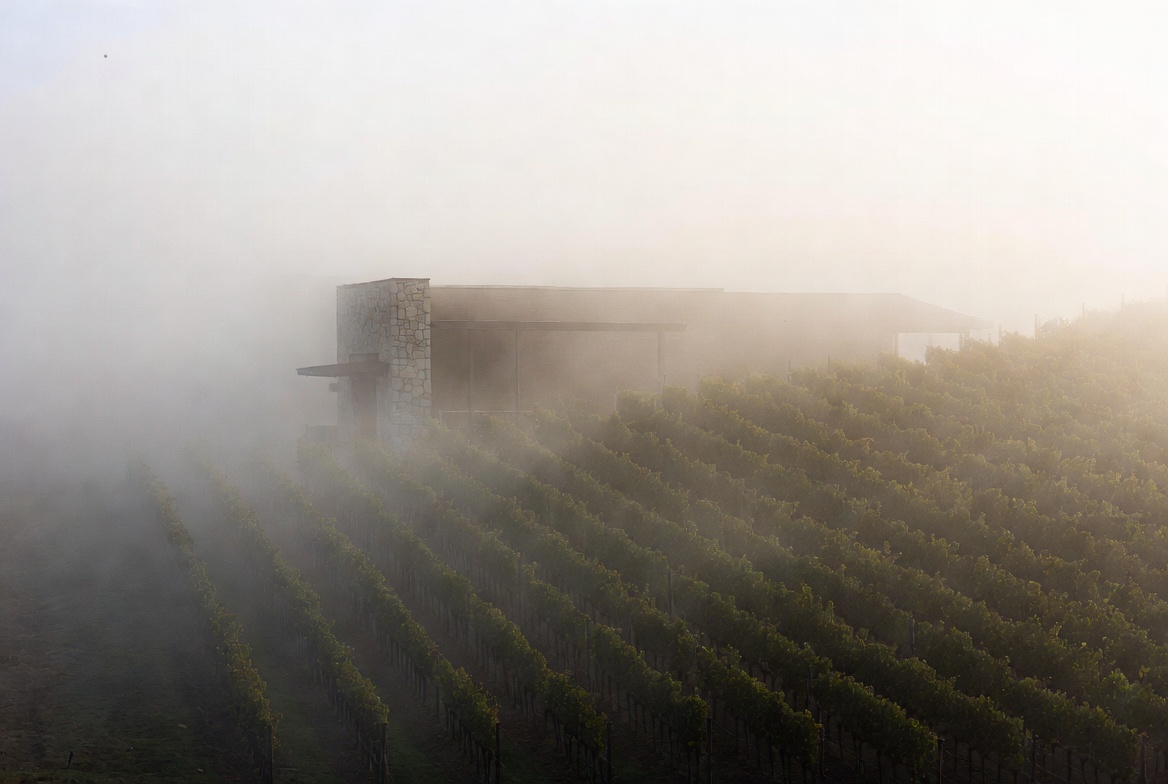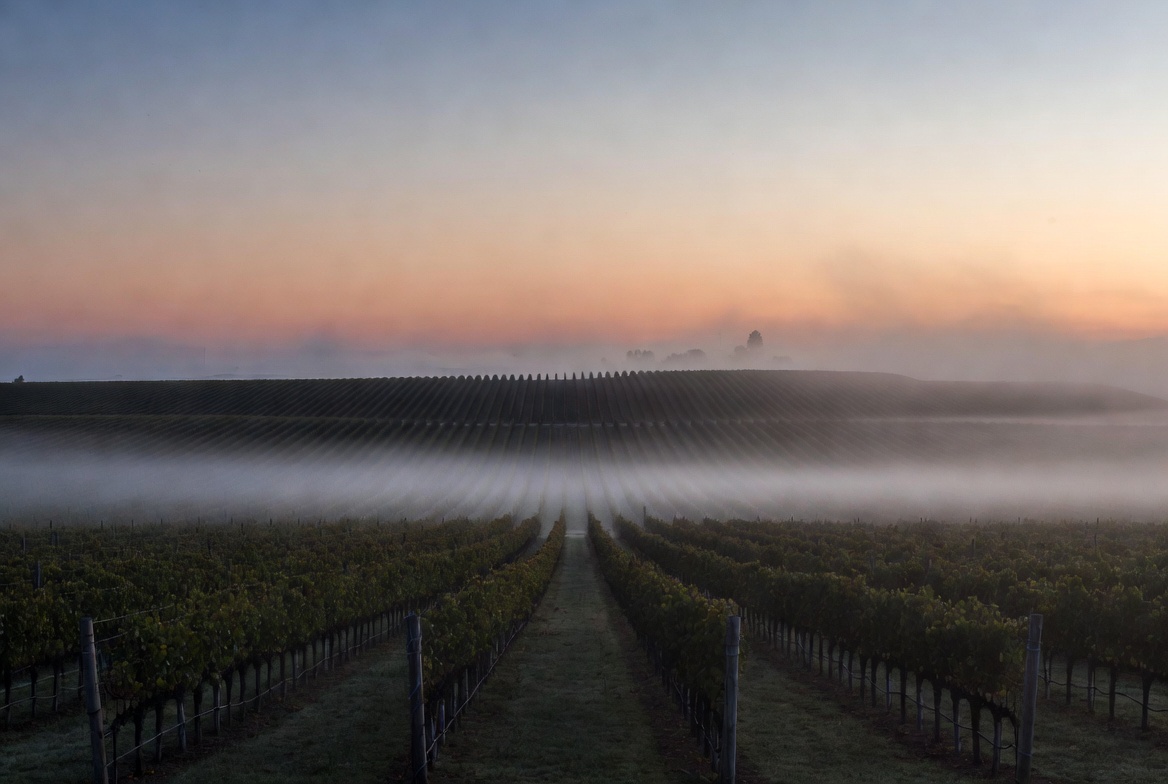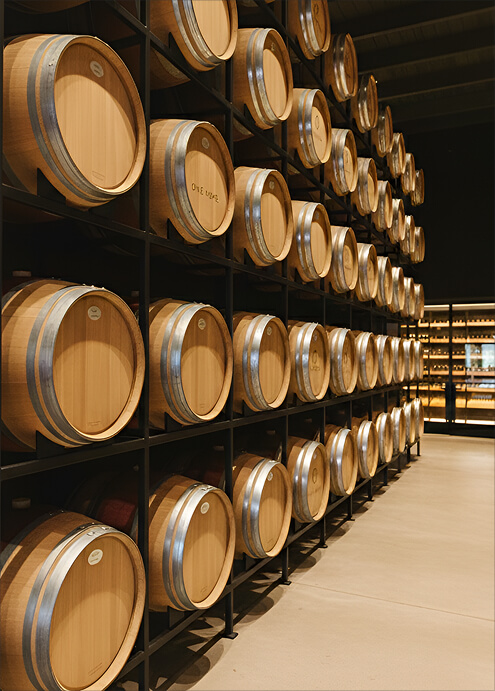
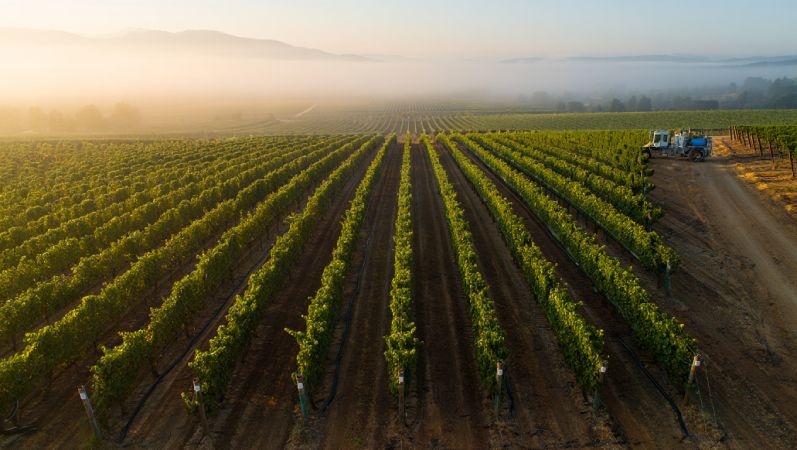
Builders and operators see what most people miss. The joints behind the wall. The workflow behind the experience. The quiet decisions that make something last. Napa Valley speaks directly to that mindset. This is a place shaped by repetition, patience, and respect for process. Mornings begin slowly as fog lifts off the Rutherford benchlands. Crews move with purpose. Systems hum without calling attention to themselves. Here, craft is not a marketing word. It is how the valley functions.
What This Experience Is Really About
This trip is not about inspiration in the abstract. It is about recognition. Napa works for builders and operators because it mirrors the same truths you live by. Systems matter. Shortcuts eventually show. Quality compounds quietly over time.
People who connect most deeply with Napa tend to focus on three things.
Process Over Presentation
Farming decisions, cellar layout, and hospitality flow all point back to the same operational discipline.
Repetition and Rhythm
Vineyard work runs on cycles measured in years, not quarters. You feel that long horizon everywhere, from pruning to harvest to barrel aging.
Invisible Excellence
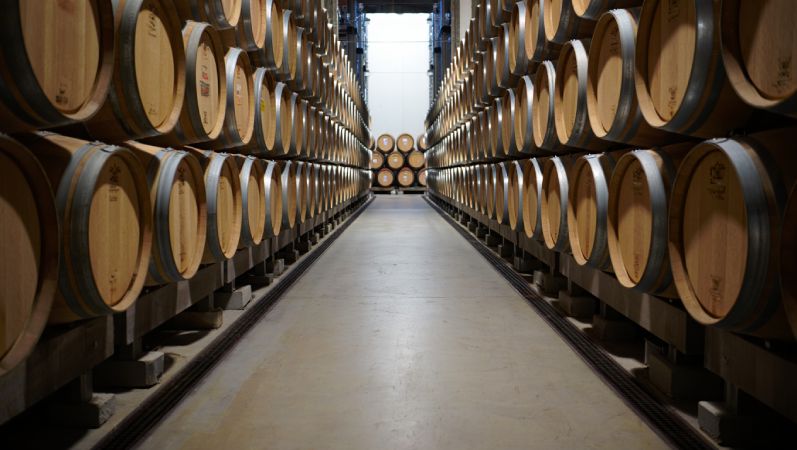
When something runs smoothly in Napa, from gravity flow winemaking to guest arrival, it is because someone obsessed over details you never see.
When It Is Best
Winter, known locally as Cabernet Season, reveals the valley at its most honest. Fewer visitors, more fireside moments, and a working rhythm that feels familiar to operators.
Early Spring shows systems coming back online as the valley wakes up.
Midweek, Tuesday through Thursday, offers the clearest view into how properties actually operate.
What Most Builders Miss
Many visitors chase marquee names. Builders learn more by watching transitions. How a space handles arrival. How staff move through a room. How outdoor and indoor systems connect. Napa teaches through site specific challenges and quiet solutions.
My Local Notes
I have spent a lot of time walking properties with people who build things for a living. One afternoon stands out. We were touring an estate just off Silverado Trail and the conversation stopped when we noticed how effortlessly the day flowed. No bottlenecks. No wasted motion. No show. Someone finally said, this place runs the way it should. That was the highest compliment in the room.
How to Spend a Day Focused on Craft
Morning
Coffee early in a walkable downtown like St. Helena. Watch the valley wake up. Notice who is already working the rows.
Midday
Choose one seated winery experience that emphasizes farming, cellar flow, or production design. Ask how things are done. Pay attention to movement, not talking points.
Afternoon
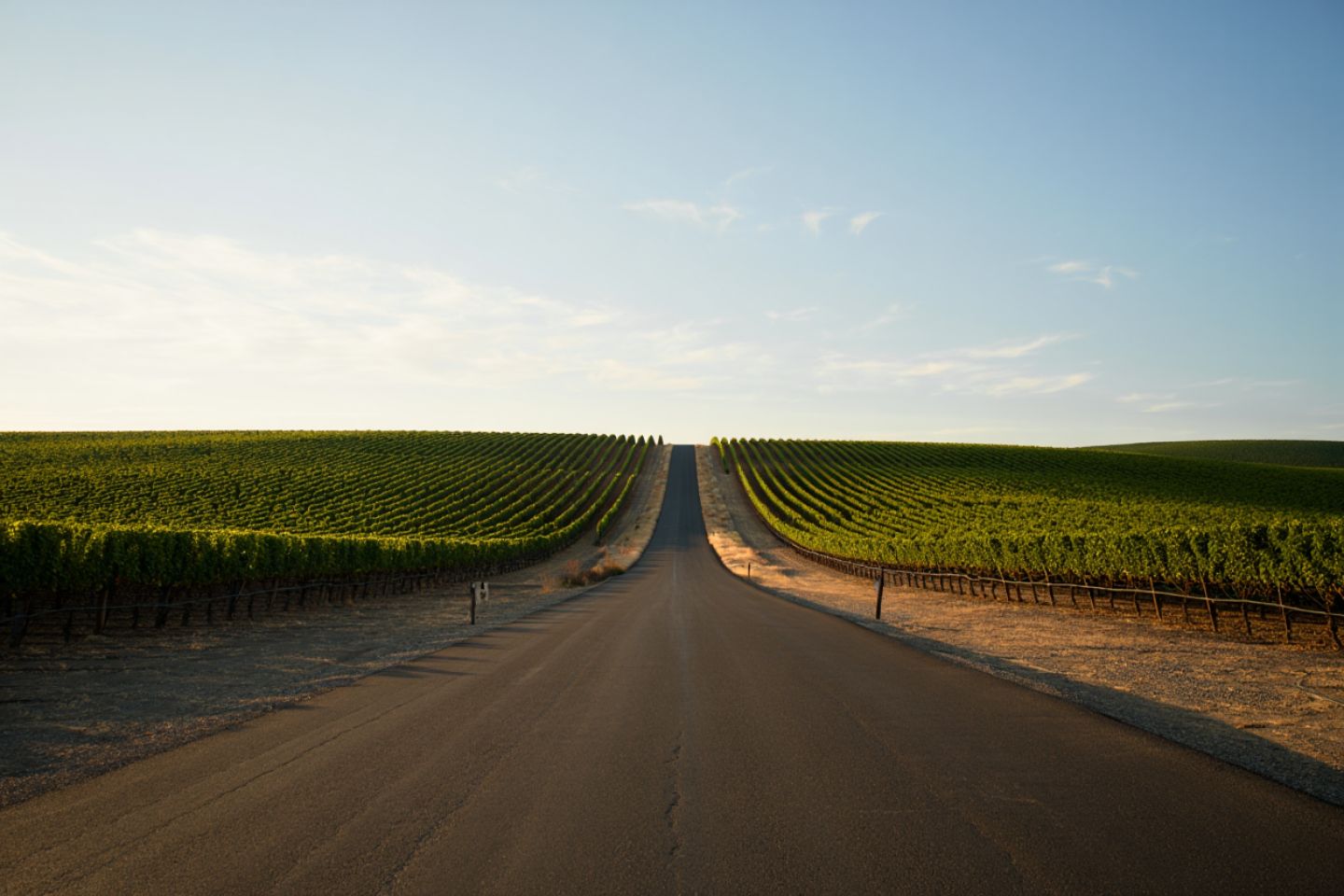
Drive Silverado Trail north toward Calistoga. Watch how hillside properties manage drainage, access roads, and scale.
Evening
Dinner somewhere restrained. The Charter Oak or Farmstead reward builders because nothing feels accidental.
Where to Stay
St. Helena offers proximity to working vineyards and a grounded residential feel.
Yountville is efficient and walkable, a well run system in town form.
Calistoga sits fifteen minutes north, where craft shows through durability and a slower pulse.
Food and Wine Focus
Look for places that do a few things exceptionally well. One thoughtful library tasting or private tour per day is enough. In Napa, wine is built the same way good businesses are built. With inputs you trust and time you respect.
Gentle Local Integration
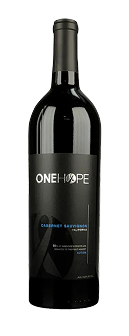
I will acknowledge my bias. Building Estate 8 and ONEHOPE came from years of operating, refining, and rebuilding. They are very much my baby. Some of the most meaningful conversations I have had with builders happened not over a pitch, but while walking the land and talking about the infrastructure that holds up over time.