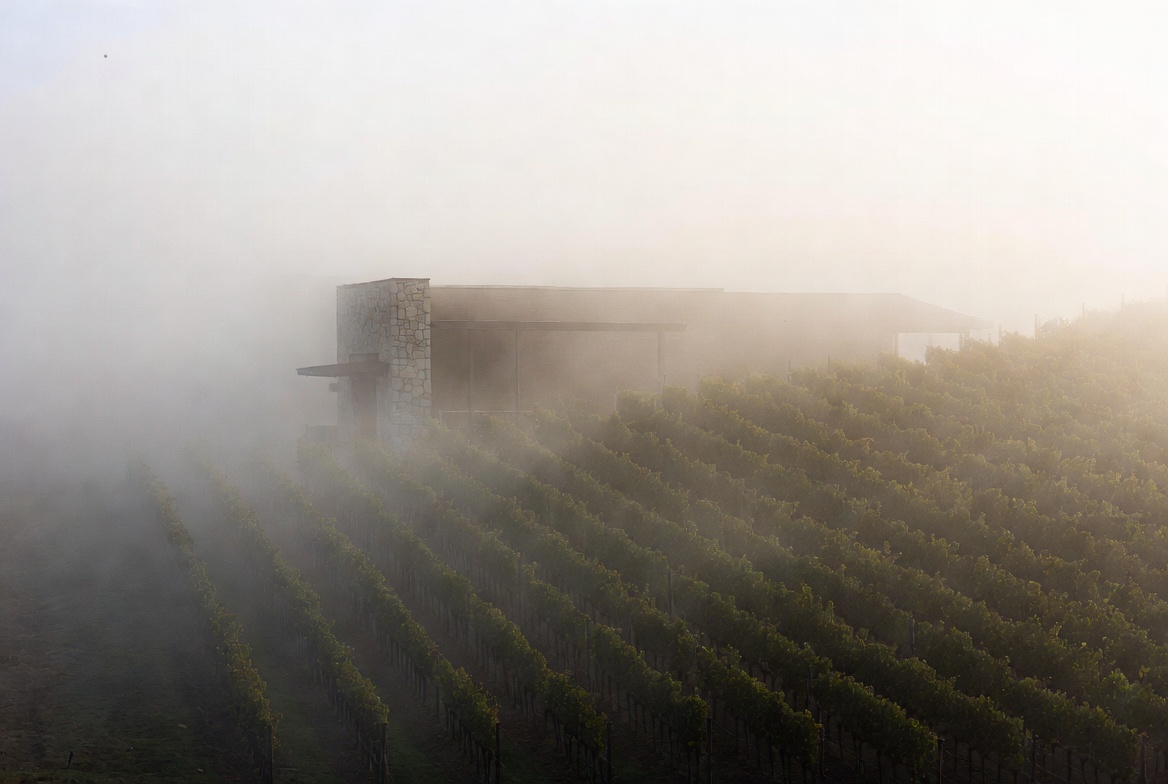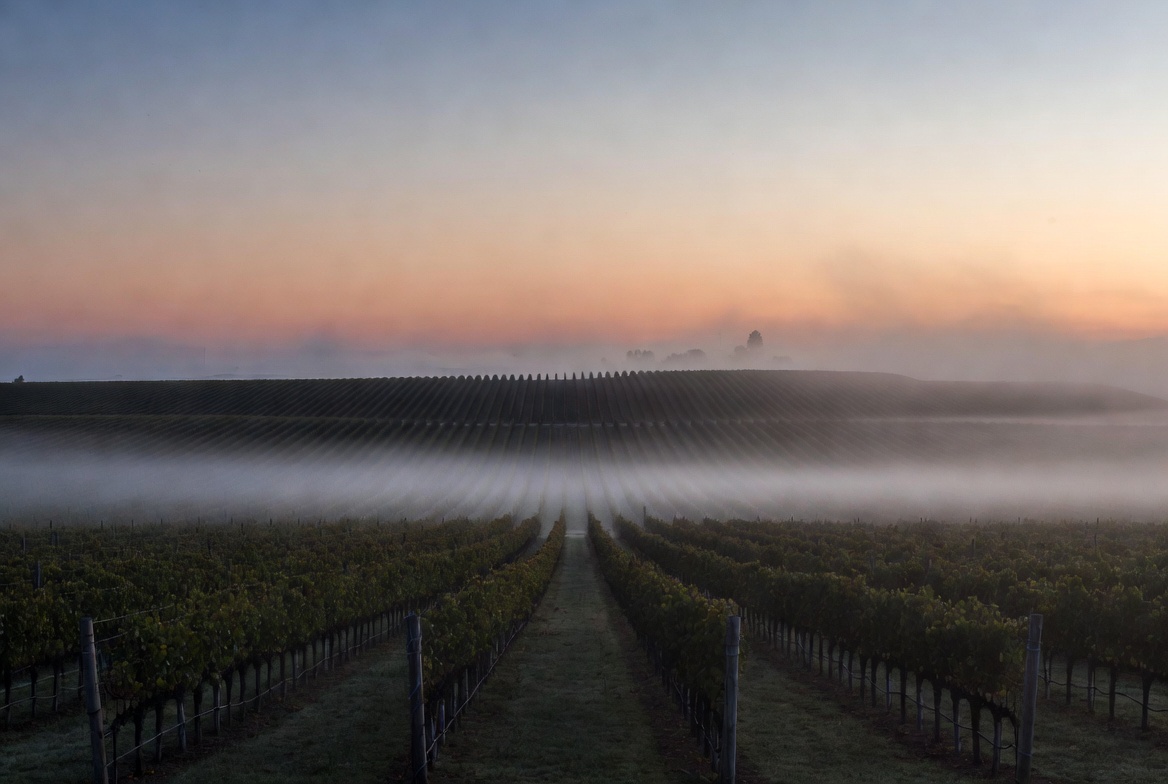
Creative work needs texture. It needs quiet edges, honest materials, and enough time to notice how things are actually made. Napa Valley has always offered that kind of grounding. This is a place where story rises from the land, design grows out of function, and taste is shaped by season and restraint. Mornings begin as fog lifts off the Rutherford benchlands. Light changes slowly. Meals are meant to linger. For creatives who work in story, design, and taste, Napa is less a destination and more a tuning fork.
What This Experience Is Really About
Creative work depends on noticing. Napa works because it slows the signal enough for you to hear it. Process is visible here. Farming decisions show up directly in the glass. Architectural restraint shapes how a room feels. A menu reflects the week, not a trend.
Creatives who thrive in Napa usually share a few instincts.
Process Over Performance
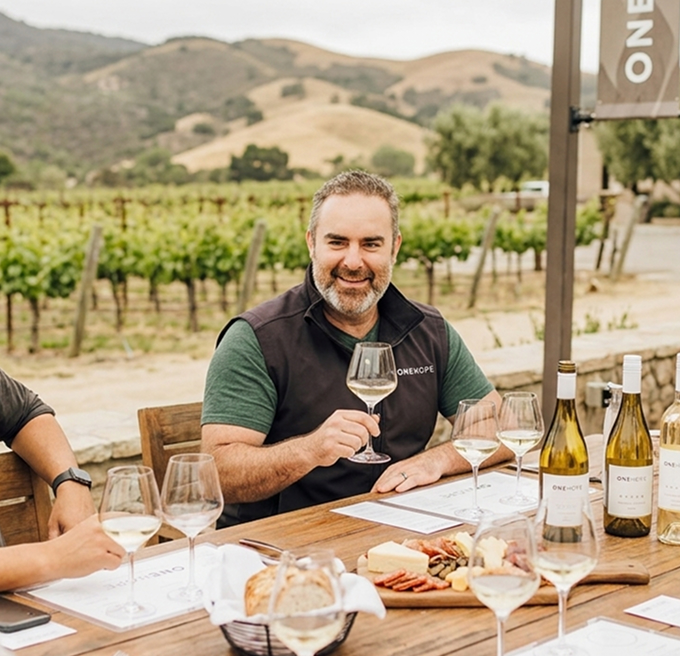
Seated tastings, open kitchens, and working vineyards reveal how things are made rather than how they are marketed.
Material Honesty
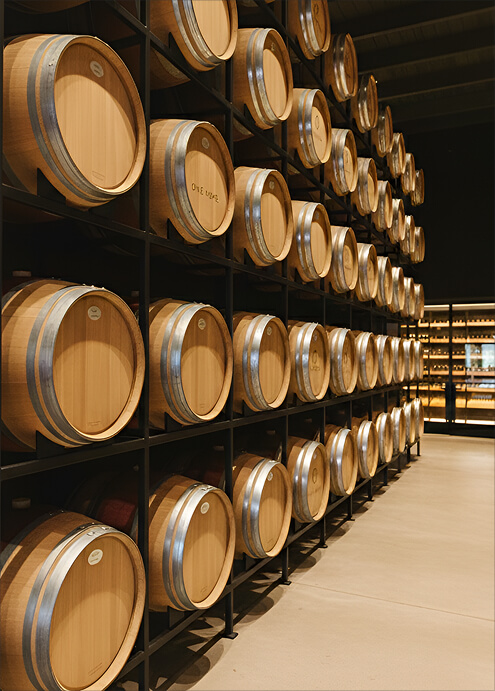
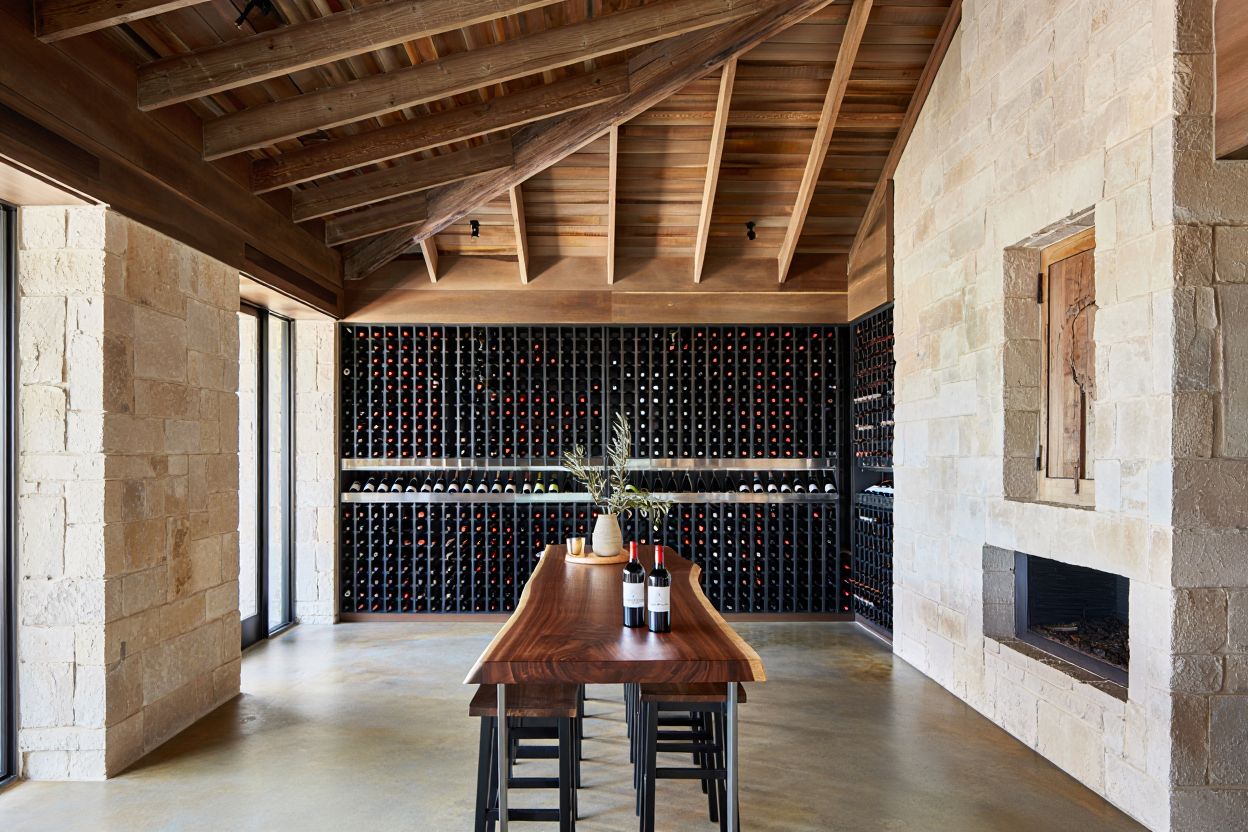
Stone, wood, steel, and land used with intention. Look for places where design supports function instead of competing with it.
Time to Observe
Long meals and unstructured mornings create space for ideas to surface without being chased.
When It Is Best
Spring brings fresh texture and early light that sharpens observation.
Summer offers long days and late afternoons when the Cabernet light softens the valley floor.
Fall, during harvest, carries a working rhythm creatives often recognize, intense, physical, and focused on culmination.
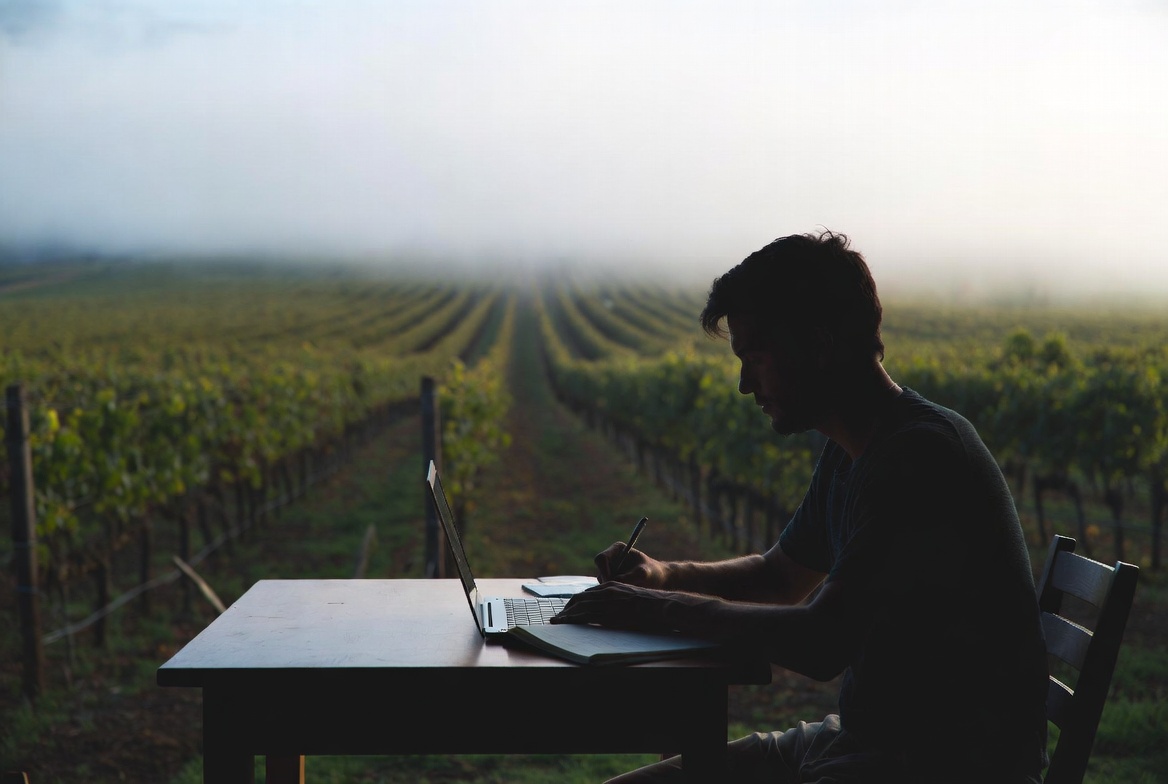
Winter, often called Cabernet Season locally, is quiet and intimate, ideal for deep focus, writing, sketching, or thinking.
Midweek visits from Tuesday through Thursday feel the most natural. Fewer people. More access. Better conversations.
What Most Creatives Miss
Many arrive looking for inspiration and overlook the discipline of restraint. Napa’s power is not spectacle. It is consistency. Walking the same vineyard block twice in different light. Sitting at the same table long enough to notice how sound changes as a room fills. Inspiration here comes from staying, not chasing.
My Local Notes
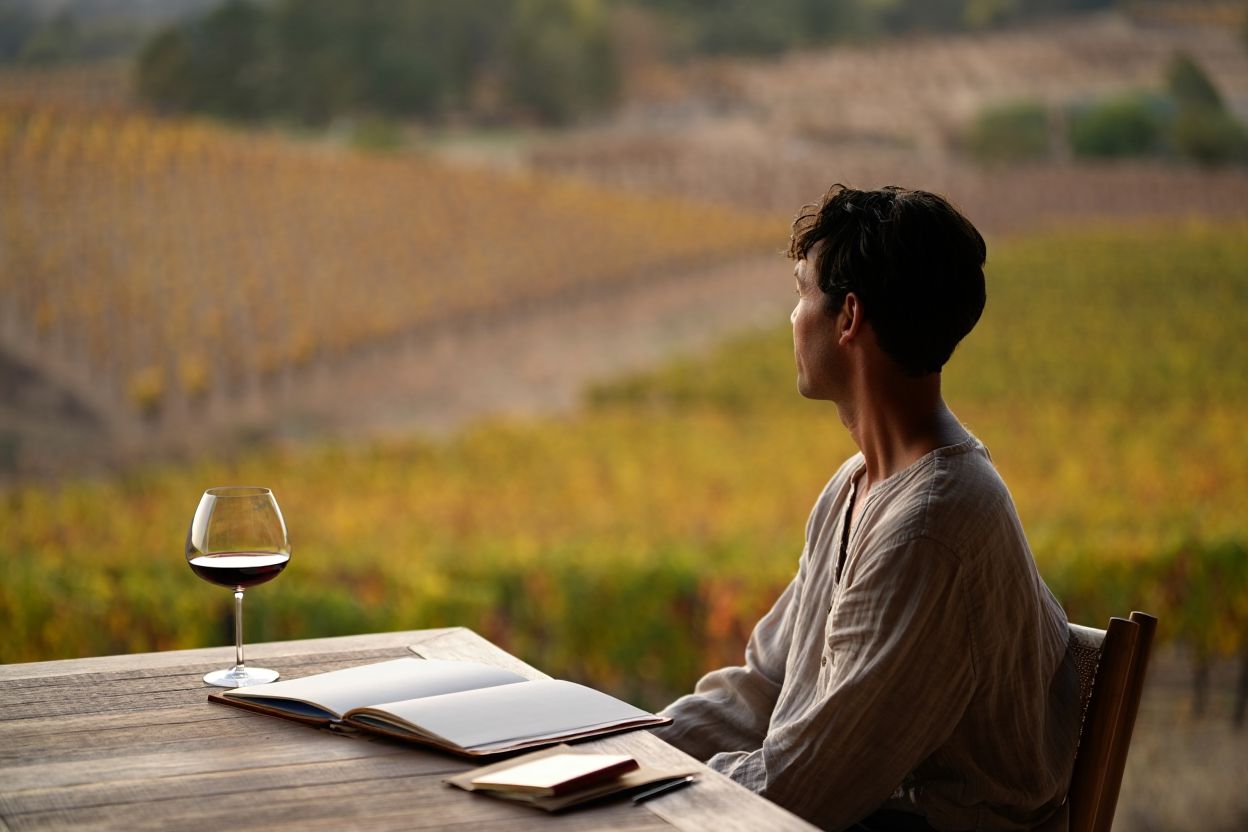
I have watched designers, writers, and chefs arrive restless and leave grounded. One afternoon stands out clearly. A creative director planned nothing more than a seated tasting and lunch. By late afternoon, they were sketching quietly, pulled more by the texture of the place than any agenda. When you let the valley set the pace, ideas tend to find you.
How to Spend a Day Creatively
Morning
Coffee in a walkable downtown like St. Helena or Yountville. Sit. Watch the light move across the Mayacamas. Do not rush the day open.
Midday
Choose one seated winery experience focused on farming and place, ideally single-vineyard or estate-driven.
Afternoon
Drive without a destination. Silverado Trail offers more mental space than Highway 29 and rewards slow observation.
Evening
Dinner built around seasonality and restraint. One table. One conversation. No need to optimize.
Where to Stay
St. Helena feels grounded, classic, and materially honest.
Yountville offers refined simplicity and walkability.
Calistoga moves slower and suits deeper creative reset.
Food and Wine Focus
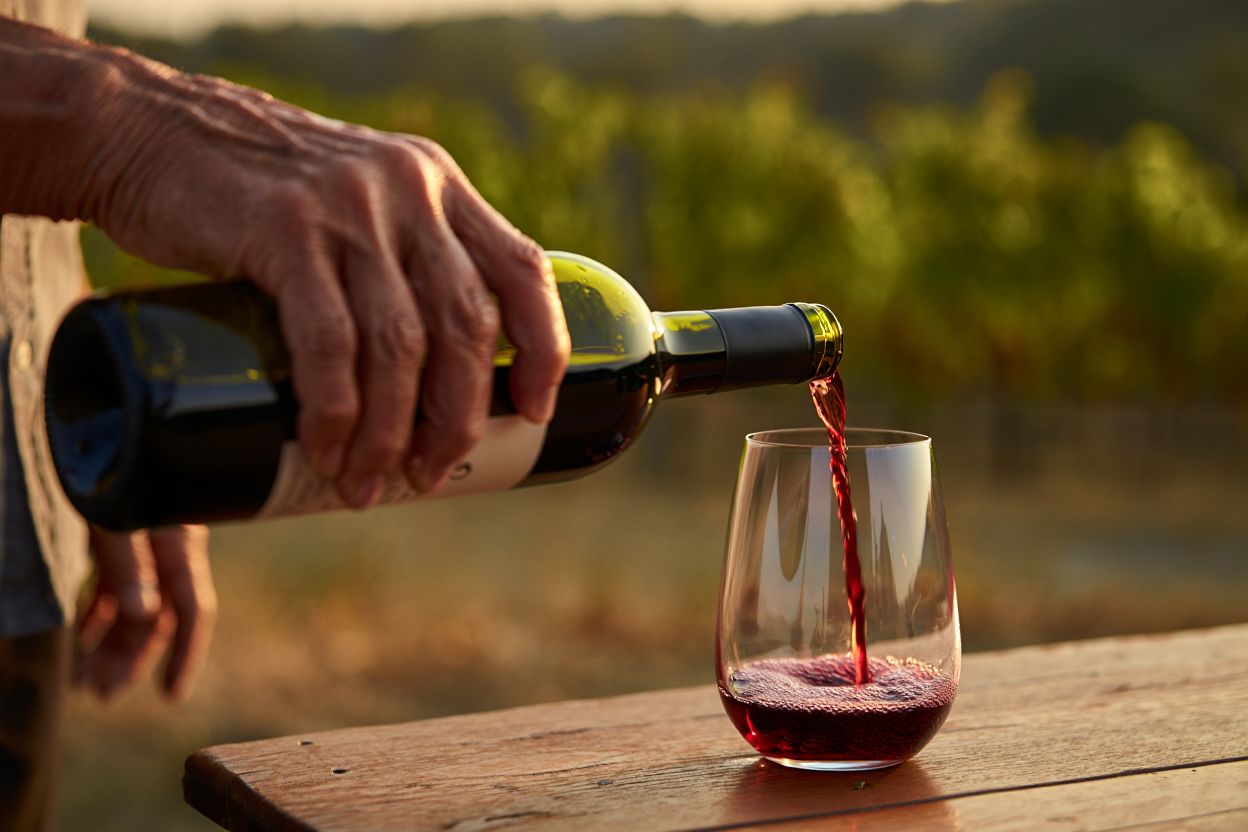
Choose fewer experiences, done well. One tasting per day is enough to keep the senses sharp. Napa food and wine show best when they are not trying to impress. Look for places where taste is clear, seasonal, and intentional.
Gentle Local Integration
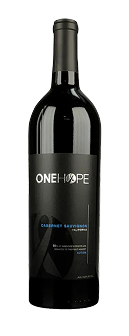
I will acknowledge my bias. Building Estate 8 and ONEHOPE came from a belief that taste is shaped by intention, not volume. They are very much my baby. Some of the most creative conversations I have witnessed here happened quietly at shared tables, where the land and the light did most of the talking.