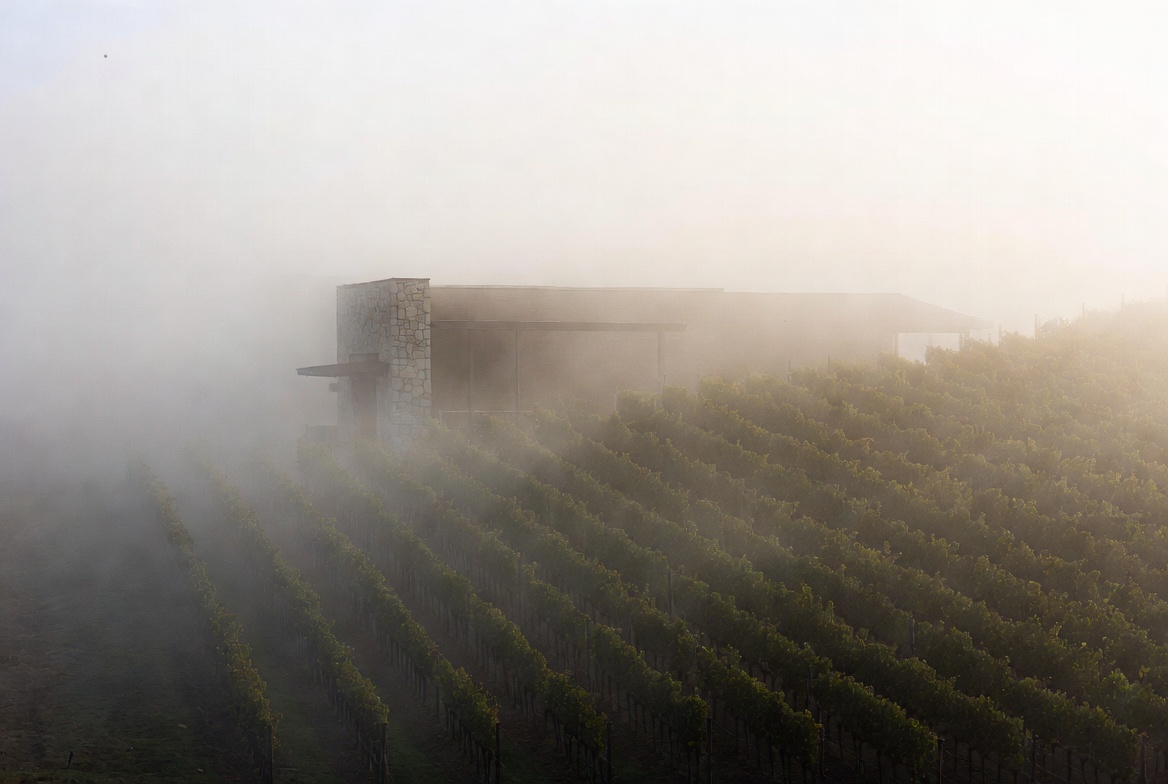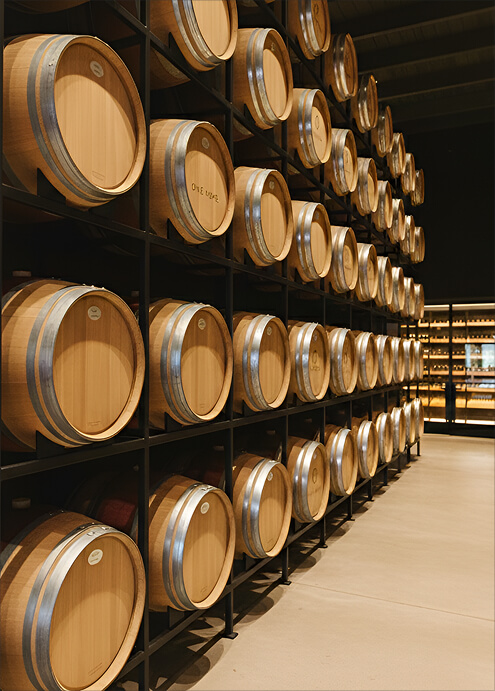
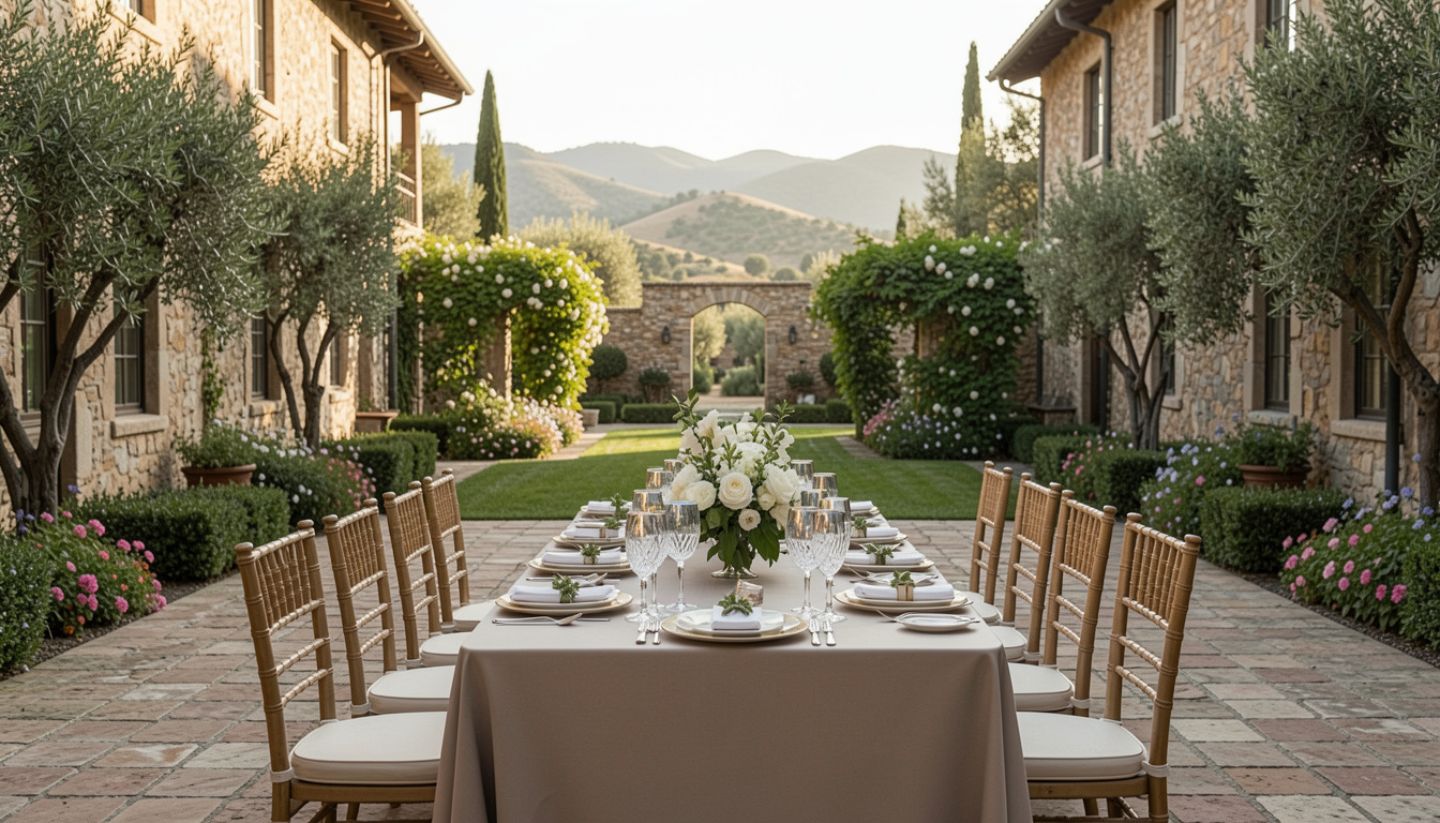
Event planners live in the margins. Timing, transitions, flow, and the invisible details guests only notice when something breaks. Napa Valley understands this kind of precision instinctively. Long before it was a destination, it was a working valley built on appointments, pacing, and respect for sequence. Mornings open quietly as fog lifts off the Rutherford benchlands. Load-ins happen early. Spaces are ready before anyone arrives. When Napa works well, it feels effortless, and that effortlessness is exactly what planners are looking for.
What This Experience Is Really About
A seamless event is not about extravagance. It is about removing friction before it appears. Napa works for planners because it values control of space, timing, and guest movement. The strongest events here share a few non-negotiables.
Single-Location Design
Venues that host arrival, experience, and dining in one place eliminate transport risk and schedule drift.
Hospitality-Trained Teams
Napa teams are fluent in pacing rooms, reading energy, and adjusting quietly in real time without announcements.
Natural Backdrops Doing the Work
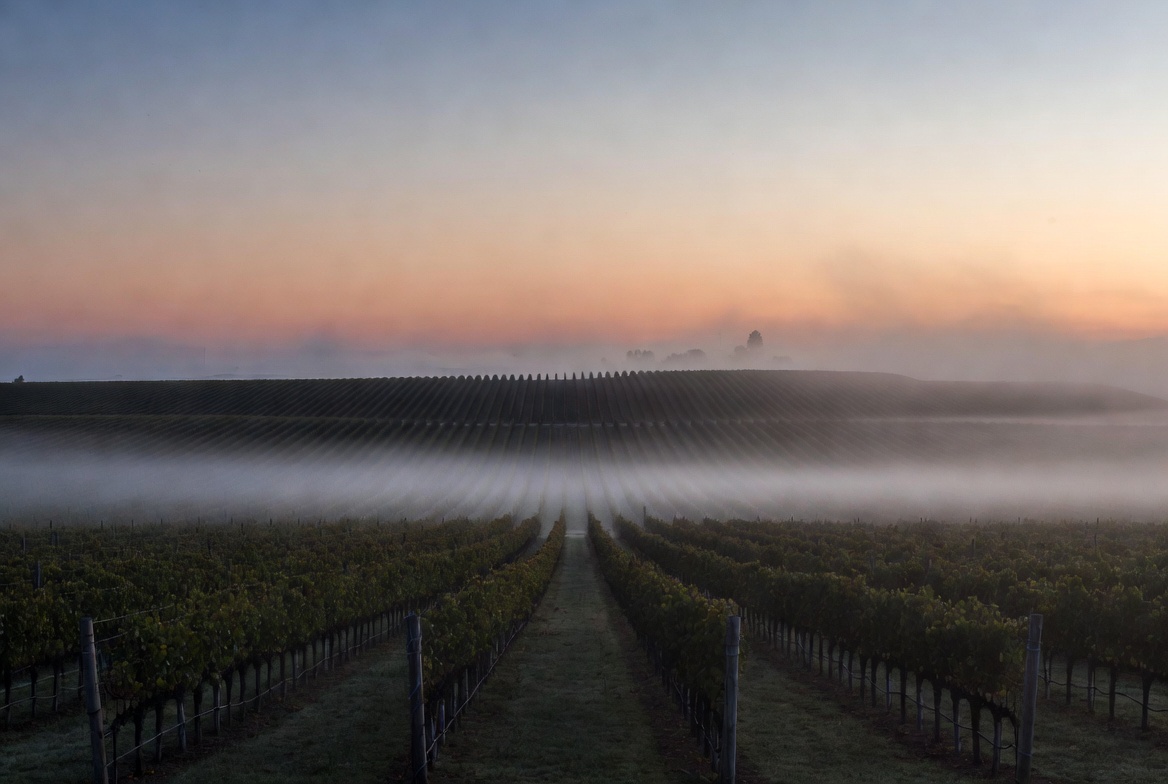
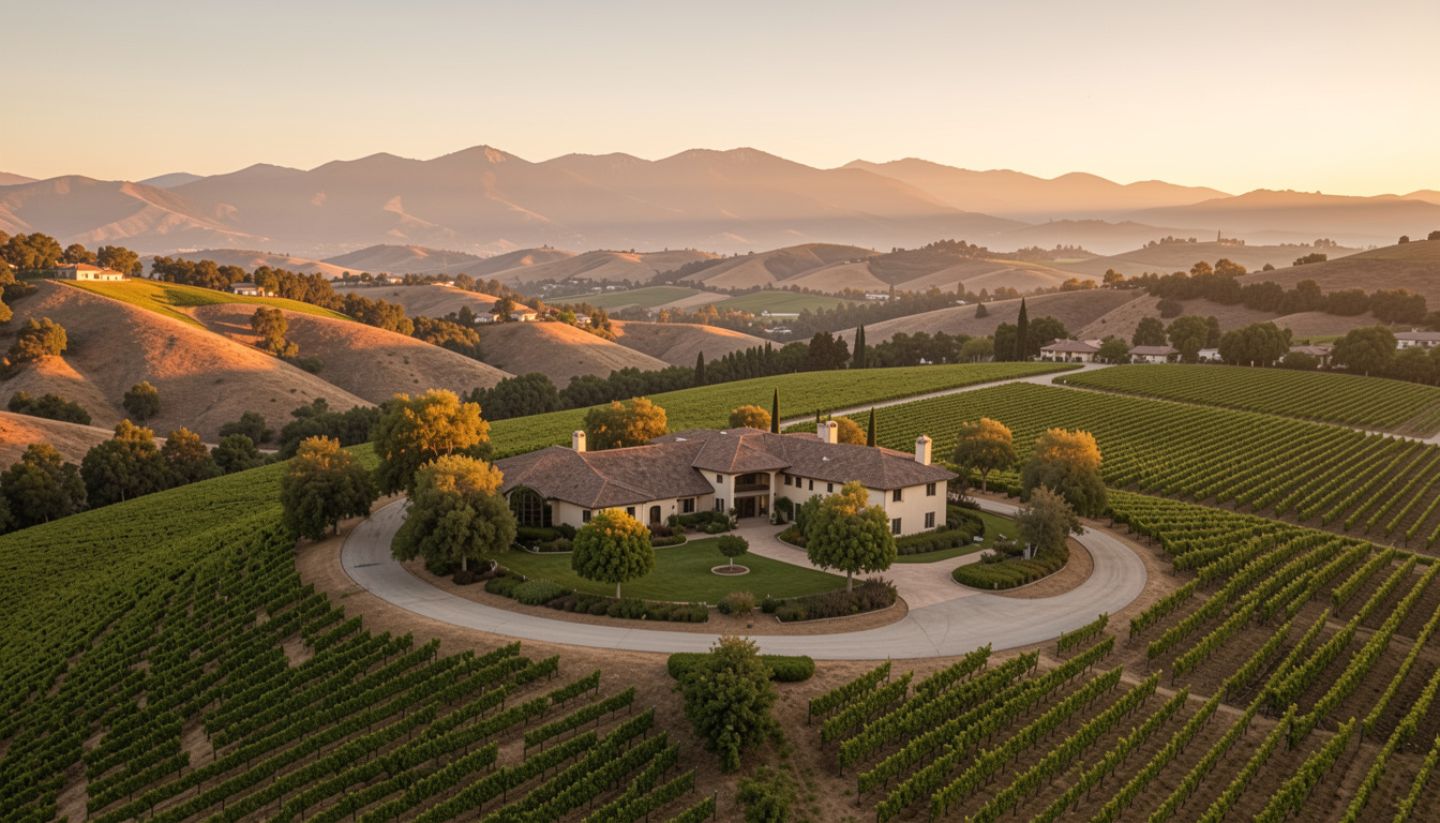
The Mayacamas hills, vineyard rows, and late afternoon Cabernet light reduce the need for heavy production or visual clutter.
When It Is Best
Spring brings fresh energy and reliable outdoor conditions.
Fall, especially post-harvest, delivers warmth, golden light, and a sense of completion that photographs beautifully.
Winter, often called Cabernet Season, is the most controllable. Fewer crowds, more availability, and tighter execution windows.
The midweek window from Tuesday through Thursday consistently runs the smoothest.
What Most Planners Miss
Many planners over-separate functions, moving guests for effect. In Napa, that movement introduces risk. The strongest programs stay rooted. When guests remain in one place long enough to settle, conversations deepen, energy steadies, and timelines hold without force.
My Local Notes
I have watched exceptional plans succeed simply because nothing felt rushed. One event stands out clearly. The entire day unfolded on a single estate just off the Silverado Trail. Arrival, tasting, dinner, and conversation all happened without anyone checking a watch. The planner told me afterward it was the first event in years that ran ahead of schedule without trying. That only happens when the venue is doing half the work.
How to Choose a Truly Seamless Napa Venue
Start With Flow
Ask how guests move from arrival to gathering to dining without bottlenecks or crossing back-of-house paths.
Confirm Built-In Infrastructure
Restrooms, catering support, weather contingencies, acoustics, and power matter more than views.
Limit Vendors
Venues experienced with private programs reduce external coordination and last-minute surprises.
Respect the Light
Late afternoon into evening is where Napa shines. Build the schedule around sunset over the Mayacamas foothills.
Where Napa Excels for Events
The Silverado Trail corridor offers quieter access and privacy away from Highway 29 traffic.
St. Helena provides classic estates with operational depth and proximity to the valley’s Cabernet heartbeat.
Yountville works well for walkable, multi-day programs.
Calistoga is ideal for restorative retreats and contained offsites.

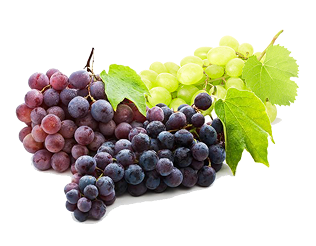
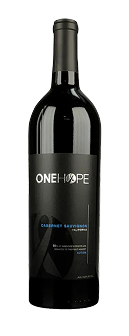
Food and Wine Considerations
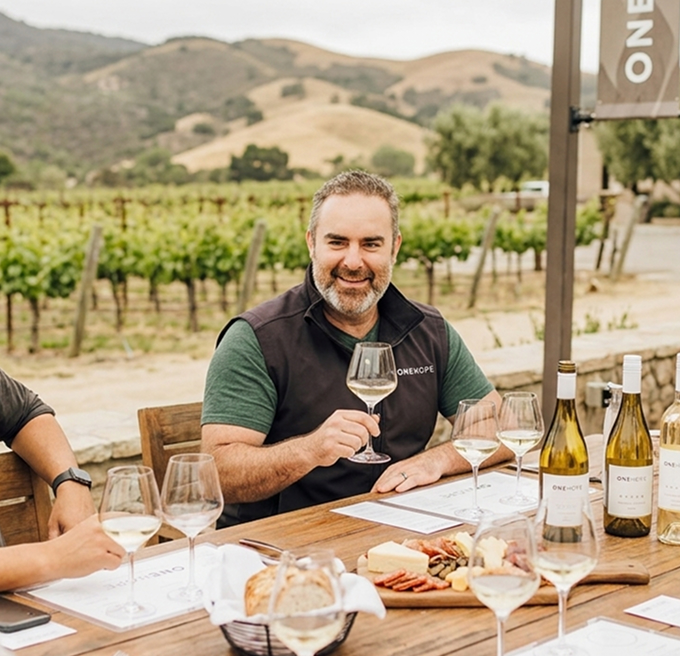
Family-style service and seated tastings support timing and conversation. Avoid formats that require constant circulation. In Napa, wine should support the moment, not compete with it. One thoughtful tasting or pairing is usually enough.
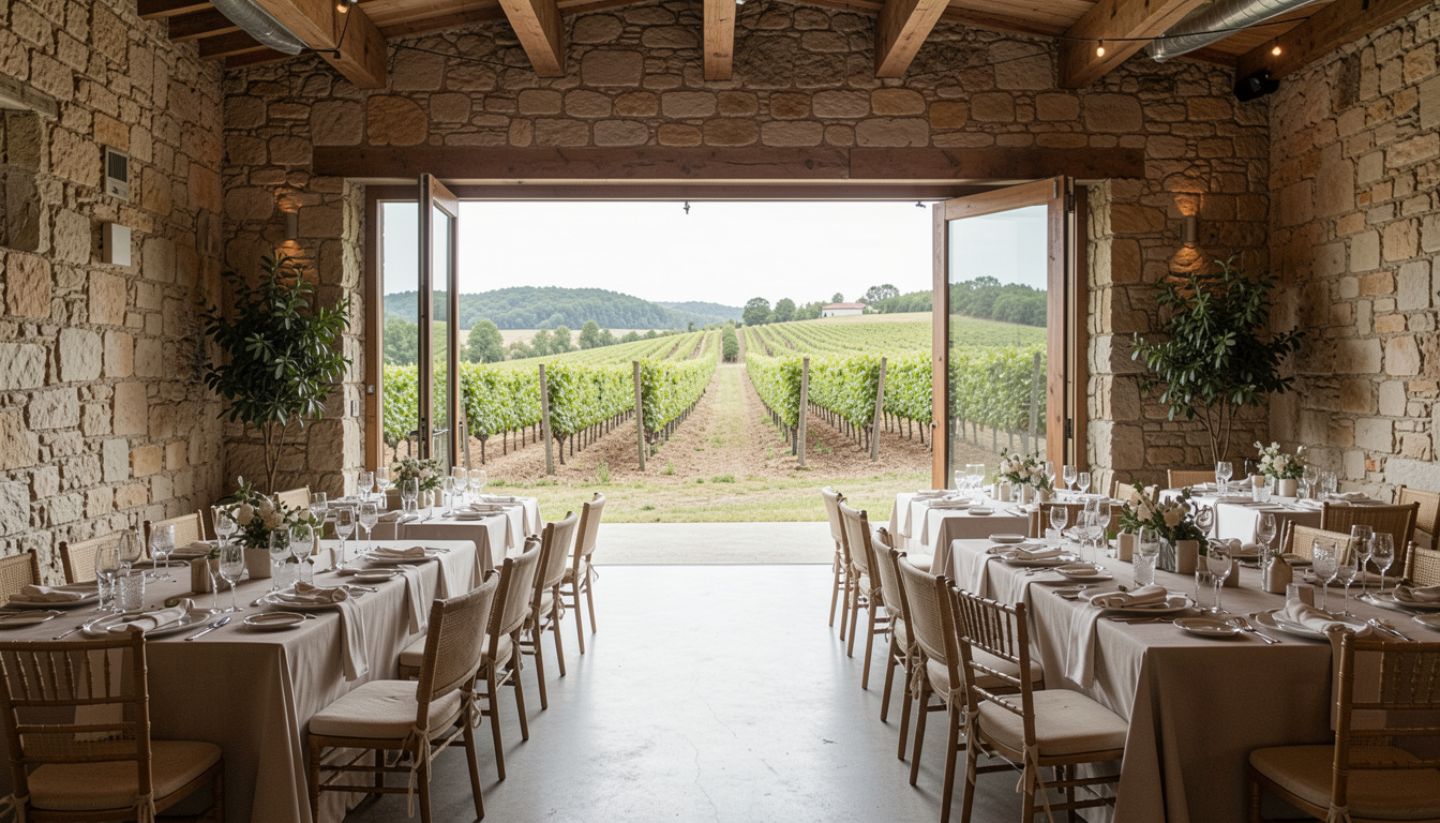
Gentle Local Integration
I will acknowledge my bias. Building Estate 8 and ONEHOPE came from years of watching planners need venues that simply work. They are very much my baby. Some of the smoothest events I have seen happened when planners trusted the built-in flow and let a single setting, sometimes just a quiet view from our private tower, carry the experience without overproduction.