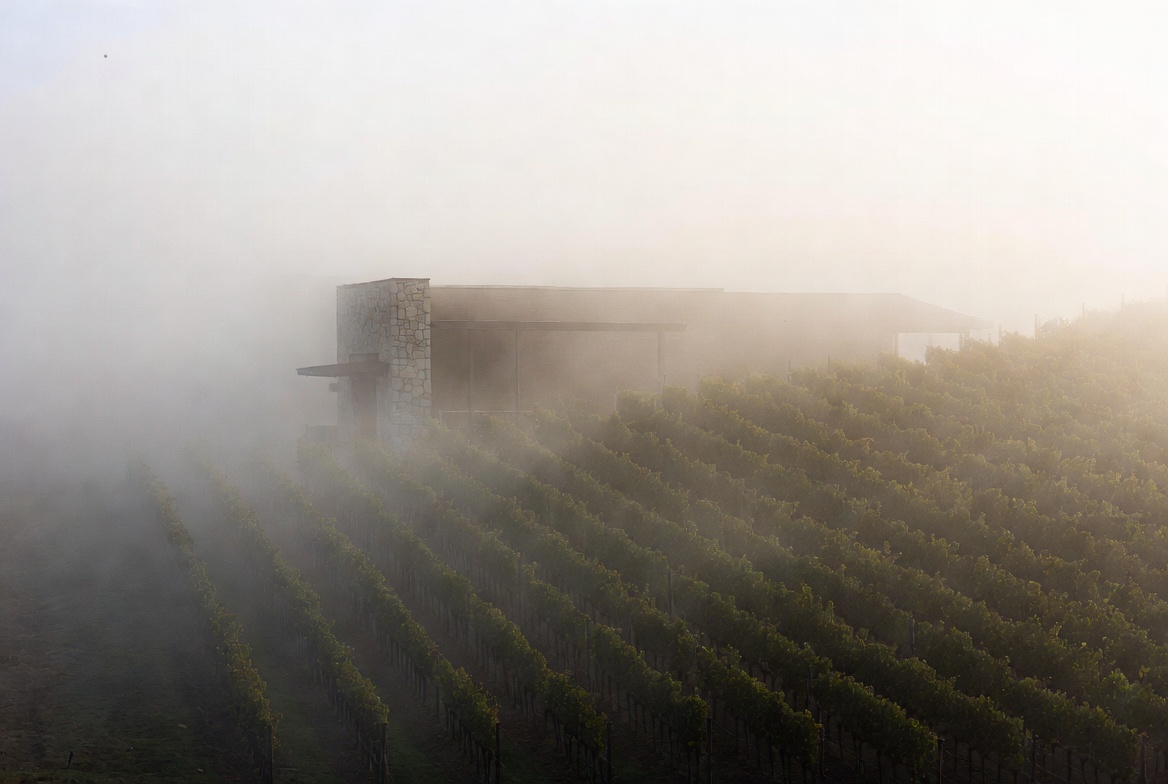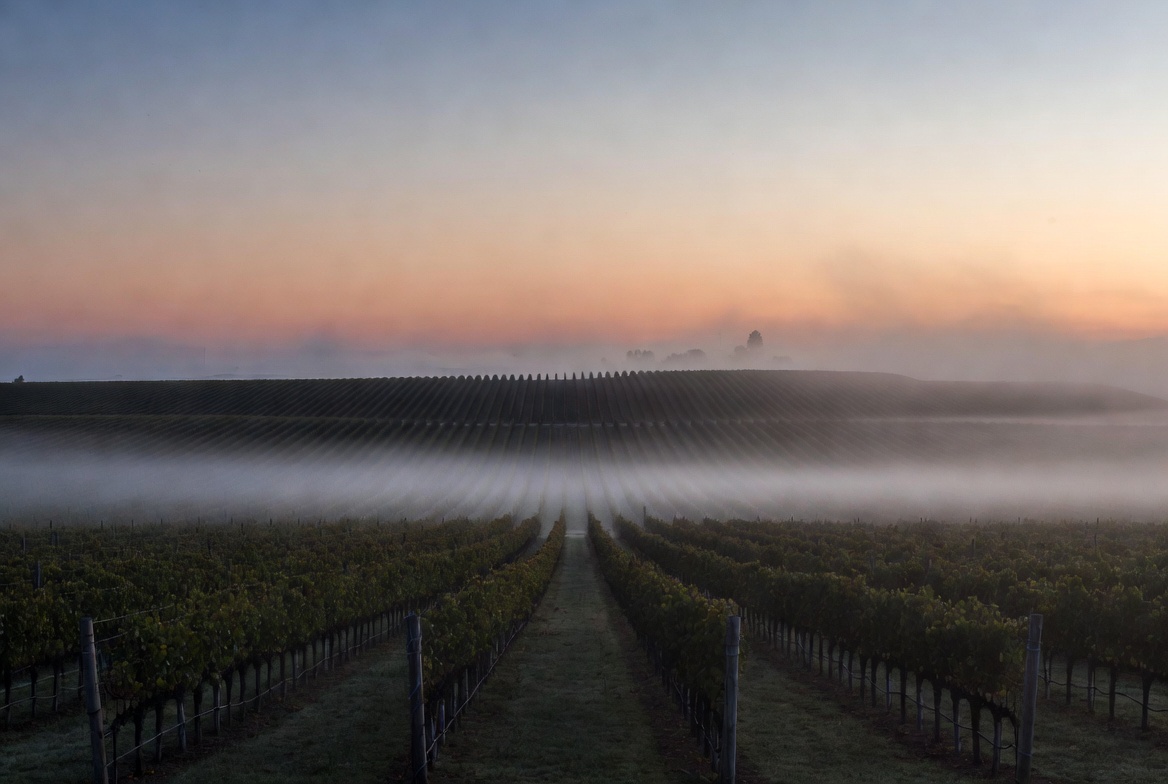

Some people spend their days holding space for everyone else. Healthcare professionals do this instinctively, often without realizing how much it costs over time. The listening. The vigilance. The emotional steadiness required shift something quietly. Napa Valley has a way of giving that care back without making it feel like a transaction. Mornings open slowly as fog lifts off the Rutherford benchlands. Appointments feel gentle instead of demanding. Meals arrive with warmth rather than urgency. Here, receiving does not feel indulgent. It feels appropriate.
What This Experience Is Really About
Receiving can feel unfamiliar when your instinct is always to give. Napa works because it removes the need to manage the environment. You sit instead of stand. You are guided instead of guiding. You are cared for without having to explain what you need.
Healthcare professionals who truly restore here tend to share a few habits.
They Release Responsibility
No planning for others. No monitoring schedules. Napa’s appointment-driven culture quietly handles the logistics.
They Choose Gentleness Over Stimulation
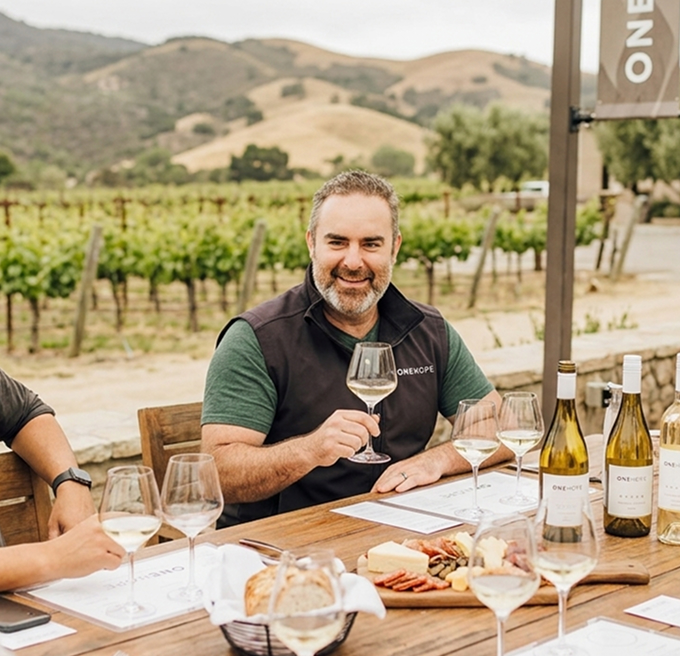
Seated tastings, spa mornings, and long meals allow the nervous system to downshift naturally.
They Let Quiet Do the Work
Fog lines, vineyard light, and unhurried space often reset more than any treatment menu ever could.
When It Is Best
Winter, often called Cabernet Season locally, offers the deepest quiet and the least demand.
Early Spring brings clarity and renewal as mustard blooms and the valley wakes gently.
Midweek, Tuesday through Thursday, is essential if rest is the priority. The valley feels more personal and less performative.
What Most Caregivers Miss
Many arrive thinking they need to fill every hour to justify the trip. In Napa, value comes from the space between plans. The long breakfast that turns into a walk. The afternoon nap that finally feels allowed. Choosing fewer wineries and going deeper into the experience is often the most restorative decision.
My Local Notes
I have watched nurses, physicians, and therapists arrive visibly depleted and leave softer around the edges. One visit stands out clearly. The plan was minimal. One quiet tasting just north of Silverado Trail. One long lunch. No dinner reservations at all. By the second day, the phone stayed in the room. They said it was the first time in years they did not feel on call for anyone. That is when the valley is doing its best work.
A Gentle Two or Three Day Reset
Day One
Arrive late morning. Settle into a walkable downtown like St. Helena. Sit outside without an agenda. One seated winery visit in the early afternoon. Dinner close to where you are staying. Early night.
Day Two
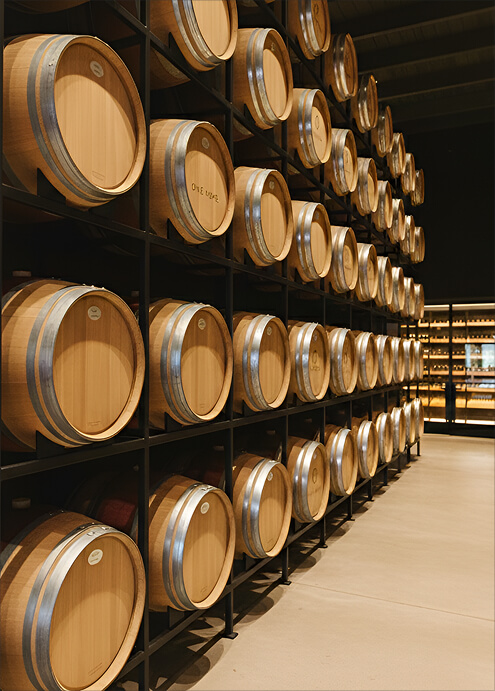
Sleep until your body decides otherwise. Coffee in silence. A slow drive north along Silverado Trail toward Calistoga. A spa morning or a private cellar experience where cool air and quiet naturally slow the breath. One long lunch built for lingering.
Day Three
Fresh air. One last quiet meal. Leave without trying to squeeze in one more stop.
Where to Stay
St. Helena offers calm residential pockets and the grounded heartbeat of Cabernet country.
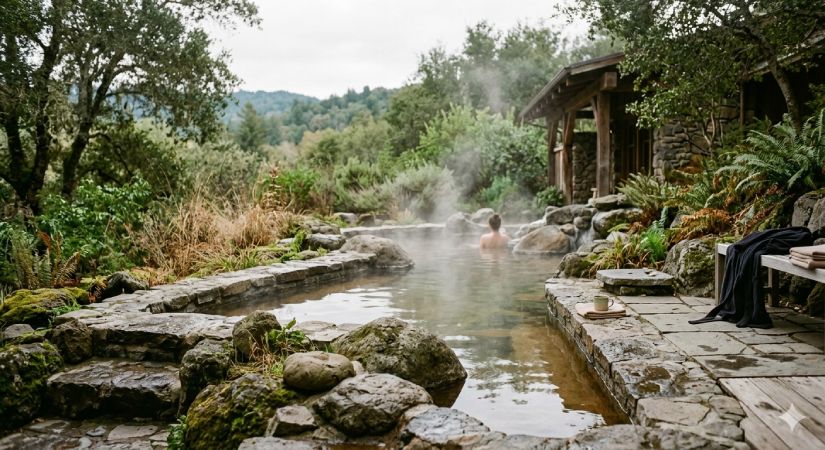
Calistoga is ideal for mineral baths, restorative mud treatments, and early nights.
Yountville works well if walkability reduces the mental load of driving and decision-making.



Food and Wine Focus
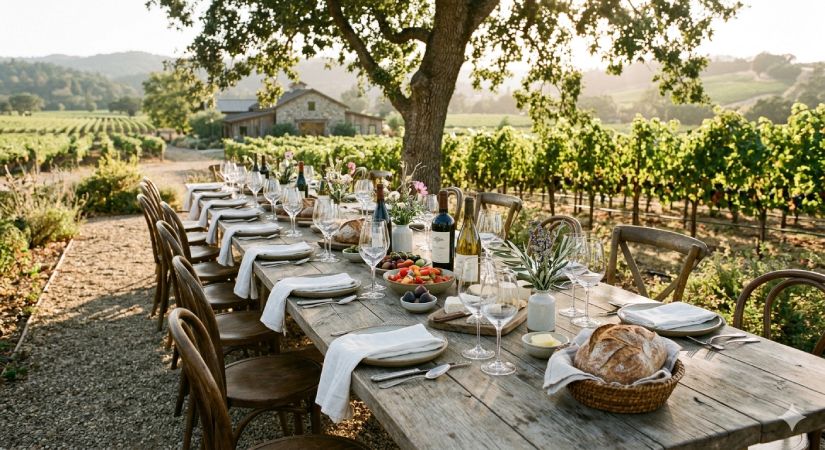
Choose meals that feel comforting rather than performative. Family-style service, seasonal menus, and places that understand pacing matter more than complexity. One thoughtful library tasting per day is plenty. Wine should feel supportive, not stimulating.
Gentle Local Integration
I will acknowledge my bias. Building Estate 8 and ONEHOPE came from a belief that hospitality should feel like care. They are very much my baby. Some of the most moving moments I have witnessed here involved caregivers finally being on the receiving end of attention, sitting at shared tables with no expectation other than to enjoy the view toward the Mayacamas.